Introduction to UK Garden Biodiversity
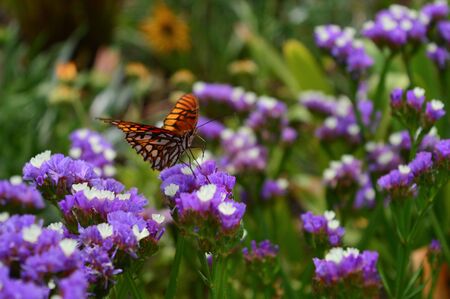
Biodiversity in British gardens is a cornerstone of the nation’s natural heritage. These green spaces, whether cottage plots, urban backyards, or sprawling estates, are home to a remarkable array of native flora and fauna. Each garden plays a vital role in supporting local wildlife, providing food, shelter, and breeding sites for countless species. The richness of life found within UK gardens—from bees and butterflies to hedgehogs and songbirds—reflects centuries of ecological interaction. Native plants are especially important, forming the foundation of this delicate web by offering sustenance to insects and animals uniquely adapted to Britain’s climate and soils. As our landscapes change and pressures on the environment increase, fostering biodiversity in our own gardens has become not just a pleasure, but a responsibility for anyone who values the continuity of British wildlife.
Roses in Traditional British Gardens
Roses have long held a cherished place in the history and culture of British gardens. Their enduring popularity is not only a testament to their beauty but also to their deep roots in UK traditions and landscapes. From grand estate gardens to quaint cottage plots, roses are woven into the fabric of British horticultural identity.
The significance of roses extends beyond mere aesthetics. The rose is England’s national flower, symbolising love, honour, and remembrance throughout centuries. This cultural reverence has ensured that roses appear in a diverse range of settings—from formal rose beds in stately homes such as Kew Gardens, to rambling climbers over rural stone walls and village greens.
The prevalence of roses across the UK landscape can be illustrated by their presence in different garden styles:
| Garden Style | Rose Variety Commonly Used | Wildlife Benefits |
|---|---|---|
| Cottage Garden | Old English Roses (e.g., Rosa gallica) | Attracts pollinators, provides shelter for insects |
| Formal Estate Garden | Hybrid Tea Roses, Floribundas | Nectar source for bees, habitat for small birds |
| Urban Community Garden | Shrub Roses, Miniature Roses | Pollen for urban bees, supports biodiversity corridors |
| Wildlife-Friendly Garden | Dog Rose (Rosa canina) | Berries (hips) for birds and small mammals |
This integration of roses into various garden traditions means that they play a consistent role not only in beautifying spaces but also in supporting the local ecosystem. Over generations, British gardeners have selected rose varieties both for their ornamental value and their ability to contribute positively to wildlife habitats. The result is a landscape where roses bridge cultural heritage and ecological function—a balance that continues to evolve with modern gardening practices.

3. Attracting Pollinators and Beneficial Insects
Roses play a pivotal role in attracting pollinators and beneficial insects to UK gardens, supporting the broader health of local ecosystems. Traditional and wild rose varieties, with their open, accessible blooms, are particularly favoured by native bees, including bumblebees and solitary bees. These insects are crucial for the pollination of not only roses themselves but also other flowering plants in the garden, contributing to fruit and seed production throughout the year.
Butterflies are another group drawn to roses, especially species such as the Small Tortoiseshell and Peacock, which rely on nectar-rich flowers for sustenance. By offering a continuous supply of nectar and pollen from late spring into early autumn, roses help maintain butterfly populations, which in turn support birds and other wildlife higher up the food chain.
Beyond pollinators, roses also attract a host of beneficial predatory insects, such as ladybirds and hoverflies. These insects feed on common garden pests like aphids, providing a natural form of pest control that reduces the need for chemical interventions. The presence of these helpful creatures is essential for maintaining a balanced ecosystem where both plants and animals can thrive.
Choosing single or semi-double rose varieties with exposed stamens maximises their value for wildlife. By incorporating these types into your planting scheme, you are directly supporting pollinator diversity—a cornerstone of resilient UK gardens.
4. Providing Habitat and Shelter
Roses play a significant role in shaping the physical structure of UK gardens, offering vital habitat and shelter to a variety of wildlife. Their dense, thorny branches form natural refuges that support the daily lives and seasonal cycles of many garden species. In particular, rose bushes create microhabitats that are essential for birds, small mammals, and beneficial insects.
For birds such as robins, blackbirds, and wrens, rose bushes provide both nesting sites and safe cover from predators. The intertwining stems and prickly thorns act as effective deterrents against cats and other threats, giving birds a secure place to rear their young. Similarly, small mammals like hedgehogs and voles find shelter at the base of mature rose bushes, using the thick foliage for protection against harsh weather and larger predators.
Examples of Wildlife Supported by Rose Bushes
| Wildlife Group | How Roses Help |
|---|---|
| Birds (e.g., robins, wrens) | Nesting sites within dense branches; safe cover from predators |
| Small Mammals (e.g., hedgehogs) | Shelter at ground level; protection from weather and predation |
| Beneficial Insects (e.g., ladybirds) | Overwintering sites within leaf litter or stems |
This structural support is especially important in British gardens where space can be limited but biodiversity is still highly valued. By planting roses alongside native shrubs and wildflowers, gardeners can create layered habitats that cater to a broader range of creatures throughout the year.
5. Roses and the Broader Wildlife Food Web
Roses are not only cherished for their beauty in UK gardens but also for their vital role in the wider wildlife food web. These iconic plants provide a wealth of resources for various creatures, beginning with their nectar-rich flowers that attract bees, hoverflies, and other pollinators crucial to maintaining garden health. As these insects visit rose blooms, they facilitate pollination and contribute to the productivity of neighbouring plants.
Beyond pollinators, roses serve as hosts for a range of herbivorous insects such as aphids and caterpillars. While some gardeners may view these visitors with concern, they are essential components of a balanced ecosystem. Predatory insects like ladybirds and lacewings feed on aphids, while birds—including blue tits and sparrows—rely on caterpillars and other larvae found on roses to feed their young during the breeding season.
In autumn, many traditional rose varieties produce rose hips—an important food source for birds such as blackbirds, thrushes, and finches when other fruits become scarce. These berries provide valuable energy during colder months, supporting avian populations through the winter.
The leaf litter and fallen petals from roses also enrich the soil, encouraging earthworm activity and fostering a healthy microhabitat for decomposers. This process recycles nutrients back into the garden ecosystem, benefiting all plant life and sustaining overall soil fertility.
By supporting this intricate network—from pollinators to predators, seed dispersers to decomposers—roses help maintain ecological balance in British gardens. Encouraging natural interactions around roses reduces dependence on chemical interventions and allows local wildlife to thrive alongside cherished horticultural traditions.
Sustainable Gardening Practices
To truly harness the ecological benefits of roses in UK gardens, it’s essential to adopt sustainable gardening practices. By making informed choices and caring for your roses thoughtfully, you can create a garden that supports wildlife and biodiversity while minimising environmental impact.
Choosing the Right Roses
Selecting rose varieties that are well-suited to the British climate is key. Opt for species and cultivars known for their disease resistance and adaptability, such as native wild roses or old-fashioned shrub roses. These types generally require fewer chemical interventions and provide richer resources for local pollinators and other wildlife.
Go for Single or Semi-Double Blooms
Single or semi-double flowered roses are particularly valuable for pollinators because their open structures make nectar and pollen easily accessible. Avoid heavily hybridised double blooms where possible, as these often offer little benefit to insects.
Caring for Roses Sustainably
Minimise the use of pesticides and fertilisers, which can harm beneficial insects and leach into local waterways. Instead, encourage natural pest control by attracting ladybirds, lacewings, and birds that feed on aphids. Mulch with organic matter such as composted bark or leaf mould to retain moisture, suppress weeds, and enrich the soil naturally.
Water Wisely
Water at the base of plants early in the morning or late in the evening to reduce evaporation and fungal problems. Collect rainwater in butts whenever possible—this not only conserves water but also provides a gentler alternative to chlorinated tap water for your plants.
Supporting Biodiversity Beyond Roses
Integrate your roses with other native plants, hedgerows, and wildflowers to create a diverse habitat structure. This layered planting approach increases shelter and food sources for a wider range of species. Leave some areas of your garden undisturbed—fallen leaves, old stems, and seedheads provide vital overwintering spots for insects and small mammals.
Avoid Peat-Based Products
When potting or mulching, choose peat-free composts to help protect fragile UK peatlands—important carbon sinks and habitats themselves.
The Bigger Picture
By taking these steps, you contribute not just to the health of your own patch but also to broader efforts in conserving Britain’s unique garden biodiversity. Thoughtful rose selection and care form a practical foundation for a thriving, sustainable ecosystem right outside your door.