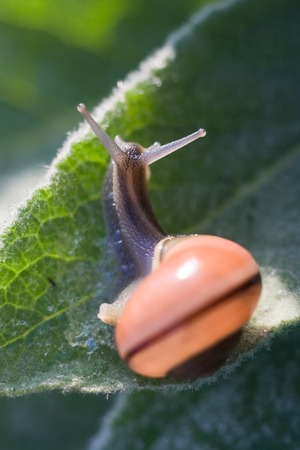
Introduction to Slugs and Snails in the British Garden
If you’ve ever wandered through a dewy British garden with your little one, you’ll know that slugs and snails are as much a part of our landscape as bluebells or hedgehogs. These slimy visitors often become the stars of curious childhood investigations, but for many gardeners across the UK, they are also notorious troublemakers. Whether you’re growing juicy strawberries in Kent or nurturing dahlias in Yorkshire, these munching molluscs can quickly undo your hard work overnight. Their appetite for tender leaves and young shoots is legendary, making them a common challenge for families hoping to raise lush borders or bountiful veg patches. Yet, while it’s tempting to reach for quick fixes, nature-friendly control methods are ever more important in our gardens today. By choosing approaches that protect both plants and the wider ecosystem—like beer traps and time-honoured British techniques—we not only safeguard our blooms but also inspire our children to care for the living world around them.
Understanding the Role of Slugs and Snails
Before we reach for our trusty beer traps or any time-honoured British methods, it’s wise to pause and consider the part slugs and snails play in our gardens. These creatures are often cast as villains, but in truth, they are essential members of the garden ecosystem. Slugs and snails help to break down decaying plant matter, returning vital nutrients to the soil and supporting the health of our garden’s micro-world. They also serve as a key food source for a variety of beloved British wildlife, including hedgehogs, birds, frogs, and beetles.
While it’s tempting to wish for a slug-free garden—especially after discovering the nibbled remains of your prized hostas or lettuces—complete eradication isn’t practical or desirable. The goal should be balance, not elimination. By understanding their role, we can approach control measures with a sense of stewardship rather than warfare. Here’s a simple table to show the pros and cons of having slugs and snails in your garden:
| Benefits | Drawbacks |
|---|---|
| Decompose organic matter, enriching soil | Feed on young plants and seedlings |
| Provide food for birds, hedgehogs, frogs, and insects | Leave slime trails on paths and patios |
| Support overall garden biodiversity | May transmit plant diseases |
By recognising their role, parents can encourage children to observe slugs and snails with curiosity rather than fear or frustration. Together, we can guide our families towards gentle, sustainable gardening practices that respect all members of our garden community—even those with slimy coats and tiny tentacles.

3. Setting Up Beer Traps: A Time-Honoured British Solution
One of the most cherished, tried-and-tested ways to keep slugs and snails at bay in British gardens is the humble beer trap. Not only is this method effective and affordable, but it’s also a fun, hands-on activity that invites the whole family to get involved—children included! Let’s walk through each step together so you can transform your garden into a slug-safe haven while creating lasting memories with your little ones.
Step 1: Gather Your Supplies
Begin by collecting some small containers such as empty yoghurt pots or jam jars—anything you have around the house will do. Make sure to have some beer on hand (any cheap lager or ale works perfectly), a trowel for digging, and gloves for little helpers.
Step 2: Choose the Perfect Spot
Head out together and scout locations where you’ve spotted slug and snail damage—around lettuces, hostas, or strawberries are classic trouble spots. Encourage children to be ‘garden detectives’ as they search for slime trails and nibbled leaves.
Step 3: Bury the Containers
Using your trowel, dig a shallow hole so that the rim of the container sits just above soil level. This makes it easy for slugs and snails to crawl in but helps prevent beetles and other beneficial insects from falling inside. Invite children to help with the digging—they’ll love getting their hands dirty!
Step 4: Add the Beer
Carefully pour beer into each container until it’s about halfway full. Explain to curious youngsters that slugs are attracted to the yeasty scent of beer, which lures them into the trap. This is a great moment to chat about how we can use natural methods instead of chemicals in our gardens.
Step 5: Check and Clear Regularly
Make checking the traps part of your daily garden routine—perhaps during an evening stroll after tea or as a weekend morning adventure. Children can assist by counting how many slugs have been caught (a bit icky, but always fascinating!), and adults should safely dispose of the contents away from edible plants.
Family-Friendly Tips:
- Let children decorate the traps with waterproof paint or stickers for extra fun.
- Keep a simple “slug diary” where kids can note how many were caught each day, turning pest control into a learning experience.
- Pair this activity with a story about garden creatures to spark curiosity about nature’s balance.
This simple British tradition not only protects your plants but also fosters teamwork and wonder in young gardeners—a lovely reminder that caring for our patch of earth is something best done together.
4. Other Traditional British Methods for Slug and Snail Control
Besides the ever-popular beer traps, British gardeners have long relied on a variety of clever and time-tested techniques to keep slugs and snails at bay. These methods are often gentle on the environment and can easily be woven into your family’s gardening routine, turning pest control into a learning adventure for children and adults alike.
Copper Tape: The Invisible Barrier
Copper tape is a staple in many British gardens. When slugs and snails attempt to cross copper, they receive an unpleasant tingling sensation, encouraging them to turn back. This method is especially useful for protecting raised beds, plant pots, or even precious seedlings. To get children involved, let them help measure and stick the shiny copper tape around pots or the edges of beds—an activity that can spark conversations about how plants and materials interact in nature.
Egg Shells: Recycling with a Purpose
Another much-loved approach is scattering crushed egg shells around vulnerable plants. The sharp edges deter soft-bodied pests, providing a simple yet effective barrier. Collecting and preparing egg shells as a family not only reduces kitchen waste but also introduces youngsters to the concept of recycling in the garden.
Comparing Classic British Methods
| Method | How It Works | Best For | Family Involvement |
|---|---|---|---|
| Copper Tape | Creates an electric charge that repels slugs and snails | Pots, raised beds, greenhouse staging | Measuring and sticking tape with children |
| Egg Shells | Sharp edges deter pests from crawling over soil surface | Flower beds, vegetable plots | Collecting, cleaning, and scattering shells together |
| Hand-picking | Physically removing pests from plants in the early morning or evening | Larger infestations, delicate plants | Pest-spotting games for kids (with gloves) |
Hand-picking: The Traditional Family Challenge
Perhaps the oldest technique of all is simply hand-picking slugs and snails from your garden. This method works best during damp evenings or after rain, when these creatures are most active. Make it a family challenge—see who can find the most slugs! Equip little ones with gloves and a small bucket, turning pest patrol into an engaging game that encourages observation skills and teamwork.
Incorporating These Methods Into Your Garden Routine
The secret to success with traditional British methods is consistency and creativity. Rotate techniques throughout the growing season to keep pests guessing, and use each opportunity as a chance to connect with your children about nature’s cycles. By blending practical action with playful learning, these time-honoured approaches become more than just pest control—they become cherished family traditions rooted in the wisdom of British gardening.
5. Encouraging Natural Predators in Your Garden
One of the most delightful and eco-friendly ways to manage slugs and snails in your British garden is by inviting their natural predators to join you as guardians of your green space. Just like gathering your family for a team project, working with nature’s helpers can transform pest control into a nurturing adventure.
Welcoming Birds: Feathered Friends on Patrol
British gardens are often alive with the cheerful songs of robins, thrushes, and blackbirds—many of whom enjoy feasting on slugs and snails. To encourage these feathered allies, provide bird feeders stocked with seeds during colder months and install bird baths for them to drink and bathe. Nesting boxes tucked safely among shrubs offer shelter, turning your garden into a year-round haven for birds who will happily help keep slimy pests at bay.
Hedgehogs: Britain’s Beloved Bug Munchers
If you’re lucky enough to spot a hedgehog snuffling through your borders at dusk, you’ve found one of the best slug and snail deterrents around. Make your garden hedgehog-friendly by creating log piles, leaving gaps under fences for easy access, and avoiding slug pellets that could harm these prickly pals. A shallow dish of water is always welcome, especially in dry spells.
Frogs and Toads: Nature’s Little Helpers
A small wildlife pond or damp corner can attract frogs and toads, who relish a meal of slugs and snails. You don’t need anything grand—just a washing-up bowl sunk into the ground can do the trick! Plant native water-loving plants nearby and avoid using chemicals so your amphibian friends feel safe setting up home.
Working Together: A Family Affair
Encouraging natural predators isn’t just about pest control—it’s an opportunity for family discovery. Children love spotting birds or searching for hedgehog tracks on dewy mornings. By caring for these creatures, you’ll learn together how every living thing plays a part in keeping your British garden healthy and balanced.
A Garden in Harmony
Combining beer traps, traditional methods, and the help of birds, hedgehogs, and frogs creates a thriving ecosystem where everyone has a role—including you and your family. In true British style, let’s invite nature in, pop the kettle on, and watch our gardens flourish side by side with our wild neighbours.
6. Involving the Family: Teaching Children About Nature’s Balance
Sharing the garden with your children is a wonderful opportunity to nurture their curiosity about nature while gently introducing the idea of balance in our ecosystem. Traditional British methods for controlling slugs and snails, such as using beer traps, can become delightful learning experiences for young minds.
Exploring Pest Management Together
Invite your children to join you in setting up beer traps or creating natural barriers around your plants. Explain how slugs and snails are part of the garden’s web of life, but that too many can be unkind to our precious lettuce and strawberries. Through hands-on activities, such as checking the traps each morning or making copper tape borders together, you’ll show them that gardeners act as gentle caretakers rather than conquerors.
Fun Family Activities
Try a garden scavenger hunt—see who can spot the most snail shells or slug trails, then talk about where these creatures like to hide. Create a simple logbook together to record which methods seem most effective, turning pest management into a family science project. You might even encourage your child to design their own creative slug deterrents using everyday items from around the home.
Cultivating Respect for All Creatures
As you work side by side, emphasise that every creature has its place, and that traditional remedies like beer traps are chosen because they have less impact on other wildlife. This fosters empathy and respect for living things—a core value in British gardening culture. Through these shared moments, children learn not just about protecting plants, but about harmony with nature itself.
7. Reflecting on Lessons from the Garden
As we tidy away our empty beer traps and rinse our hands after an afternoon spent in the garden, its worth pausing to reflect on what weve gained beyond just fewer slugs and snails. Working together, side by side, using time-honoured British methods like scattering crushed eggshells or laying out copper tape, we’ve not only protected our precious plants but also nurtured something even more valuable—our patience, our powers of observation, and our sense of teamwork.
Patience, for instance, is a virtue every gardener quickly learns. Slugs and snails dont disappear overnight; it takes time for beer traps to work their magic and for natures balance to restore itself. As a family, waiting and watching encourages us to slow down, noticing tiny changes day by day—the glistening trails fading, the tender shoots growing stronger. Its a gentle reminder that nature moves at her own pace and rewards those who are willing to wait.
Observation is another gift from these quiet battles amongst the cabbages and strawberries. Children become little detectives, spotting where pests like to hide or which leaves have been nibbled overnight. It’s a chance to talk about why slugs love damp corners or how snails curl up in their shells when disturbed. Through simple British traditions—like checking under upturned pots or scattering sand—we all hone our skills of noticing and understanding the world around us.
Most importantly, managing slugs and snails brings us together as a team. From mixing up a fresh batch of beer for traps to deciding which plants need extra protection, every task is lighter and more joyful when shared. We celebrate small victories—a row of lettuces left untouched or a single snail rehomed at the compost heap—and learn from our setbacks too. The garden becomes a living classroom for cooperation, resilience, and good humour, even when the British weather throws us a curveball or two.
So as the evening draws in and we gather indoors, let’s carry these lessons with us. Whether it’s patience as we wait for seeds to sprout, keen observation as we notice the first signs of spring, or the teamwork needed for any family project, our time spent controlling slugs and snails has planted seeds of growth far beyond the vegetable patch. After all, gardening is never just about keeping pests at bay—it’s about nurturing ourselves and each other along the way.