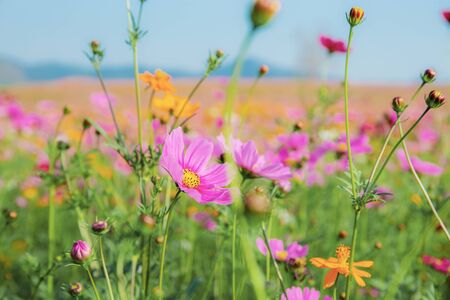
Introduction to Wildflower Meadows in the UK
Wildflower meadows have long been an intrinsic part of the British landscape, reflecting both its natural heritage and agricultural history. Traditionally, these meadows were created through centuries-old haymaking and grazing practices, which allowed a diverse mix of native wildflowers and grasses to flourish. At their peak in the early twentieth century, wildflower meadows covered vast expanses of rural Britain, stretching from lowland pastures in England to upland fields in Scotland and Wales. Their distribution was closely linked to regional soil types, climate, and farming methods, resulting in a patchwork of unique habitats across the country. Characterised by vibrant seasonal displays of species such as oxeye daisy, yellow rattle, and red clover, these meadows support an extraordinary range of wildlife. Today, however, the majority of wildflower meadows have been lost due to agricultural intensification and land use changes. Despite this decline, the remaining meadows continue to represent vital reservoirs of biodiversity and cultural value within the British countryside.
Ecological Importance of Wildflower Meadows
Wildflower meadows are vital ecological habitats that underpin the rich biodiversity found across the British landscape. These meadows provide a complex mosaic of resources for both flora and fauna, supporting a wide array of native plant species as well as a diverse range of wildlife. The structural diversity present within these meadows, from tall grasses to low-lying wildflowers, creates numerous microhabitats essential for different organisms.
Habitats for Flora and Fauna
Wildflower meadows host an impressive variety of plant species, many of which are native and have adapted to local conditions over centuries. This botanical diversity fosters habitats for a broad spectrum of animals, including insects, birds, and small mammals. The interaction between plants and animals in these meadows is a fundamental aspect of their ecological value.
Focus on Pollinators
One of the most significant contributions of wildflower meadows is their role in supporting pollinators such as bees, butterflies, hoverflies, and moths. These insects rely on a continuous supply of nectar and pollen throughout the growing season, which is provided by the sequential flowering of various meadow species. The loss of meadows has been directly linked to declines in pollinator populations across the UK, highlighting their importance in conservation efforts.
| Pollinator Type | Main Meadow Species Utilised | Ecological Role |
|---|---|---|
| Bees (bumblebees & solitary bees) | Knapweed, Red clover, Bird’s-foot trefoil | Primary pollinators for many wildflowers; support crop production |
| Butterflies | Oxeye daisy, Meadow buttercup, Scabious | Indicators of healthy ecosystems; important prey for birds |
| Hoverflies & Moths | Yarrow, Vetches, Ragged robin | Pest control agents; pollinators for nocturnal and diurnal plants |
Support for Native Species
The preservation of wildflower meadows directly supports native British species that are increasingly threatened by habitat loss. Many birds such as skylarks and yellowhammers depend on these areas for nesting and feeding. Small mammals like voles and shrews find shelter within the dense vegetation. Furthermore, native plants benefit from reduced competition with invasive species when meadow management practices prioritise traditional methods such as late hay cutting and grazing.
Summary of Ecological Benefits
- Biodiversity Hotspots: Support hundreds of plant and animal species per hectare.
- Ecosystem Services: Enhance pollination, pest regulation, soil health, and water filtration.
- Cultural Heritage: Preserve traditional British landscapes and land use practices.
In summary, wildflower meadows are indispensable to British biodiversity conservation due to the intricate web of life they sustain. Their continued protection and restoration are crucial not only for wildlife but also for maintaining ecosystem stability across rural Britain.

3. Biodiversity Benefits and Conservation Value
Wildflower meadows play a pivotal role in enhancing biodiversity across the British countryside. Their contribution to plant diversity is particularly significant, as these habitats support a remarkable array of native species that are often absent from improved grasslands or arable fields. This botanical richness underpins complex ecological networks, providing essential resources such as nectar, pollen, and seeds for a wide range of insects, birds, and small mammals.
Plant Diversity: A Foundation for Ecosystems
Traditional wildflower meadows in the UK typically contain up to 40 different species per square metre. This diversity creates resilient plant communities able to withstand environmental changes and disease outbreaks. The presence of rare and declining species—such as the green-winged orchid or yellow rattle—further highlights their conservation value. By maintaining diverse plant assemblages, meadows help preserve the genetic variation necessary for adaptation in the face of climate change.
Wildlife Corridors: Linking Fragmented Habitats
As modern landscapes become increasingly fragmented due to urbanisation and intensive agriculture, wildflower meadows act as crucial wildlife corridors. These linear or patchwork habitats facilitate the movement of pollinators like bees and butterflies, as well as small mammals and birds, between isolated patches of suitable environment. The connectivity provided by meadows enables gene flow, supports breeding populations, and mitigates the effects of habitat fragmentation on native fauna.
Genetic Variation: Safeguarding Future Adaptability
The genetic diversity found within meadow plant populations is vital for long-term ecological resilience. Wildflower meadows conserve locally adapted genotypes, which may possess unique traits suited to specific microclimates or soil conditions within the British Isles. By supporting a broad genetic pool, these habitats enhance the ability of both flora and associated fauna to respond dynamically to pests, diseases, and shifting weather patterns.
Conclusion: Strategic Importance in Conservation Policy
The multifaceted benefits of wildflower meadows underscore their strategic importance in British biodiversity conservation efforts. Their role in sustaining plant diversity, providing wildlife corridors, and conserving genetic variation makes them indispensable components of landscape-scale conservation strategies aimed at reversing declines in native species and restoring ecological integrity across rural Britain.
4. Contemporary Threats and Challenges
Wildflower meadows, once a common feature of the British landscape, now face significant threats that undermine their crucial role in national biodiversity conservation. The combined impacts of agricultural intensification, urban development, and climate change have accelerated meadow loss and degraded remaining habitats, presenting complex challenges for conservation efforts.
Agricultural Intensification
Since the mid-20th century, changes in agricultural practices have been one of the primary drivers of wildflower meadow decline. Traditional low-intensity grazing and hay-cutting, which maintained species-rich grasslands, have largely been replaced by intensive farming methods. The increased use of fertilisers, herbicides, and pesticides, alongside frequent reseeding with monocultures, has led to a dramatic reduction in floristic diversity and habitat structure.
Impact Comparison Table
| Factor | Traditional Management | Intensive Agriculture |
|---|---|---|
| Biodiversity | High (species-rich) | Low (species-poor) |
| Chemical Inputs | Minimal | High |
| Soil Health | Maintained naturally | Often degraded |
Urban Development
The expansion of towns and cities has resulted in substantial habitat fragmentation and direct meadow loss. Infrastructure projects such as roads and housing developments frequently encroach upon or completely replace existing meadows. Furthermore, urban sprawl disrupts ecological connectivity, isolating wildlife populations and impeding species migration between remnant patches.
Climate Change
Shifting climatic conditions present additional risks for wildflower meadows. Changes in temperature and precipitation patterns can alter flowering times, affect pollinator populations, and facilitate the spread of invasive species that outcompete native flora. Extreme weather events such as droughts or floods further stress these ecosystems, reducing their resilience to other anthropogenic pressures.
Key Challenges at a Glance
- Declining traditional land management practices
- Increased use of agrochemicals leading to soil and water pollution
- Loss of habitat due to urbanisation and infrastructure expansion
- Disruption of ecological networks across landscapes
- Greater vulnerability to climate-induced changes and invasive species
Together, these contemporary threats necessitate coordinated conservation strategies tailored to the unique context of British wildflower meadows. Addressing these issues is vital for safeguarding both the rich biodiversity they support and their wider ecosystem functions.
5. Restoration and Management Practices
Effective restoration and management of wildflower meadows are central to their role in British biodiversity conservation. Both traditional and modern approaches are employed to establish, restore, and maintain these valuable habitats across the UK.
Traditional Approaches
Historically, wildflower meadows were managed through low-intensity farming methods such as hay cutting and aftermath grazing. This involved cutting the meadow for hay in mid to late summer, followed by grazing livestock on the regrowth. Such practices prevented nutrient build-up, controlled aggressive grasses, and allowed a diverse range of native wildflowers to thrive. Local seed sources were often used, maintaining regional distinctiveness and supporting locally adapted species.
Modern Techniques
Contemporary restoration projects frequently incorporate scientific advances while drawing inspiration from traditional practices. Green hay strewing, where freshly cut hay from species-rich sites is spread over target areas, helps reintroduce a wide variety of native seeds. Direct sowing of wildflower seed mixes tailored to local conditions is also common. In addition, mechanical scarification or soil inversion may be used to reduce soil fertility and suppress competitive vegetation, creating suitable conditions for wildflowers to establish.
Ongoing Meadow Management
Long-term success depends on consistent management. Annual mowing or grazing regimes are essential to prevent scrub encroachment and maintain open grassland structure. Removing cut material reduces soil nutrients, discouraging dominance by vigorous grasses and promoting floral diversity. Monitoring and adaptive management ensure that interventions respond effectively to changing site conditions and ecological feedback.
Integrating Community and Policy Support
Many meadow restoration initiatives benefit from collaboration between landowners, local communities, conservation organisations, and government bodies. Agri-environment schemes such as Countryside Stewardship provide financial incentives for meadow creation and maintenance, ensuring that best-practice techniques are widely adopted across rural Britain.
6. Community Engagement and Policy Initiatives
Effective conservation of wildflower meadows in the UK relies not only on ecological knowledge but also on robust community engagement and supportive policy frameworks. Local conservation groups play a pivotal role in safeguarding these habitats. Organisations such as The Wildlife Trusts, Plantlife, and local volunteer groups are instrumental in managing meadow sites, organising seed collection, controlling invasive species, and monitoring biodiversity. Their grassroots efforts often foster a sense of stewardship among residents and provide practical opportunities for people to connect with their local environment.
Public Awareness Campaigns
Raising public awareness is essential for garnering widespread support for meadow conservation. Educational programmes in schools, guided walks, and citizen science initiatives help demystify the importance of wildflower meadows. National campaigns like Plantlife’s “No Mow May” encourage households and communities to let lawns grow naturally during peak flowering months, directly contributing to pollinator health and plant diversity. Such campaigns harness social media and local events to reach broader audiences, cultivating a cultural appreciation for meadows as vital components of the British landscape.
Governmental Policies Supporting Conservation
Policy support is crucial for sustaining long-term meadow restoration efforts. The UK government’s agri-environment schemes, such as Countryside Stewardship and Environmental Land Management (ELM), offer financial incentives to farmers and landowners who protect or restore wildflower-rich grasslands. Additionally, planning regulations increasingly recognise the value of species-rich meadows, mandating habitat creation or enhancement in new developments. Collaborations between governmental bodies, non-profit organisations, and academic researchers ensure that policies are informed by scientific evidence and responsive to local ecological needs.
Towards Integrated Meadow Conservation
The intersection of community action, public education, and progressive policy forms a comprehensive approach to wildflower meadow conservation in Britain. By empowering individuals and aligning national strategies with local priorities, it becomes possible to safeguard these biodiverse habitats for future generations while reinforcing their place within the nation’s cultural heritage.
7. Future Prospects for Wildflower Meadows in British Conservation
The future of wildflower meadows in Britain hinges on both innovative conservation strategies and the active engagement of the public. While traditional management techniques such as hay cutting and low-intensity grazing have proven effective, there is growing recognition that new approaches must be adopted to address contemporary challenges such as climate change, urban development, and agricultural intensification.
Innovative Strategies for Meadow Preservation
Emerging technologies and landscape-scale planning offer promising opportunities for meadow restoration and resilience. For instance, the use of seed banks and genetic mapping allows conservationists to preserve rare species and reintroduce native flora tailored to local conditions. Additionally, integrating wildflower meadows into urban green infrastructure—such as roadside verges, parks, and community spaces—can expand their reach beyond rural landscapes and enhance ecological connectivity.
Policy Integration and Incentives
The alignment of government policy with biodiversity goals is essential. Agri-environment schemes, including those funded through the Environmental Land Management Scheme (ELMS), provide incentives for landowners to maintain or restore meadows. However, continued advocacy is needed to ensure these policies prioritise long-term ecological outcomes over short-term gains.
The Role of Public Participation
Crucially, public involvement remains a cornerstone of successful wildflower meadow conservation. Community-led projects, citizen science initiatives, and educational outreach programmes empower individuals to contribute to meadow stewardship. By fostering a sense of collective responsibility and appreciation for Britains natural heritage, these efforts can help secure the legacy of wildflower meadows for generations to come.
In summary, the prospects for wildflower meadows in British biodiversity conservation are optimistic if innovation, supportive policy frameworks, and widespread public participation are effectively harnessed. Sustained commitment at both local and national levels will be key to ensuring that these vibrant habitats continue to enrich Britains landscapes well into the future.