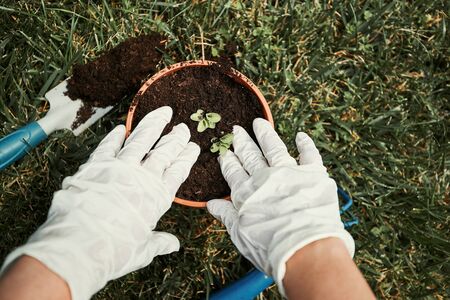
Introduction: The Prevalence of Unexplained Plant Illnesses in the UK
Across the United Kingdom, both amateur gardeners and professional farmers frequently encounter plant health issues that defy straightforward explanations. Despite advances in horticultural techniques and an increased awareness of best practices, many plants continue to exhibit symptoms such as stunted growth, leaf discolouration, wilting, and unexpected dieback. These unexplained ailments pose a significant challenge, especially given the UK’s highly variable climate, which ranges from damp and cool conditions in Scotland to milder, wetter environments in the South West. Fluctuations in temperature, persistent rainfall, and unpredictable frosts all contribute to a complex web of environmental stressors that can mask or exacerbate underlying plant diseases. Furthermore, British soils often vary widely in pH and drainage capacity, influencing the health and resilience of native and cultivated species alike. As a result, local growers must constantly adapt their approaches while remaining vigilant for emerging threats—many of which are not immediately identifiable through visual inspection alone. This context underscores the crucial need for expert intervention when faced with mysterious plant illnesses, setting the stage for an exploration into the role that professional diagnosis plays in safeguarding the nation’s gardens and agricultural landscapes.
2. The Limitations of DIY Diagnosis
While the British gardening tradition prides itself on resourcefulness and a hands-on approach, there are notable challenges associated with self-diagnosing plant health issues. Many enthusiasts rely on inherited wisdom or readily available online advice, but these methods can often be misleading or insufficient when dealing with complex or unexplained plant illnesses.
Analysis of Common Pitfalls in DIY Diagnosis
Self-diagnosis typically involves visual inspection and comparison to common symptoms described in gardening books or forums. However, many plant diseases and disorders present similar visible symptoms, making it difficult to distinguish between nutrient deficiencies, pest infestations, or viral infections without professional expertise. For example, yellowing leaves could be the result of overwatering, poor soil nutrition, or a fungal disease—each requiring a different solution.
Comparison Table: DIY Remedies vs. Professional Diagnosis
| Aspect | DIY Remedies | Professional Diagnosis |
|---|---|---|
| Accuracy of Identification | Often based on guesswork or anecdotal evidence; high risk of misdiagnosis | Uses scientific methods and laboratory testing; higher accuracy |
| Time to Solution | Potential delays due to trial-and-error approaches | Direct path to targeted treatment once issue is identified |
| Cultural Practices Referenced | Relies heavily on traditional British gardening lore (e.g., using tea bags or Epsom salts) | Incorporates modern research and up-to-date best practices |
| Outcome Consistency | Results can be unpredictable and may worsen the problem | Treatment is tailored to specific diagnosis; more reliable outcomes |
The Impact of Misconceptions in British Gardening Culture
British gardeners often hold steadfast beliefs in home remedies and time-honoured techniques such as adding crushed eggshells for calcium or using beer traps for slugs. While some traditional methods have merit, others lack scientific backing and may even exacerbate plant health problems. A prevalent misconception is that all plant ailments are caused by pests or poor soil when, in reality, underlying pathogens or environmental stressors might be at play.
Summary
The limitations of DIY diagnosis stem from reliance on visual cues, traditional remedies, and popular misconceptions within British gardening culture. As a result, persistent or mysterious plant illnesses often require the intervention of professional diagnostic services to ensure accurate identification and effective treatment.

3. The Value of Professional Plant Diagnostics
Expertise of Qualified UK Professionals
The field of plant diagnostics in the UK is underpinned by a wealth of professional expertise, often developed through rigorous academic training and hands-on experience. Qualified plant pathologists, horticultural consultants, and laboratory technicians possess a deep understanding of local flora, environmental conditions, and the complex interplay between plant hosts and pathogens. This expertise enables them to distinguish between common symptoms and subtle signs of emerging threats, ensuring that diagnoses are both accurate and contextually relevant to British landscapes and ecosystems.
Methodologies Employed in Plant Disease Identification
Professional diagnosticians utilise a structured approach when tackling unexplained plant illnesses. Initial site assessments involve careful observation, detailed symptom recording, and sampling according to established protocols. These samples are then subjected to laboratory analyses, which may include microscopic examination, culturing techniques, or molecular assays such as PCR (Polymerase Chain Reaction) testing. By adhering to these evidence-based methodologies, professionals can systematically rule out abiotic factors—such as nutrient deficiencies or environmental stress—before confirming a biotic cause like bacterial, fungal, or viral infections.
Technological Tools Enhancing Diagnostic Accuracy
The advancement of technology has significantly enhanced the capabilities of UK plant health professionals. Modern diagnostic laboratories are equipped with state-of-the-art instruments including DNA sequencers, digital imaging systems, and serological test kits. These tools allow for rapid and precise identification of pathogens at the genetic level, which is particularly crucial for detecting novel diseases or tracking invasive species. In addition, remote sensing technologies and mobile diagnostic apps now provide field operatives with real-time data collection and analysis capabilities, further improving response times and supporting informed management decisions.
The Importance of Local Context
It is essential to recognise that effective diagnosis must be grounded in an understanding of the unique characteristics of British gardens, parks, and agricultural environments. Professionals trained in the UK are adept at interpreting test results within this local context, taking into account regional climate patterns, soil types, and prevalent plant varieties. This tailored approach ensures that recommendations for disease management are practical, sustainable, and compliant with UK regulations such as those set by DEFRA (Department for Environment, Food & Rural Affairs).
Conclusion: Trusting Professional Insight
The combined strength of specialist knowledge, robust methodologies, and advanced technology makes professional plant diagnostics invaluable in addressing unexplained plant illnesses across the UK. Relying on qualified experts not only increases the likelihood of accurate identification but also supports timely interventions that protect both individual gardens and the broader landscape from preventable losses.
4. Case Studies: Success Stories from Across Britain
The application of professional diagnosis in British horticulture has yielded remarkable results, particularly in cases where traditional methods have failed to pinpoint the underlying cause of plant health issues. By leveraging expert knowledge and advanced diagnostic tools, persistent or mysterious problems have been resolved across a variety of settings, from private gardens to commercial farms and public parks.
Noteworthy Examples from British Gardens
In Surrey, a historic walled garden suffered from widespread dieback among its heritage apple trees. Local gardeners struggled for years with ineffective treatments until a plant health specialist conducted comprehensive soil and tissue analyses. The diagnosis revealed a rare fungal pathogen previously undocumented in the region. Targeted fungicide application and improved drainage strategies restored the orchard’s vitality within two seasons.
Transformations in Public Parks
Liverpool’s Sefton Park faced declining rose beds despite routine care. Professional consultants utilised DNA-based pest identification, detecting an infestation of microscopic nematodes. A tailored integrated pest management plan led to full recovery and reduced pesticide usage, earning commendation from city residents and horticultural societies alike.
Farm Success: Wheat Yields in East Anglia
A large-scale arable farm in Cambridgeshire reported unexplained yellowing and stunted growth in wheat crops. Agronomists employed laboratory diagnostics and field surveys, identifying manganese deficiency exacerbated by soil pH imbalance. Corrective liming and micronutrient supplementation reversed the symptoms, resulting in record-breaking yields the following harvest.
Summary of Success Stories
| Location | Issue | Professional Diagnosis | Outcome |
|---|---|---|---|
| Surrey Garden | Apple tree dieback | Rare fungal pathogen identified | Orchard revitalised |
| Liverpool Park | Declining roses | Nematode infestation detected via DNA analysis | Beds recovered; reduced chemical use |
| East Anglia Farm | Poor wheat growth/yellowing leaves | Manganese deficiency & pH imbalance diagnosed | Yield increased after targeted intervention |
These real-world examples highlight how professional diagnosis bridges gaps left by conventional approaches, ensuring healthier plants and more sustainable landscapes across Britain.
5. Integrating Professional Advice with Local Knowledge
One of the most effective strategies for addressing unexplained plant illnesses in the UK lies in harmonising professional diagnosis with local knowledge. Professional horticulturists and plant pathologists bring a scientific, evidence-based approach, utilising advanced diagnostic tools and methodologies to identify pathogens or environmental stressors. However, their expertise is greatly enhanced when complemented by the rich tradition of British gardening wisdom found within local communities.
The Value of Community Engagement
Across Britain, generations of gardeners have accumulated an intimate understanding of local soils, microclimates, and plant behaviour. This practical insight can often provide crucial context to professionals, helping to pinpoint subtle factors that might elude laboratory analysis alone. For example, community members may recognise recurring symptoms linked to historic land use or regional weather patterns.
Creating Synergy Through Collaboration
The true strength emerges when these two spheres collaborate. Engaging local gardening clubs, allotment societies, and even informal networks can facilitate quicker identification of unusual outbreaks and foster a sense of shared responsibility for plant health. Professional interventions then become more targeted and relevant, as experts are informed by anecdotal evidence and traditional practices passed down through families and communities.
Preserving Heritage While Embracing Innovation
This integrative approach not only accelerates problem-solving but also safeguards the UKs horticultural heritage. By respecting traditional methods—such as companion planting or organic remedies—while applying modern diagnostics, communities benefit from the best of both worlds. In practice, this means workshops, public talks, and collaborative projects between scientists and local groups are essential in building resilient gardens across the country.
Ultimately, tackling unexplained plant illnesses is most successful when formal expertise does not operate in isolation but works hand-in-hand with the collective wisdom embedded in British gardening culture.
6. Conclusion: Fostering Healthy Plants Nationwide
In summary, the pivotal role of professional diagnosis in addressing unexplained plant illnesses extends far beyond the immediate restoration of individual gardens or agricultural plots. By leveraging scientific expertise and advanced diagnostic tools, professionals help to identify emerging threats quickly, contain outbreaks efficiently, and recommend targeted interventions that reduce unnecessary chemical use. This approach not only safeguards commercial and public green spaces but also strengthens the resilience of native flora, contributing to the preservation of the UK’s rich biodiversity. Furthermore, a culture of professional plant health management fosters greater public awareness and encourages sustainable practices among gardeners, farmers, and land managers alike. As a result, the widespread adoption of professional diagnosis supports a healthier, more robust ecosystem nationwide—laying a solid foundation for sustainable food production, resilient landscapes, and thriving wildlife habitats for generations to come.