Introduction to Urbanisation and Garden Birds
Urbanisation is rapidly transforming the face of the United Kingdom, with cities expanding and green spaces gradually giving way to new developments. This shift not only changes the look and feel of our neighbourhoods but also impacts the wildlife that once thrived there. Among the most affected are garden birds, such as robins, blackbirds, and blue tits, which have long been a familiar sight in British gardens. As urban growth continues, these birds are finding it increasingly challenging to survive due to loss of habitat, reduced food sources, and increased human activity. This article explores how urbanisation is reshaping UK landscapes and what this means for our cherished garden bird species.
2. Effects of Urban Environments on Bird Populations
Urban areas across the UK are expanding rapidly, and this growth brings a range of challenges for garden birds. Birds living in towns and cities must adapt to significant changes in their habitats, which often leads to population declines and shifts in species diversity. The key issues faced by urban bird populations include habitat loss, increased pollution, and alterations in food availability.
Habitat Loss
As urban development progresses, natural green spaces are replaced with buildings, roads, and paved surfaces. This reduces the amount of suitable nesting sites and shelter for birds. Smaller gardens, fewer mature trees, and less hedgerow cover mean that many species struggle to find safe places to breed and rest.
Main Habitat Challenges for Birds in Urban Areas
| Challenge | Description |
|---|---|
| Loss of Green Spaces | Parks and gardens are reduced or fragmented by construction. |
| Removal of Trees & Hedges | Essential nesting and feeding sites are lost due to landscaping or development. |
Pollution
Cities generate higher levels of air and noise pollution. Airborne chemicals from traffic can harm birds’ health directly and reduce insect populations, an important food source. Noise pollution disrupts birds’ communication, making it harder for them to attract mates or warn each other about danger.
Changes in Food Supply
The shift from natural habitats to managed urban landscapes also affects what birds eat. Native plants are often replaced by non-native species or artificial lawns that do not support local insects. Additionally, the use of pesticides further decreases the availability of invertebrates, leaving many small birds with limited food options.
Summary Table: Urban Challenges Impacting Garden Birds
| Factor | Impact on Birds |
|---|---|
| Habitat Loss | Fewer places to nest and shelter; increased competition for resources. |
| Pollution | Poorer health; disrupted breeding and feeding behaviours. |
| Food Shortages | Lack of insects; reduced plant diversity leading to poor nutrition. |
The combined effect of these challenges is a decline in both the number and variety of birds found in our urban gardens. However, with thoughtful planning, homeowners can help create more wildlife-friendly spaces that support local birdlife even amidst the pressures of urbanisation.
3. Notable UK Garden Birds and Their Adaptations
British gardens are home to a wonderful variety of birds, many of which have become familiar sights across urban and suburban areas. Among the most recognisable are the robin, blackbird, blue tit, and house sparrow. Each species faces unique challenges as towns and cities expand, but some are showing impressive resilience and flexibility in adapting to new environments.
The Resilient Urban Dwellers
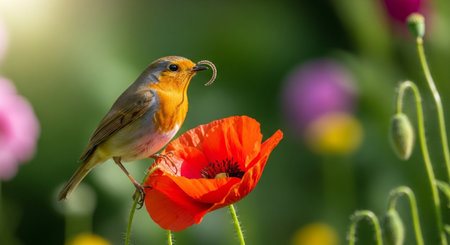
Certain garden birds have managed to thrive despite increasing urbanisation. The robin, for instance, is known for its boldness and ability to nest in unusual spots such as sheds or flower pots, making it a regular companion even in busy neighbourhoods. Blue tits are also adapting well; they take advantage of bird feeders and nest boxes provided by homeowners, often raising multiple broods each season thanks to a steady food supply.
Species Facing Decline
However, not all garden birds are faring so well. House sparrows, once abundant in almost every street, have suffered significant population declines over recent decades. Loss of green space, fewer nesting sites, and reduced insect numbers have all contributed to this worrying trend. Similarly, starlings and song thrushes are becoming less common in urban settings, highlighting the uneven impact that city life can have on different species.
The Importance of Observing Changes
Understanding which birds are adapting—and which are struggling—helps us appreciate the importance of our own green spaces. By observing the habits and presence of these familiar species, we gain valuable insight into the overall health of our local environment and can better support wildlife through thoughtful garden choices.
4. Why Wildlife-Friendly Gardens Matter
Private gardens play a crucial role in supporting garden birds, especially as urbanisation continues to transform the British landscape. While public parks and nature reserves are important, it is the collective impact of millions of UK gardens that forms a vital network for wildlife. Even small changes in individual gardens can add up to significant benefits for local bird populations.
The Collective Power of UK Gardens
Across the UK, private gardens cover an estimated 433,000 hectares—an area larger than all the country’s nature reserves combined. This widespread coverage means that what homeowners do in their own outdoor spaces matters greatly for biodiversity. By providing food, shelter, and nesting opportunities, wildlife-friendly gardens create safe havens for birds amidst built-up areas.
| Feature | Wildlife Benefit | Example for UK Gardens |
|---|---|---|
| Native Planting | Offers natural food sources and attracts insects | Hawthorn hedges, wildflowers |
| Ponds or Water Features | Provides drinking and bathing water | Mini pond with sloping sides for robins and blackbirds |
| Bird Feeders and Nest Boxes | Supplements natural resources, supports breeding | Niger seed feeders for goldfinches, nest boxes for blue tits |
| Log Piles and Leaf Litter | Shelters insects and small creatures; feeding ground for birds | Corner log pile for wrens to forage |
| No Pesticides or Chemicals | Keeps food chains safe and healthy | Organic gardening methods, hand weeding |
The Ripple Effect: Local Actions, National Impact
If each household makes even modest efforts to create a wildlife-friendly garden, the effect is multiplied across towns and cities. This “patchwork” of habitats can help counteract the loss of green space from development and provide stepping stones for species moving between wilder areas. In urban environments where traditional countryside habitats have disappeared, these gardens often represent the last refuge for many common—and some declining—bird species.
5. Creating Wildlife-Friendly Spaces at Home
Transforming your garden into a haven for birds and other wildlife is both rewarding and beneficial, especially in our increasingly urban environments. Here are some practical and beautiful ways to make your outdoor space more inviting for nature while keeping sustainability and UK weather in mind.
Choose Native Plants
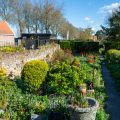
Planting native trees, shrubs, and flowers provides essential food and shelter for garden birds and insects. Opt for species like hawthorn, holly, or wildflowers such as oxeye daisy and primrose. These plants thrive in British climates and support local ecosystems.
Create Layers of Habitat
Diverse planting at different heights—ground cover, bushes, and taller trees—offers nesting sites and protection from predators. Mixing evergreen and deciduous varieties ensures year-round interest and resources for wildlife.
Add Water Features
A small pond or birdbath offers birds a place to drink and bathe. Choose shallow dishes with gently sloping sides for safety, and remember to top up water regularly, especially during dry spells or frosty weather.
Feed Responsibly
Supplement natural food sources with feeders containing seeds, nuts, or fat balls, particularly in winter. Clean feeders often to prevent disease spread. Avoid using pesticides; instead, encourage natural pest controllers like ladybirds and hedgehogs by leaving wild corners in your garden.
Embrace Sustainable Practices
Opt for peat-free composts and locally sourced materials when building bug hotels or installing nest boxes. Composting kitchen scraps reduces waste and enriches your soil naturally. Leave some leaf litter or log piles undisturbed for insects and amphibians.
Keep It Beautiful
Wildlife-friendly doesn’t mean untidy. Use woven willow edging, decorative planters, or cleverly placed climbing plants to blend wildlife features with classic British garden aesthetics. A thoughtfully designed garden can be both a sanctuary for nature and a joy for you to enjoy throughout the seasons.
6. Community Action and Supporting Urban Biodiversity
Community involvement is vital in creating and maintaining spaces where garden birds and other wildlife can flourish amid urbanisation. Across the UK, community gardens and local groups play a significant role in transforming grey city landscapes into vibrant, nature-friendly areas. By coming together, residents can share knowledge, resources, and enthusiasm, making it easier to implement wildlife-friendly practices on a larger scale.
Encouraging Local Participation
Getting involved doesnt require specialist skills or vast amounts of time. From joining local gardening clubs to participating in bird surveys like the RSPB’s Big Garden Birdwatch, every effort counts. Many neighbourhoods have formed Friends of parks groups or street planting teams that welcome new members to help with planting native species, building bug hotels, or simply keeping green spaces tidy and inviting for both people and wildlife.
The Value of Community Gardens
Community gardens are wonderful hubs for learning and sharing. They often provide workshops on composting, organic gardening, and supporting pollinators—skills that are easily transferred to home gardens. These spaces also serve as sanctuaries for birds by offering food sources, nesting spots, and safe havens away from busy roads and buildings. By working together, communities can create interconnected habitats that help birds move safely through urban areas.
National Initiatives Making a Difference
In addition to grassroots efforts, national initiatives play a crucial role in supporting urban biodiversity. Programmes such as the RHS Britain in Bloom or Wildlife Trusts’ Living Cities encourage councils, businesses, and residents to work together towards greener urban environments. These initiatives provide guidance, recognition, and sometimes funding for projects that benefit wildlife. By engaging with these schemes, individuals and communities contribute not only to their own neighbourhoods but also to wider conservation efforts across the UK.
Ultimately, supporting urban biodiversity is a collective endeavour. Every window box planted with wildflowers or community garden set up in an unused lot adds up. Through shared action and ongoing commitment, we can ensure that garden birds continue to thrive even as our towns and cities grow.