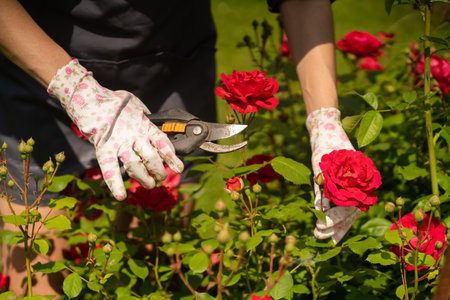
Origins of Flower Gardening in British History
The story of flower gardening in the United Kingdom is a tapestry woven through centuries, with its roots stretching deep into the medieval era. While today’s colourful borders and manicured lawns are a familiar sight, their beginnings were far more humble and practical. In medieval Britain, monastic gardens played a pivotal role in shaping the tradition of growing flowers. Monks cultivated enclosed spaces not just for sustenance but also for spiritual reflection, blending herbs, medicinal plants, and early ornamental blooms. These sacred gardens often featured cloistered walkways and neatly arranged flowerbeds, demonstrating both order and reverence for nature. As time marched on, the influence of European designs began to seep into British soil. The Renaissance brought with it new ideas from Italy and France: geometric layouts, elaborate parterres, and exotic plant species captured the imagination of the English gentry. By the Tudor period, grand estates boasted gardens that combined native wildflowers with imported varieties, establishing a unique blend that would come to define the British approach. This harmonious balance between structure and natural beauty became a hallmark of British flower gardening—a tradition that has continued to evolve while honouring its rich heritage.
2. The Rise of the English Cottage Garden
The story of flower gardening in the United Kingdom would not be complete without mentioning the iconic English cottage garden. Rooted in rural tradition and a legacy of self-sufficiency, the cottage garden style blossomed from humble beginnings. In centuries past, village folk cultivated these gardens for practical reasons: they needed herbs for the pot, medicinal plants for minor ailments, and flowers to bring simple beauty to their lives. Over time, this down-to-earth approach evolved into an aesthetic that is now beloved across Britain and beyond.
Key Features of the English Cottage Garden
Unlike formal gardens with their manicured lawns and regimented flower beds, the cottage garden is characterised by its informal layout and charming jumble of plants. Paths meander through dense borders, where tall hollyhocks rub shoulders with foxgloves, sweet peas climb rustic trellises, and fragrant lavender lines the way. Fruit trees and berry bushes often find a home here too, echoing the original purpose of providing both food and pleasure.
Main Elements at a Glance
| Feature | Description |
|---|---|
| Plant Diversity | A mix of flowers, herbs, vegetables, and fruit – all packed closely together |
| Layout | Informal paths, winding borders, minimal symmetry |
| Traditional Plants | Roses, delphiniums, lupins, foxgloves, hollyhocks, lavender |
| Structures | Picket fences, arched gates, rustic arbours and trellises |
| Wildlife Friendly | Encourages bees, butterflies and birds with nectar-rich blooms |
Deep Roots in Rural Life
This style of gardening reflects more than just aesthetic preferences; it is a testament to British resilience and adaptability. In days gone by, every inch of land around a cottage was used wisely—nothing went to waste. Flowers were grown alongside vegetables to attract pollinators or ward off pests naturally. Self-sufficiency was essential long before supermarkets lined their shelves with imported produce. Today’s cottage gardens continue to celebrate this ethos—practicality woven seamlessly with beauty—and stand as a living link to Britain’s rural heritage.

3. Victorian Innovation and the Golden Age
The Victorian era, spanning from 1837 to 1901, is often regarded as the golden age of flower gardening in the United Kingdom. This period was marked by an insatiable appetite for the exotic and the new, with plant hunters venturing to the farthest corners of the British Empire and beyond, returning with rare specimens previously unseen on British soil. Orchids, ferns, and rhododendrons became household names among the well-to-do, their presence a symbol of both status and sophistication.
But it wasn’t just about collecting unusual blooms. The Victorians were great innovators, embracing technological advances that revolutionised horticulture. The development of the glasshouse—what we’d now call a greenhouse—allowed gardeners to nurture delicate plants through cold British winters. These structures, ranging from modest conservatories to grand glass palaces like Kew’s Palm House, became icons of progress and prosperity. Even today, a stroll around any stately home or botanical garden will likely reveal these impressive feats of Victorian engineering.
During this time, public parks blossomed across cities and towns, offering respite and beauty to all social classes. The movement was rooted in a belief that access to nature improved health and morals—a sentiment echoed by many of our elders who still extol the virtues of a daily walk among flowers. Great estate gardens flourished too, meticulously designed with sweeping lawns, ornate parterres, and colourful bedding schemes that showcased both native favourites and newly imported treasures.
The Victorian passion for gardening was infectious; it shaped not only landscapes but also attitudes towards nature and leisure. Gardening clubs formed up and down the country, seed catalogues circulated through postboxes, and even working-class homes found space for a patch of colour out front. For many in Britain today, those traditions live on: there is something deeply comforting about knowing you are part of a long line of hands that have tilled the same earth, nurtured the same roses, and marvelled at the same spring bulbs bursting into life.
4. Cultural Significance of Flowers in British Life
Flowers hold a cherished place in the fabric of British daily life, woven into both the grandest traditions and the simplest gestures. From stately home gardens to humble window boxes, flowers are far more than decoration—they represent history, sentiment, and a profound connection with nature that is deeply rooted in the national psyche.
Across the United Kingdom, flowers play a significant role in marking lifes milestones and seasonal celebrations. For example, roses are an enduring symbol of love and remembrance, often seen at weddings, funerals, and on Remembrance Day. Daffodils bloom with pride on St. David’s Day in Wales, while thistles represent Scotland’s rugged beauty. In England, the red poppy stands as a solemn tribute every November during Remembrance Sunday.
The importance of flowers extends beyond symbolism; they are integral to public events and community gatherings. The Chelsea Flower Show, one of Britain’s most prestigious horticultural exhibitions, epitomises this cultural reverence. Each May, gardening enthusiasts from across the country and the globe descend upon London to admire breathtaking displays, innovative garden designs, and new plant varieties. The show is not just a competition—it is a celebration of tradition, creativity, and British identity.
Everyday Life and Social Customs
| Occasion | Common Flowers Used | Cultural Meaning |
|---|---|---|
| Weddings | Roses, lilies, peonies | Love, purity, happiness |
| Funerals | Lilies, chrysanthemums | Sympathy, respect |
| Mother’s Day | Daffodils, carnations | Gratitude, affection |
| Remembrance Sunday | Poppies | Sacrifice, remembrance |
| Easter Celebrations | Daffodils, tulips | Renewal, hope |
| Local Fêtes & Fairs | Mixed bouquets from local gardens | Community spirit, tradition |
This deep-rooted appreciation for flowers also finds expression in everyday interactions. It is common for Britons to bring fresh blooms when visiting friends or to brighten up their own homes with seasonal arrangements from the local market. Whether it’s a bunch of snowdrops heralding spring or bluebells carpeting ancient woodlands, flowers are an ever-present reminder of the cycles of life and nature that shape British culture.
5. Modern Trends and Community Gardening
In recent years, the landscape of British flower gardening has evolved, embracing modern lifestyles while staying true to its roots. Urban gardening initiatives have taken centre stage, especially in bustling cities like London and Manchester, where space is at a premium. Rooftop gardens, window boxes bursting with geraniums, and vertical planting schemes are now commonplace, allowing city dwellers to bring a touch of nature into their daily lives. These urban projects not only brighten up grey cityscapes but also foster a strong sense of community among neighbours who might otherwise be strangers.
Sustainability has become a guiding principle in contemporary British flower gardening. Gardeners, both amateur and seasoned, are increasingly aware of their environmental footprint. There is a noticeable shift towards using peat-free composts, collecting rainwater for irrigation, and choosing native or pollinator-friendly plants to support local wildlife. This movement reflects an age-old respect for the land—something my own grandparents practised long before it became fashionable—and highlights the enduring wisdom passed down through generations.
One cannot discuss modern British gardening without mentioning allotments. These cherished plots are more than just parcels of land; they are vibrant hubs of social interaction and shared knowledge. Families, friends, and even strangers come together on these patches to cultivate not only flowers but also relationships and community spirit. The tradition of tending an allotment dates back to wartime necessity but remains relevant today as people seek solace from the pressures of modern life. Allotments offer a place for hands-on learning, intergenerational bonding, and the simple pleasure of watching your labour blossom into beauty.
Ultimately, the current trends in British flower gardening reflect both innovation and tradition. From urban balconies adorned with cheerful blooms to sustainable practices rooted in respect for nature, and the ongoing love affair with allotments—gardening in the UK continues to unite people across ages and backgrounds. It is a living heritage that adapts with time yet preserves the gentle values that have defined British gardens for centuries.
6. Enduring Traditions and Local Pride
One of the most remarkable aspects of flower gardening in the United Kingdom is how it continues to thrive through a deep sense of local pride and enduring tradition. Across the country, each region has developed its own preferences and styles, shaped by climate, heritage, and even soil type. In Cornwall, for instance, subtropical plants flourish due to the milder weather, while in Yorkshire, hardy perennials and classic cottage garden favourites take centre stage. These regional quirks are more than just practical—they’re a point of pride for gardeners who see their plots as living reflections of their community’s history and character.
County flower competitions have played an essential role in keeping these traditions alive. Every summer, villages and towns across Britain prepare for local shows where everything from perfect dahlias to wild foxgloves is judged by keen-eyed experts. It’s not merely about winning a rosette; it’s a celebration of community spirit and friendly rivalry that brings neighbours together. These events often spark fond memories—many a gardener recalls being taken to the village fete as a child, learning the names of blooms from grandparents who would whisper tips passed down through generations.
Historic societies such as The Royal Horticultural Society (RHS) also do much to preserve and promote Britain’s gardening legacy. Through exhibitions at places like RHS Chelsea Flower Show or Tatton Park, they showcase both innovative designs and time-honoured methods. These gatherings are more than just displays; they’re communal milestones where people exchange seeds, stories, and advice—reminding us all that gardening is as much about connection as cultivation.
The endurance of these traditions relies heavily on intergenerational knowledge-sharing. Many British families still pass down treasured cuttings or favourite bulbs—along with tales of their origins—just as they might hand on family recipes or heirlooms. Such customs ensure that even in our fast-paced modern world, the rituals of planting, tending, and celebrating flowers remain woven into everyday life.
All things considered, it’s this blend of regional identity, friendly competition, historic stewardship, and personal memory that keeps the heart of British flower gardening beating strong. Whether you’re walking past a front garden bursting with hollyhocks or admiring prize-winning sweet peas at the county show, you’re witnessing living traditions—rooted in place, tended by hand, and cherished by generation after generation.