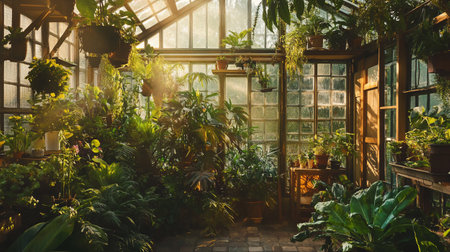
Understanding the Challenges of British Summers
If you’ve spent any time tending to a greenhouse in the UK, you’ll know that British summers can be a real mixed bag. One moment, you’re reaching for your wellies as rain taps out its familiar tune on the glass; the next, you’re peeling off layers under a blazing sun. This unpredictability is part and parcel of our climate, but it can create quite the headache for greenhouse growers. While we may not have the endless sunshine of the Mediterranean, those occasional heatwaves are no joke—temperatures can soar unexpectedly, turning your cherished greenhouse into an oven in no time at all. It’s not just the rare scorcher days you have to worry about either; even a string of mild, sunny days can gradually push the mercury up inside. Plants that thrive in stable conditions can quickly become stressed or wilted if temperatures aren’t kept in check. That’s why understanding how these weather swings affect your greenhouse is the first step to protecting your crops. In true British fashion, being prepared for anything—rain or shine—is essential to making sure your plants don’t just survive, but flourish.
2. Choosing the Right Shading Materials
If you’ve ever tended a greenhouse during a classic British summer, you’ll know how swiftly the temperature can creep up, even on days that start off overcast. Selecting suitable shading materials is one of the most effective ways to maintain a pleasant environment for your plants. Let’s have a closer look at some tried-and-tested options, considering both their strengths and how well they fare in our unique climate.
Common Greenhouse Shading Materials
| Material | Key Features | Suitability for UK Conditions |
|---|---|---|
| Shade Netting | Lightweight mesh, available in various densities (e.g. 30%-70% shade) | Highly versatile; ideal for fluctuating weather, easy to install and remove as needed |
| Blinds (Roller or Louvered) | Adjustable coverage; fitted inside or outside glass panels | Useful for quick adjustment as clouds roll in or out; inside-fitted blinds are protected from rain and wind |
| Shading Paint (White Wash) | Temporary coating applied directly to greenhouse glass | Traditional favourite; particularly good for long spells of bright sun, washes away with autumn rains |
Choosing What Works for You
If you’re after flexibility—say you grow tomatoes one year and delicate ferns the next—shade netting is hard to beat. It can be draped externally or internally depending on how exposed your greenhouse is to wind. Many seasoned British gardeners opt for 50% shade netting: it takes the edge off strong sunshine without plunging your plants into gloom.
For those who prefer something a bit more permanent yet adjustable, roller blinds offer excellent control. You can pull them down when the forecast calls for heat and whip them back up on cooler days—a real blessing given our unpredictable summers.
The Old Standby: Shading Paint
I remember my own father mixing up whitewash every May, ready to daub onto the glass panes. Shading paint remains popular because it’s simple and economical: brush it on in late spring and let the autumn showers wash it away naturally. This method suits those with established routines and provides reliable protection during prolonged sunny periods.
A Word to the Wise
No matter which material you choose, ensure it’s easy to handle solo—especially if you’re not as sprightly as you once were! And always consider local wildlife: avoid materials that could entangle birds or insects. With these points in mind, selecting appropriate shading becomes less of a chore and more of an annual rite, ensuring another successful growing season under British skies.

3. Installation Techniques and Best Placement
When it comes to keeping your British greenhouse cool during those rare but increasingly common hot spells, how you install your shading is just as important as the materials you choose. The goal is to strike a balance between reducing excess heat and maintaining enough sunlight for healthy plant growth. One time-tested approach is to fix shade cloths externally, directly over the greenhouse roof and walls, rather than internally. This helps block the sun’s rays before they even enter the glass or polycarbonate, which significantly reduces the build-up of heat inside. If you’re using blinds or netting, fit them on the south and west-facing sides first—these get the brunt of midday and afternoon sun in the UK.
Maximising Airflow
While putting up shading, remember that ventilation is your best friend. Avoid covering vents or opening mechanisms with your chosen material. Position shade cloths so that they can be easily rolled back or adjusted as needed, especially on days when cloud cover returns or temperatures drop suddenly (as any seasoned British gardener knows can happen at a moment’s notice). By allowing fresh air to circulate freely, you’ll help prevent fungal diseases and keep humidity levels in check.
Light Control Tips from Experience
A handy tip passed down from older generations is to leave a gap of a few inches between the shading material and the greenhouse surface. This gap acts as an insulating buffer zone, further reducing heat transfer while letting air move through. For greenhouses with tricky shapes or limited access, consider using shade paint on glass panels—a method popular in many UK allotments for its flexibility and ease of removal come autumn.
Adaptability Is Key
Finally, always keep adaptability in mind. The British weather is nothing if not unpredictable. Use hooks, ties, or Velcro strips so you can swiftly alter your shading arrangement as conditions change throughout the season. With thoughtful installation and placement, you’ll ensure your plants are protected without sacrificing that all-important natural light.
4. Managing Shade Throughout the Season
As any seasoned British gardener knows, managing shade in your greenhouse isn’t a one-off job for the start of summer. Our famously unpredictable weather and shifting daylight hours mean your shading practices need to adapt as the season progresses. In early summer, when days are still lengthening and temperatures fluctuate, it’s best to keep shading light and flexible—think removable shade nets or adjustable blinds. As we move into July and August, when the sun sits higher and heatwaves occasionally pay us a visit, you’ll want to ramp up your shading efforts to protect delicate crops from wilting or scorching.
It pays to monitor both the external temperature and the inside climate of your greenhouse regularly, adjusting your setup as needed. For instance, on days when overcast skies are predicted, you might roll back some of your shading to allow more natural light in, promoting healthy growth without risking overheating. Conversely, during those rare but intense British heatwaves, doubling up on shading or even draping hessian over exposed glass panels can make all the difference. The trick is to respond to changing conditions promptly rather than sticking rigidly to a set routine.
Here’s a quick reference table you might find handy for tweaking your shading as the British summer unfolds:
| Month | Daylight Hours | Recommended Shading Approach |
|---|---|---|
| May–June | 15–17 hours | Light netting or partial blinds; allow early morning sun in; monitor for cool nights |
| July–August | 16–18 hours | Double-layered netting or reflective paint; ensure vents are open; consider internal shade screens for midday protection |
| September | 13–15 hours | Gradually reduce shading; let in more light as temperatures drop; watch for late hot spells |
This hands-on approach—observing, adjusting, and not being afraid to experiment—will ensure your greenhouse remains a sanctuary for your plants throughout the ever-changing British summer. After all, as any old hand will tell you, gardening here is about adapting to what each day brings rather than trying to force nature into a fixed timetable.
5. Balancing Shade and Light for Healthy Plants
Finding the sweet spot between too much shade and just enough light is something every British greenhouse gardener learns with time, often through a bit of trial and error. While shading is essential to prevent greenhouses from overheating during those rare but glorious sunny spells, it’s equally important not to rob your plants of the sunlight they need for robust growth. Too little light can result in leggy seedlings that stretch desperately towards any glimmer of sun, or worse, encourage the development of mould and mildew in the damp corners of your greenhouse.
Understanding Plant Needs
Each plant has its own requirements, but as a general rule, most vegetables and flowering plants need at least six hours of good light per day. British summers may not always deliver Mediterranean sunshine, but your greenhouse can still get surprisingly bright – so it’s wise to monitor how much direct sun your plants receive throughout the day. Use a simple light meter or just keep an eye on which areas look brightest and which are more shaded as the sun moves across the sky.
Adjusting Shading Materials
If you’re using shading paint or netting, don’t apply it too thickly – a lighter application often does the trick. You might also consider putting up removable internal blinds or shade cloths that can be adjusted as needed. On cloudier days or cooler weeks, roll them back to let in more light; when a heatwave hits, draw them over again for protection. This flexible approach helps maintain that all-important balance.
Ventilation and Airflow
Good shading goes hand-in-hand with proper ventilation. Open doors, vents, or louvres whenever possible to keep air circulating. Stagnant air combined with excessive shade creates perfect conditions for fungal diseases. A gentle breeze will help strengthen young plants while reducing humidity levels inside the greenhouse.
Observation Is Key
As any seasoned gardener will tell you, nothing beats taking a daily stroll through your greenhouse with an observant eye. Watch how your plants respond: if leaves seem pale or growth looks spindly, try letting in more light. If you notice wilting during midday heat, restore some shading. By making small adjustments based on what you see, you’ll soon find the ideal balance that keeps your crops both cool and thriving.
Traditional Wisdom and Modern Tips
If there’s one thing British gardeners have in spades, it’s practical wisdom passed down through the generations. Many seasoned greenhouse keepers swear by time-honoured techniques such as using net curtains or old white sheets to diffuse harsh sunlight—simple, cost-effective solutions that can be easily adjusted as the weather changes. One classic tip is to paint the outside of your greenhouse glass with a diluted solution of shading paint at the start of summer; it’s a straightforward method that’s been relied upon for decades to temper the fiercest rays.
However, these days, technology is making life easier and more efficient. For those looking to blend tradition with innovation, modern shade netting comes in various densities and can be fixed or retractable, allowing for greater control over light levels. Automated shading systems, which respond to temperature and sunlight sensors, are becoming increasingly popular in the UK—they might be an investment, but they save you dashing out mid-afternoon to pull blinds down when the sun suddenly appears.
Another tip from experienced hands: don’t overlook ventilation. Shading works best when combined with good airflow; open vents early on warm mornings and consider installing solar-powered fans for extra circulation during heatwaves. Watering pathways and staging also helps cool the air through evaporation—a trick that’s as old as greenhouses themselves.
Whether you favour old-school methods or embrace new technologies, remember that flexibility is key. The British weather is nothing if not unpredictable, so having a few different options up your sleeve will ensure your plants stay comfortable no matter what the summer throws your way.