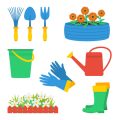
Essential Garden Tools for Every British Gardener
When it comes to keeping your garden thriving all year round, having the right tools is just as important as knowing when to use them. In the UK, gardens face unique challenges from ever-changing weather—rain showers in spring, cool autumns, and the occasional summer heatwave. Here’s a round-up of must-have tools every British gardener should keep at hand, plus tips on selecting quality items that can stand up to the elements.
Must-Have Tools for UK Gardens
Secateurs: Perfect for pruning roses and shrubs common in British gardens. Look for stainless steel blades to resist rust.
Hand Trowel and Fork: Essential for planting bulbs and weeding borders. Choose tools with comfortable, non-slip handles for those damp mornings.
Spade and Border Fork: Sturdy tools are needed for digging heavy clay soils found in many regions. Opt for forged steel heads and hardwood or fibreglass shafts.
Lawn Mower: With grass growing quickly during the UK’s mild springs and wet summers, a reliable mower is key. Select one suited to your lawn size—electric mowers are popular for smaller gardens.
Watering Can: A classic galvanised or plastic watering can with a removable rose ensures gentle watering, especially vital during drier spells.
Stiff Broom: Keep paths clear of moss and leaves with a robust broom—look for weatherproof bristles.
Choosing Quality Garden Tools
British weather can be unforgiving, so invest in tools made from rust-resistant materials like stainless steel or powder-coated metal. Wooden handles should be treated or varnished to prevent rot. Whenever possible, test the grip and balance before buying—comfortable, ergonomic designs reduce fatigue during long gardening sessions.
Tip: Prioritise Longevity
Avoid cheap, flimsy options; well-made tools often come with multi-year warranties. Store them in a dry shed or garage to extend their life through rain, frost, and sun.
Spring Preparation and Tool Maintenance
As the British spring draws near, it’s essential to ensure your gardening tools are in top condition. Proper maintenance now will save you time and effort as gardens burst into life. Here’s a practical guide for getting your kit ready for the season, reflecting common UK practices.
Cleaning Your Tools
After winter, tools may be rusty or clogged with soil. Clean them thoroughly by brushing off mud and debris. For stubborn dirt, soak metal parts in warm water and use a wire brush. Wooden handles can be wiped down with a damp cloth, then dried well to prevent rot.
Sharpening Blades and Edges
Sharp tools make lighter work of pruning and digging. Use a sharpening stone or file for secateurs, shears, and spades. Always follow the original angle of the blade and finish with light oil to prevent rust—a tip favoured by many seasoned UK gardeners.
Repairing and Replacing Parts
Check for any loose screws or damaged handles. Tighten fittings and consider replacing worn-out grips or blades. In Britain, local garden centres often stock replacement parts for popular brands, making repairs straightforward.
Quick Reference Table: Spring Tool Maintenance
| Tool | Maintenance Task | Recommended Product/Method |
|---|---|---|
| Secateurs & Shears | Sharpen & Oil Blades | Sharpening stone, 3-in-1 oil |
| Spades & Forks | Clean & Remove Rust | Wire brush, warm soapy water |
| Lawn Mower | Check Blade Sharpness & Oil Moving Parts | Mower file, machine oil |
| Wooden Handles | Treat for Splinters & Rot Prevention | Sandpaper, linseed oil |
Local Tip:
Avoid leaving tools outside overnight—damp British weather encourages rust. Store them in a dry shed or garage whenever possible.

3. Summer Care: Keeping Tools in Top Nick
During the British summer, gardens come alive and so does your toolkit. It’s crucial to give extra attention to your gardening tools during these busy months, as they see heavy use and face unpredictable UK weather.
Regular Cleaning is Key
After each session, wipe down your tools with a damp cloth to remove soil and plant debris. Dry thoroughly before storing—this simple habit helps prevent rust, which can develop quickly in the UK’s humid conditions.
Protect from Rust and Moisture
Apply a light coat of linseed oil or a specialist tool oil to metal parts, especially after working on rainy days or in morning dew. This forms a protective barrier against moisture, keeping rust at bay. Wooden handles also benefit from occasional oiling to stop them from cracking or splintering in the heat.
Sharpen Blades Regularly
Sharp blades make for cleaner cuts and less strain on your hands. Use a sharpening stone or file on secateurs, shears, and spades at least once a month during peak growing season. Always check for any nicks or bends and address them promptly.
Store Tools Properly
Avoid leaving tools outside overnight or in damp sheds. Hang them up or place them on racks in a dry, well-ventilated area. If possible, invest in silica gel sachets or moisture-absorbing products for added protection inside storage spaces.
With consistent care throughout summer, your gardening tools will remain sharp, sturdy, and ready for action—whatever the great British weather may bring.
4. Autumn Wind-Down and Storage Solutions
As the days grow shorter and the weather turns damp, British gardeners know it’s time to wind down for the season. Proper end-of-season maintenance ensures your tools stay in top condition and are ready for spring. Here are practical steps and storage tips tailored for UK sheds and allotments.
Steps for End-of-Season Maintenance
- Clean Thoroughly: Remove soil, sap, and plant residue from all tools. Use a stiff brush and soapy water; dry well to prevent rust.
- Sharpen Blades: Sharpen secateurs, shears, and spades using a sharpening stone or file. Well-sharpened tools make gardening easier next year.
- Oil Moving Parts: Apply a light machine oil to hinges, springs, and blades. This protects against corrosion during winter’s damp conditions.
- Check Handles: Inspect wooden handles for cracks or splinters. Sand rough patches and treat with linseed oil to nourish the wood.
- Tighten Fixings: Ensure nuts, bolts, and screws are secure. Tighten or replace as needed to avoid wobbly tools come spring.
Storage Tips for Damp British Sheds
| Tool Type | Best Storage Method | Extra Protection Tip |
|---|---|---|
| Hand Tools | Hang on hooks or pegboards to keep off damp floors | Dip metal parts in sand mixed with oil before hanging up |
| Larger Tools (spades, forks) | Store upright in racks or hang by handles | Wipe down and apply a thin coat of oil before storing |
| Power Tools | Keep in original cases or sealed plastic boxes | Add silica gel packs to absorb excess moisture |
| Garden Gloves & Soft Items | Dry thoroughly before storing in breathable bags or baskets | Avoid airtight containers which trap moisture and cause mould |
Mould Prevention in Allotment Sheds
- Avoid stacking tools directly on concrete floors; use pallets or shelves instead.
- Add ventilation where possible; even a small vent reduces condensation build-up.
- Use moisture absorbers such as old newspaper bundles or dedicated products like silica gel; replace regularly.
- Label storage areas clearly; this makes it easy to locate tools next season without unnecessary rummaging.
A Little Effort Goes a Long Way
The autumn wind-down is more than just tidying up; it’s about investing a little time now to save hassle later. With these simple steps and clever storage solutions, you’ll keep your gardening kit sharp, rust-free, and ready to tackle another year – whatever the British weather brings.
5. Winter Deep-Clean and Oiling Rituals
As winter settles in, its the perfect opportunity to give your gardening tools a comprehensive service. Taking time for a deep clean and oiling not only prolongs their life but also ensures they’re sharp, rust-free, and fully prepared for another year of growth.
Step-by-Step Winter Maintenance
Thorough Cleaning
Begin by scrubbing off any soil or plant residue using a stiff brush and warm soapy water. For stubborn dirt, a wire brush works wonders. Rinse thoroughly and dry each tool with an old towel to prevent moisture build-up.
Sharpening Blades
Sharp tools make lighter work in spring. Use a sharpening stone or a file to hone the edges of secateurs, shears, and spades. Always follow the original angle of the blade and finish with a quick wipe to remove filings.
Rust Prevention
To tackle existing rust, gently rub metal surfaces with steel wool or fine sandpaper until smooth. Once cleaned, apply a light coat of machine oil or linseed oil to all metal parts. This creates a barrier against damp winter air and keeps corrosion at bay.
Handle Care
Don’t forget wooden handles. Sand down any splinters and rub in boiled linseed oil for nourishment and protection against cracking during cold months.
Storage Tips for British Winters
Store tools in a dry shed or garage, hung up or placed on racks to avoid contact with damp floors. Consider using silica gel packs or hanging sachets of charcoal nearby to absorb excess moisture typical of British winters.
A Fresh Start for Spring
This winter ritual guarantees your toolkit will be in prime condition when the first signs of spring appear. A little effort now saves you time, money, and frustration later—ensuring you’re ready to embrace the next growing season with ease.
6. Eco-Friendly and Traditional Methods
In the spirit of British gardening heritage, there are many eco-friendly and time-honoured ways to keep your tools in excellent condition throughout the year. These sustainable approaches not only protect your garden but also honour traditions that have been passed down through generations.
Natural Cleaning Solutions
Instead of using harsh chemicals, opt for simple, natural ingredients found in most British homes. Warm water mixed with a splash of white vinegar or a squeeze of lemon juice is perfect for removing dirt and sap from metal blades and wooden handles. For stubborn grime, a sprinkle of bicarbonate of soda acts as a gentle abrasive without harming the tool or the environment.
Sharpening with Classic Techniques
A traditional British method for sharpening involves using a whetstone or an old-fashioned oilstone. Apply a touch of linseed oil to the stone before running the blade along its surface in smooth, even strokes. This keeps edges sharp and prolongs the life of your favourite shears, secateurs, and spades.
Caring for Wooden Handles
Wooden handles benefit from regular attention. Rub them down with fine sandpaper to remove splinters, then finish with a coat of boiled linseed oil or beeswax polish. Both are natural products often used by British gardeners for generations to nourish wood and prevent it from splitting or drying out.
Responsible Rust Removal
If you spot rust, reach for wire wool or an old scrubbing brush rather than chemical removers. After cleaning, wipe metal parts with an oily rag—many gardeners favour repurposed vegetable oil—which forms a protective layer against moisture and rust.
Sustainable Storage Solutions
Store tools in a dry shed or garage, ideally hanging up on hooks made from reclaimed wood or old coat pegs. This keeps them off damp ground and ensures air can circulate freely—a simple yet effective practice rooted in British allotment tradition.
By embracing these eco-friendly and traditional methods, you not only maintain your tools but also contribute to a more sustainable gardening culture, keeping alive the values cherished by British gardeners across the seasons.