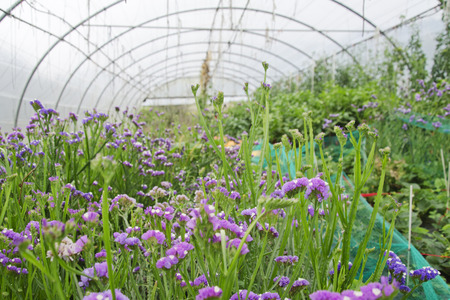
Introduction to Allotment Gardening in the UK
Allotment gardening is a cherished tradition woven into the fabric of British culture, offering not just a practical space for growing fruit, vegetables, and flowers, but also a sense of community and well-being. The concept of allotments dates back to the 19th century when plots of land were provided to working-class families as a means to supplement their diet with homegrown produce. Over the years, allotments have evolved from mere sources of food security to treasured green oases where people from all walks of life can reconnect with nature, unwind, and cultivate friendships. Today, these plots are more than just gardens—they represent a collective passion for sustainability, self-sufficiency, and environmental stewardship. Whether you’re an experienced grower or a curious newcomer, understanding the seasonal rhythms of allotment gardening helps ensure your plot thrives throughout the year and continues this proud British tradition.
2. Spring: Starting the Growing Year
Spring in the UK allotment is when the growing year truly begins, though it can be a capricious season, swinging between mild spells and sudden cold snaps. Careful planning and timely action are essential for setting up a successful plot for the months ahead.
Key Tasks for Spring
Preparing the Soil
As soon as the ground is workable—typically from March onwards—begin by clearing any winter debris and weeds. Incorporate well-rotted manure or compost to replenish nutrients lost over winter. If your soil is heavy clay, consider adding grit or sand to improve drainage, which is particularly important given the UK’s spring showers.
Sowing Seeds
Spring is prime time for sowing, but timing varies depending on your local microclimate and recent weather. Early crops such as broad beans, onions, and peas can go directly into the ground. More tender crops like tomatoes or courgettes are best started indoors or in a greenhouse until all risk of frost has passed.
| Crop | Direct Sow (Outdoors) | Sow Indoors/Under Cover |
|---|---|---|
| Broad Beans | March–April | February–March |
| Onions (from sets) | March–April | N/A |
| Peas | March–May | February–March |
| Tomatoes | N/A | February–March |
| Courgettes | N/A | April–May |
Protecting Young Plants from Unpredictable Weather
The British spring can be notoriously fickle, with late frosts and sudden downpours. Protect newly sown seeds and young plants with cloches, fleece, or even upturned clear plastic bottles. Keep an eye on weather forecasts; a cold snap might require you to cover rows overnight. For extra insurance, harden off indoor-raised seedlings by gradually acclimatising them outdoors before planting out fully.
Top Tips for Spring Success:
- Test your soil temperature with a thermometer—most seeds need at least 7°C to germinate.
- Avoid working wet soil to prevent compaction; if it sticks to your boots, wait a few days.
- Sow little and often rather than all at once to ensure a steady harvest later in the year.
- Keen on flowers? Now’s also the time to direct sow hardy annuals like calendula or cornflowers for pollinators.
- Record what you plant and where—it’s easy to forget come summer!
3. Summer: Maintenance and Harvesting
As the British summer unfolds, your allotment truly comes alive with growth—and with it, a fresh set of challenges. Long daylight hours and occasional heatwaves mean your plants surge ahead, but so do the weeds. Staying on top of essential maintenance tasks now will reward you with healthy crops and an abundant early harvest.
Keep on Top of Weeds
Weeding is relentless in UK summer, as warmth and moisture encourage both crops and unwanted guests. Regular hoeing between rows, especially after rain or watering, disturbs weed seedlings before they get established. Mulching with well-rotted compost or straw not only suppresses weeds but also retains soil moisture—crucial during dry spells. Commit to a weekly routine; a little effort goes a long way.
Watering Wisely
Despite our reputation for rain, summers can bring dry periods and even hosepipe bans in some regions. Water deeply but less frequently to encourage roots to grow downwards, making plants more drought-resilient. Early morning or late evening is best to reduce evaporation. Focus water at the base of plants, particularly for thirsty crops like courgettes and tomatoes. Collecting rainwater in barrels is not just sustainable—it’s often better for your plants than mains water.
Harvesting Early Crops
This is the season when all your hard work begins to pay off. Broad beans, early potatoes, peas, strawberries, and salad leaves are often ready by midsummer. Pick crops regularly to encourage further production—beans and courgettes especially benefit from frequent harvesting. Taste as you go; freshness peaks quickly in the summer sun. Share any glut with neighbours or freeze for later use.
Tip: Stay Vigilant for Pests
Longer days mean more activity from pests like aphids and caterpillars. Inspect plants regularly and act swiftly—removing by hand or using organic controls if necessary—to prevent infestations getting out of hand.
A Note on Enjoyment
Remember that summer is also a time to savour your plot: enjoy a cup of tea among the runner beans, invite friends for a strawberry-picking session, and take pride in seeing your allotment thrive under the British sun.
4. Autumn: Preparing for the Cold
As the days shorten and temperatures begin to dip across the UK, autumn is a crucial period for allotment holders. This is the time to gather in the last of your summer crops, tidy up your plots, and lay solid foundations for next year’s growing season. Here’s a practical guide on making the most of your allotment during autumn.
Gathering Late Harvests
The tail end of summer often leaves you with a mixed bounty. Main crops like potatoes, carrots, leeks, and squashes are typically ready for lifting. Don’t forget to check brassicas such as sprouts and cabbages which thrive in cooler weather.
| Crop | When to Harvest |
|---|---|
| Potatoes | Early to mid-autumn when foliage dies back |
| Leeks | Late autumn; leave in ground until needed |
| Pumpkins/Squash | Before first frost; skin should be hard |
| Brussels Sprouts | After first frosts for best flavour |
Clearing and Tidying Your Plot
Once harvesting is complete, clear spent plants to reduce overwintering pests and diseases. Remove annual weeds and compost healthy plant material. Perennial weeds should be dug out entirely to prevent regrowth.
Essential Tasks Checklist:
- Remove dead crops and weeds
- Clean and store plant supports, netting, and tools
- Add mulch or well-rotted manure to bare beds to protect soil structure
Composting for Next Season
Autumn provides ample organic matter for composting—think vegetable tops, fallen leaves, and grass clippings. Layer green (nitrogen-rich) materials with brown (carbon-rich) ones for optimal decomposition. Turn the heap regularly, ensuring it stays moist but not soggy.
Planning Ahead for Spring
This quieter period is perfect for reflecting on what worked well over the past year and making plans for improvements. Sketch out crop rotations, order seeds early to avoid disappointment, and consider covering empty beds with weed-suppressant fabric or green manure crops like winter rye or field beans.
A Few Forward-Thinking Tips:
- Record successes and failures in an allotment journal
- Sow overwintering onions or garlic now if space allows
- Check structures (sheds, fences) for weatherproofing needs before winter storms set in
Tending your plot through autumn ensures you’re set up for a smooth start come spring—making chilly days well worth it for future harvests.
5. Winter: Tidying and Plot Improvements
Winter is often a quieter time on the allotment, but there’s still plenty that can be done to prepare for the year ahead. With most crops harvested and growth slowed by the cold, this season is ideal for essential maintenance and improvements.
Tool Maintenance and Storage
Start by giving your tools some attention—clean off any soil, sharpen blades, and oil moving parts. This not only extends their life but makes spring jobs much easier. Store tools in a dry shed or under cover to prevent rust and damage from damp conditions typical of British winters.
Crop Protection Measures
Protecting overwintering crops is crucial. Use fleece, cloches, or cold frames to shield hardy vegetables like kale, leeks, or winter lettuce from frost and heavy rainfall. Check protective coverings regularly after storms—a common occurrence in the UK—and re-secure them as needed.
Infrastructural Upgrades
With less planting and harvesting to do, winter offers a great opportunity to improve your plot’s infrastructure. Consider repairing or replacing damaged beds, paths, or compost bins. Installing new water butts now will ensure you’re ready for drier months ahead. If you’ve been meaning to add raised beds or improve fencing, this is the time to get those jobs ticked off the list.
Plan Ahead for Spring
Finally, use this downtime to review what worked well over the past year and plan crop rotations or new projects for spring. Order seeds early—many UK suppliers release their catalogues now—and sketch out your planting plans so you’re organised when the growing season begins again.
Summary
While winter might seem like a lull in allotment activity, it’s actually a valuable period for tidying up, maintaining equipment, protecting crops, and upgrading your plot—all of which set you up for success when spring returns.
6. Year-Round Tips for UK Allotmenteers
Making the most of your allotment in the UK is a year-round commitment, blending practical know-how with a uniquely British sense of community. Here’s how to keep your plot thriving and your spirits high throughout the seasons.
Stay on Top of Pests and Diseases
The UK’s mild, often damp climate means pests and plant diseases can be persistent guests. Slugs and snails are notorious, particularly in spring and autumn. Regular hand-picking, beer traps, or copper tape can help keep numbers down without resorting to harsh chemicals. Watch for blight on potatoes and tomatoes during wet summers—removing affected leaves promptly can help slow its spread.
Understand UK-Specific Regulations
Allotments in Britain come with their own set of rules. Most councils prohibit the use of hosepipes to conserve water, so invest in water butts and collect rainwater where possible. Be mindful of what you burn; many sites have strict guidelines or complete bans on bonfires due to local air quality concerns. Always check your tenancy agreement before making structural changes or planting trees.
Nurture Community Spirit
British allotments are social spaces as much as productive ones. Get to know your fellow plot-holders; sharing surplus seedlings or swapping advice is tradition. Many sites host summer fêtes, seed swaps, or communal workdays—these are excellent opportunities to learn from seasoned gardeners and strengthen community ties.
Plan Ahead for Every Season
Successful allotmenteering relies on forward planning. Use the quieter winter months to map out crop rotations and order seeds—many UK seed companies offer discounts for bulk orders or community groups. Stay organised by keeping a simple diary of sowing dates and harvests; this will help you adapt to the UK’s sometimes unpredictable weather patterns.
Embrace Sustainability
Composting is not only encouraged but often expected on UK allotments. Recycle garden waste into nutrient-rich compost, reducing landfill and feeding your soil naturally. Consider using green manures over winter to improve soil structure and fertility, following a practice common among experienced British growers.
By blending hands-on care with an awareness of local customs and regulations, you’ll find that British allotment gardening offers rewards far beyond the harvest basket—a sense of place, purpose, and belonging that lasts through every season.