Understanding the Importance of Wildlife and Pollinators in British Gardens
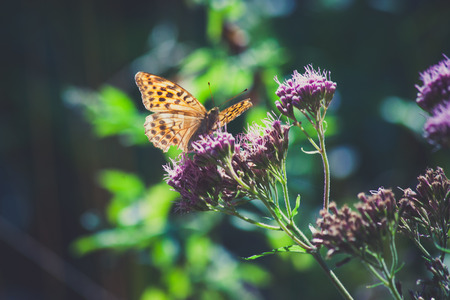
If you’ve ever strolled through a traditional British garden, you’ll know that its unique charm comes not only from the flowers and shrubs, but also from the gentle hum of bees, the flutter of butterflies, and the cheery song of birds. These creatures are much more than pleasant company; they are essential players in maintaining a thriving garden ecosystem. In fact, many seasoned gardeners will tell you that a healthy garden is one where wildlife is welcome and pollinators abound. Bees, both wild and managed, along with butterflies and native birds, are vital for pollinating a wide range of plants, from your prized apple trees to the humble clover in your lawn. Without their tireless work transferring pollen, our gardens would struggle to produce fruit, seeds, and even those vibrant blooms we all cherish. Moreover, wildlife such as hedgehogs, frogs, and ladybirds help keep pests in check naturally—often far more effectively than any chemical could hope to. It’s a delicate balance: each creature plays its part in supporting plant health, nutrient cycling, and soil structure. This interconnectedness is especially important here in Britain, where traditional gardens are often refuges for species facing pressure from urbanisation and intensive agriculture. By nurturing wildlife and pollinators in your own patch—however small—you’re helping to safeguard these invaluable allies for future generations. So before reaching for pesticides or making changes to your garden routine, it’s worth reflecting on just how much we depend on these small but mighty inhabitants to keep our gardens—and our countryside—flourishing.
2. Recognising Common Pesticides and Their Risks
When tending to our gardens here in Britain, its all too easy to reach for a bottle of pesticide without giving much thought to its contents or the broader impact it may have beyond the intended pests. Over the years, many British gardeners have become familiar with products promising a quick fix for aphids, slugs, or weeds. However, understanding what’s in these solutions is vital if we wish to protect the hedgehogs, bees, birds, and other valued wildlife that make our green spaces truly special.
Frequently Used Garden Pesticides in the UK
British garden centres and DIY shops commonly stock a range of chemical pesticides. The following table outlines some of the most widely used types:
| Pesticide Type | Common Chemical Names | Main Targets | Potential Impact on Wildlife & Pollinators |
|---|---|---|---|
| Insecticides | Imidacloprid, Pyrethroids, Lambda-cyhalothrin | Aphids, Caterpillars, Beetles | Highly toxic to bees and other pollinators; can harm ladybirds and lacewings |
| Herbicides | Glyphosate, 2,4-D | Weeds (broadleaf and grass species) | Reduces plant diversity, affecting food sources for birds and insects; residue runoff harms aquatic life |
| Slug Pellets | Metaldehyde, Ferric Phosphate | Slugs and Snails | Metaldehyde is highly toxic to hedgehogs and birds; ferric phosphate safer but still needs care around pets and wildlife |
| Fungicides | Mancozeb, Copper-based compounds | Mildews, Blights, Rusts | Copper can accumulate in soil; impacts earthworms and beneficial soil organisms |
The Unintended Consequences for Native Wildlife and Pollinators
The trouble with many pesticides is their lack of discrimination. They often affect non-target species — those helpful creatures who keep our gardens thriving. Bees, both honeybees and solitary native varieties such as bumblebees, are especially vulnerable to insecticides. Even low-level exposure can impair navigation and reduce survival rates. Birds may ingest pesticide-laden insects or seeds, leading to health problems or even fatalities. Amphibians like frogs and newts can be affected by contaminated water runoff from treated areas.
An Experienced Gardener’s Word of Caution
If you’ve ever wondered why you see fewer butterflies or hear fewer songbirds than in your youth, modern pesticide use could be partly to blame. Years of working with nature have taught me that every action has a ripple effect. Before reaching for a chemical solution, it pays to consider not just today’s problem but tomorrow’s balance of life in your patch of earth.
3. Practical Tips for Safe Pesticide Use
Having tended to a British garden through many changing seasons, I’ve learnt that safe and mindful pesticide use is both an art and a responsibility. Following best practices not only keeps our green spaces thriving but also protects precious wildlife and pollinators that share our gardens. Here are some lived-in, practical tips every gardener should consider, grounded in UK guidance and legal requirements.
Choose the Right Product
Always select pesticides that are approved for use in the UK—look for the HSE (Health and Safety Executive) approval number on the packaging. Opt for targeted products rather than broad-spectrum chemicals, as these are less likely to harm beneficial insects like bees or ladybirds. When in doubt, ask your local garden centre for advice or check the Royal Horticultural Society (RHS) recommendations.
Read the Label Thoroughly
This might sound obvious, but I can’t stress enough how vital it is to read instructions before you open the bottle. Labels contain crucial information about dosage, timing, protective gear, and environmental hazards. Ignoring these details can risk your health, your pets’, and the well-being of local wildlife. Take a moment to familiarise yourself with any warnings or special disposal instructions too.
Apply Carefully and at the Right Time
Only apply pesticides when absolutely necessary, targeting specific problems rather than using them as a preventative measure. The early morning or late evening is best—pollinators like bees are less active then, reducing their risk of exposure. Avoid spraying on windy days to prevent drift onto neighbouring plants or water sources. And remember: more is not better! Stick strictly to recommended amounts.
Wear Appropriate Protective Clothing
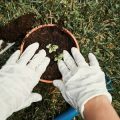
I always don gloves, long sleeves, and sturdy shoes when handling pesticides—no shortcuts here. Eye protection and a face mask are sensible additions if you’re dealing with powders or sprays. After use, wash your hands thoroughly and launder any clothing worn during application separately from other laundry.
Store Safely and Dispose Responsibly
Keep all pesticides locked away out of reach of children and pets, preferably in their original containers with labels intact. Never decant into food or drink bottles—a simple mistake that can have dire consequences. For disposal of leftovers or empty containers, consult your local council’s guidelines; never pour pesticides down drains or into watercourses as this can cause lasting harm to aquatic life.
A Final Thought from Experience
If in doubt, err on the side of caution. Over the years, I’ve found that patience—alongside proper technique—does wonders for both your garden’s health and the wider ecosystem. By adopting these practical habits, we gardeners do our bit to ensure that British wildlife continues to flourish alongside our beloved blooms.
4. Eco-Friendly Alternatives to Chemical Pesticides
Many seasoned British gardeners, drawing on decades of experience and a deep respect for the countryside, have long preferred natural and organic methods for managing pests. These approaches not only help keep your garden thriving but also protect our vital pollinators—like bees and butterflies—and cherished wildlife such as hedgehogs and songbirds. Choosing eco-friendly alternatives is not just a nod to tradition; its a practical step towards ensuring your garden remains a haven for all creatures great and small.
Natural Pest Control Methods
From time-honoured folk remedies to modern organic solutions, there are numerous ways to keep pests at bay without resorting to harsh chemicals. Here are some trusted methods:
| Method | Description | Benefits for Wildlife |
|---|---|---|
| Companion Planting | Growing certain plants together to repel pests (e.g., marigolds with tomatoes) | Attracts beneficial insects, deters harmful ones without toxicity |
| Physical Barriers | Using netting, cloches, or copper tape to protect crops from pests | No chemicals involved, safe for all non-target species |
| Biological Controls | Introducing natural predators like ladybirds or lacewings to eat aphids | Supports ecosystem balance, reduces need for sprays |
| Homemade Sprays | Using mild solutions such as soapy water or garlic spray | Biodegradable, less risk to bees and beneficial insects |
The Wisdom of Organic Gardening
Older generations have often relied on compost and healthy soil to create resilient plants that can withstand pest attacks. By nurturing the soil with well-rotted manure or homemade compost, you encourage strong root growth and natural resistance. Regular mulching and crop rotation are also key habits that reduce pest problems over time—a lesson passed down from allotment holders across the UK.
Create Habitats for Natural Predators
A truly British approach is making your garden inviting for birds, frogs, hedgehogs, and predatory insects. Installing bird boxes, bug hotels, or even a small pond can encourage these helpful allies who will keep pests in check naturally. Remember—sometimes the best pesticide is a hungry robin or a family of frogs patrolling your borders.
A Final Thought from Experience
Embracing these eco-friendly alternatives isn’t just about following the latest trends—it’s about respecting the delicate web of life in your garden. As many British gardeners will tell you over a cuppa in the shed: work with nature, not against it, and you’ll reap rewards season after season.
5. Encouraging Biodiversity and a Resilient Garden
If you’ve ever strolled through a classic British garden, you’ll know there’s something special about the gentle hum of bees, the flutter of butterflies, and the rustle of hedgehogs in the undergrowth. Over my years as a gardener, I’ve found that creating a haven for wildlife not only brings joy but also builds a naturally resilient space where pests are kept in check without relying heavily on chemicals.
Companion Planting: Nature’s Pest Control
One time-honoured technique is companion planting. This involves growing certain plants together to ward off pests and attract helpful insects. For example, marigolds nestled among your vegetables can help deter aphids, while lavender and rosemary are firm favourites with bees and butterflies. Nasturtiums make a handy trap crop, luring away blackfly from your precious runner beans. In our unpredictable British weather, these small partnerships can make a big difference to both plant health and pollinator numbers.
Habitat Creation: Welcoming Wildlife Neighbours
A true wildlife-friendly garden offers safe spaces for all sorts of creatures. Consider letting a patch of lawn grow long or planting native wildflowers like oxeye daisy or knapweed. These provide food and shelter for pollinators throughout the season. Building bug hotels from old bits of wood or stacking stones at the back of borders gives solitary bees and ladybirds somewhere to overwinter—a tradition that’s as old as country gardening itself. Even leaving autumn leaves beneath shrubs can offer refuge for hedgehogs and beneficial insects.
Mindful Gardening: Gentle Practices for Lasting Results
When we talk about mindful gardening, it means paying close attention to how our actions affect the wider ecosystem. Avoid clearing everything away too tidily—nature loves a bit of mess! If you spot pests, try hand-picking them or using barriers before reaching for pesticides. Water early in the morning to prevent fungal diseases, and mulch beds with compost to encourage healthy soil teeming with earthworms.
Small Steps, Big Impact
I’ve learned over the decades that every small change counts. By combining companion planting, creating habitats, and practising gentle gardening methods, we not only protect our own plots but also play our part in safeguarding Britain’s treasured wildlife and pollinators for future generations. It’s an approach rooted in respect—for nature, tradition, and the good sense passed down through generations of gardeners.
6. Understanding UK Regulations and Local Guidance
When it comes to using pesticides in your British garden, it’s essential to be aware of the rules and recommendations set out by national authorities and your local council. The UK has robust regulations in place to protect wildlife, pollinators, and the wider environment from the harmful effects of improper pesticide use. It’s not just about following the letter of the law – it’s about safeguarding our countryside for future generations.
UK Laws and Official Guidance
The main piece of legislation governing pesticide use in the UK is the Plant Protection Products (Sustainable Use) Regulations 2012. This requires anyone using pesticides, even in domestic gardens, to follow manufacturer instructions and avoid contamination of water sources or harm to non-target species such as bees and beneficial insects. Additionally, certain products are only available to professionals with proper certification.
Local Council By-Laws
Your local council may also have specific bylaws or guidance on pesticide use, particularly in areas close to public parks, allotments, rivers, or nature reserves. Some councils actively encourage residents to adopt organic gardening practices or restrict the use of certain chemicals altogether.
Finding Reliable Advice
If you’re ever in doubt about which products are safe or how best to protect wildlife in your area, there are several trusted sources you can turn to. The Royal Horticultural Society (RHS) offers up-to-date advice tailored for British gardeners, while Natural England provides comprehensive information on protecting native species and habitats. Your local garden centre staff are often knowledgeable as well, especially those with RHS training.
By staying informed and choosing methods that prioritise both garden health and environmental wellbeing, you’ll be playing your part in preserving Britain’s cherished wildlife for years to come.