Understanding Peat-Free Compost
Across the UK, gardening is not just a hobby—it’s a cherished tradition that connects families with nature and fosters a deep respect for the environment. As more of us look to nurture both our gardens and the world around us, peat-free compost has become a popular choice among environmentally conscious gardeners. But what exactly is peat-free compost? Unlike traditional composts that contain peat—a material dug up from ancient bogs—peat-free alternatives are crafted from sustainable materials such as coir, wood fibre, green waste, and composted bark. Choosing peat-free means helping to preserve precious peatlands, which are vital habitats for wildlife and act as important carbon sinks. This switch supports the UK’s growing commitment to sustainable gardening, reducing our carbon footprint and helping protect native ecosystems for future generations. By exploring peat-free options together, families can discover new ways to care for their gardens while playing an active role in safeguarding the planet—one seedling at a time.
2. Why Go Peat-Free?
Choosing peat-free compost is a small step that creates a big impact, especially in the British context where peatlands are a precious natural resource. Peat extraction for gardening has been a common practice for decades, but its environmental consequences are now impossible to ignore. Let’s explore why making the switch matters not only for our gardens but also for our children’s future and the pollinators we cherish.
The Environmental Impact of Peat Extraction in Britain
Peat bogs, found across the UK, particularly in Scotland, Northern Ireland, and parts of England, are some of the most effective carbon sinks on Earth. When peat is harvested for compost, these ancient habitats are disrupted and their stored carbon is released into the atmosphere, contributing to climate change. The loss extends beyond climate: peat extraction destroys unique wildlife habitats and disrupts water regulation systems.
| Impact of Peat Extraction | Consequences |
|---|---|
| Loss of biodiversity | Threatens rare plants, insects, and birds |
| Carbon release | Contributes to greenhouse gas emissions |
| Water management disruption | Increases flood risks and affects water quality |
The Importance of Protecting Peatlands
Pete bogs are sometimes called “Britain’s rainforests” because they lock away more carbon than all the forests in the UK combined. They’re also home to fascinating creatures like the carnivorous sundew plant and rare birds such as the curlew. By protecting these ecosystems, we’re handing down a legacy of resilience and beauty to our little ones—helping them discover nature’s wonders through every season.
The Gardener’s Role in Conservation
As gardeners, every decision we make ripples outwards. Choosing peat-free compost is an act of stewardship; it says we care about what lies beneath our feet as much as what flourishes above. By adopting sustainable practices at home or in community gardens, we set an inspiring example for young gardeners and neighbours alike—showing how our everyday choices can nurture both pollinators and planet.

3. Choosing the Right Peat-Free Compost
When it comes to creating a sustainable garden that welcomes pollinators, selecting the right peat-free compost is an essential step. In the UK, an increasing number of families and community gardeners are turning to peat-free options—not just for their environmental benefits, but also for their ability to nurture both plants and wildlife. To help you make informed choices, let’s explore some tips inspired by local British garden centres and guidance from trusted UK horticultural societies.
Look for Recognised Certifications
Start your search by checking for composts approved by respected organisations such as the Royal Horticultural Society (RHS) or the Soil Association. These endorsements offer peace of mind that the product is genuinely peat-free and meets high sustainability standards. Many British garden centres now proudly display these certified products, making your selection process easier.
Understand the Ingredients
Quality peat-free composts often use a blend of renewable materials like coir (from coconut husks), composted bark, wood fibre, and green waste. Some mixes may also include loam or grit for added structure. Take a moment to read the packaging—many local experts at your neighbourhood garden centre are happy to help decipher ingredient lists and recommend which blends suit your needs best, whether you’re growing vegetables with your children or planting pollinator-friendly flowers in patio pots.
Test Texture and Moisture Retention
The texture of peat-free compost can vary. Trusted British horticultural societies suggest choosing one that feels crumbly yet retains moisture when squeezed—this balance supports healthy root development and helps young plants thrive through our unpredictable weather. Don’t be afraid to ask for a sample at your local garden centre; many are keen to encourage peat-free gardening and will happily let you feel before you buy.
Choose Locally Produced Options
Whenever possible, opt for compost produced close to home. Not only does this reduce transport emissions, but it also supports British growers and businesses working towards more sustainable practices. Look out for bags labelled “locally sourced” or ask staff about regional suppliers who prioritise eco-friendly production methods.
Trust Word-of-Mouth Recommendations
There’s nothing quite like advice from fellow gardeners! Ask around at local plant swaps, join community gardening groups, or chat with staff at your favourite nursery. Many experienced UK gardeners have their go-to brands or mixes—and they’ll often share stories about what has worked best in their own family gardens. By connecting with your community, you’re not just enriching your soil—you’re nurturing lasting relationships rooted in care for people and planet alike.
4. Creating a Pollinator-Friendly Garden
When we think about making our gardens sustainable, it’s vital to remember the busy bees, graceful butterflies, and other wonderful pollinators that call our green spaces home. These little garden helpers are responsible for pollinating much of our food and wildflowers, but their numbers are in decline across the UK. By creating a pollinator-friendly garden, especially when using peat-free compost, you’re not just growing beautiful plants—you’re also nurturing a thriving habitat for wildlife and teaching your children the importance of caring for nature.
Why Support Pollinators?
Pollinators such as bees, butterflies, and hoverflies play a crucial role in our ecosystem. They help fruits, vegetables, and flowers to reproduce, ensuring healthy harvests and vibrant landscapes. When we support these creatures, we’re investing in the future of our food and countryside. Plus, watching them flit about brings joy to any family afternoon spent outdoors together!
Selecting Native British Plants
The best way to attract pollinators is by planting native British flowers and shrubs. Native species have co-evolved with local pollinators, providing the nectar and pollen they need. Here’s a handy table to help you choose some pollinator-friendly favourites for your garden:
Plant Name |
Best for |
Flowering Season |
|---|---|---|
| Foxglove (Digitalis purpurea) | Bees & Bumblebees | Late Spring–Summer |
| Lavender (Lavandula angustifolia) | Bees & Butterflies | Summer |
| Cowslip (Primula veris) | Bees & Moths | Spring–Early Summer |
| Knapweed (Centaurea nigra) | Butterflies & Bees | Summer–Autumn |
| Hawthorn (Crataegus monogyna) | Hoverflies & Bees | Spring–Early Summer |
| Ivy (Hedera helix) | LATE season Bees & Wasps | Autumn–Winter |
Together as a Family: Simple Steps for Success
You can encourage pollinators by grouping similar plants together—this makes it easier for insects to find food. Choose a variety of species that flower at different times so there’s always something on offer. Remember to avoid pesticides and let a patch or two grow wild; even dandelions have their place! Gardening as a family gives you the chance to spot caterpillars, watch bees at work, and share stories about how each plant supports its own team of little visitors.
5. Family Activities for Sustainable Gardening
Gardening is more than just a solitary hobby—it’s a wonderful opportunity for families to bond and learn together while caring for the environment. By engaging children and adults alike in sustainable practices, such as using peat-free compost and supporting pollinators, you nurture both your garden and family relationships. Here are some delightful, hands-on activities that bring sustainability and fun into your outdoor space:
Planting a Peat-Free Patch Together
Get everyone involved by dedicating a section of your garden to peat-free compost planting. Let children choose seeds or young plants, explaining how peat-free options help protect precious UK peat bogs and reduce carbon emissions. Make it a regular family project to check on progress, water together, and celebrate each new sprout.
Create a Pollinator Picnic Spot
Transform part of your garden into a pollinator haven by planting nectar-rich flowers like foxgloves, lavender, or wild marjoram. Task each family member with caring for a specific plant. As bees and butterflies visit, encourage little ones to observe them quietly—perhaps keeping a nature diary or drawing their favourite visitors.
DIY Bug Hotels and Bee Baths
Building bug hotels from old bricks, bamboo canes, or pinecones is a creative way for families to recycle materials while providing shelter for beneficial insects. Similarly, shallow bee baths made from upcycled dishes filled with pebbles offer thirsty pollinators a safe place to rest. These small projects teach resourcefulness and empathy for wildlife.
Sow Wildflower Seeds as a Team
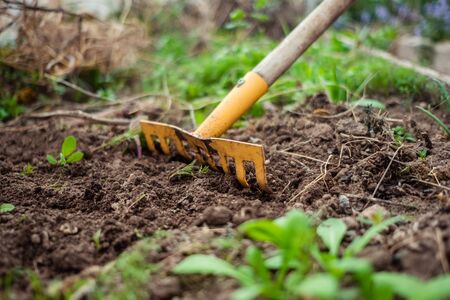
Sowing wildflower seeds is an easy yet impactful family activity—scatter seeds in spring or autumn for vibrant blooms that attract pollinators all season. Assign roles: one person rakes the soil, another scatters seeds, while others gently water the area. Watch as your teamwork blossoms into colourful rewards.
Host Garden Wildlife Hunts
Turn an afternoon into an adventure by searching for different pollinators—who can spot the first bumblebee or ladybird? Use spotter sheets tailored for British gardens to make it educational and competitive in the best way. Afterwards, discuss how your sustainable gardening choices are helping these creatures thrive.
By weaving these interactive activities into your gardening routine, you’ll inspire curiosity about nature and instil eco-friendly habits in young minds—all while creating a vibrant habitat where plants, pollinators, and family memories flourish together.
6. Celebrating Your Sustainable Space
Once your peat-free, pollinator-friendly garden is flourishing, it’s time to celebrate the positive impact you and your family have made together. Take a moment to enjoy the vibrant life in your green space—the gentle hum of bees, the fluttering butterflies, and the joyful colours of wildflowers nurtured by your eco-conscious choices. Gather as a family for picnics among the blooms or start a weekly “nature watch” to spot new visitors. These shared moments help children connect with nature and understand the value of sustainable living.
Don’t keep your achievements to yourselves—spread the inspiration! Invite neighbours and friends round to see how peat-free compost and pollinator-friendly plants can create a haven for wildlife right here in our British gardens. Share seeds, swap gardening tips, or organise a community bug hotel building day at your local park or school. By telling your story on social media or at local events, you’ll encourage others to make greener gardening choices too.
Remember, every small action counts. As more families embrace peat-free compost and plant for pollinators, we can transform our towns and villages into thriving habitats that support both people and wildlife. So step back, admire your handiwork, and feel proud—you’re part of a growing movement for a greener, more sustainable future in the UK.