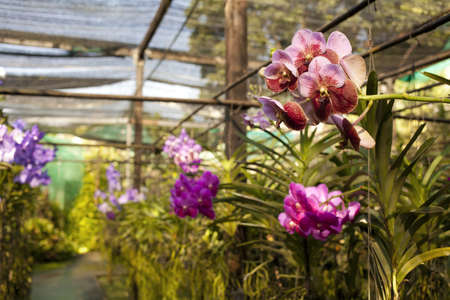
1. Understanding Mould Challenges in UK Greenhouses
Greenhouse growing in the UK is a cherished tradition, whether you’re nurturing delicate orchids, juicy tomatoes, or a variety of other crops. Yet, our famously unpredictable weather—damp winters and mild summers—creates a perfect playground for mould to thrive. Understanding the unique risks faced by greenhouse gardeners is the first step towards effective mould control. In the UK, common culprits like grey mould (Botrytis cinerea), powdery mildew, and downy mildew often pop up, especially in humid, poorly ventilated environments. Orchids, with their love for warmth and humidity, are particularly vulnerable to Botrytis, which can leave unsightly spots on their beautiful blooms. Tomatoes, another greenhouse favourite, are frequently attacked by both grey mould and powdery mildew, risking not only the fruit but also the health of the entire plant. Other crops—such as cucumbers, peppers, and even herbs—can fall victim to these persistent fungi, each bringing their own set of symptoms and challenges. Recognising these threats early and understanding how our local climate contributes to mould outbreaks can empower growers to take proactive steps, whether through organic means or careful use of chemicals. Like a family coming together to tackle a common problem, a little knowledge and teamwork can go a long way in keeping your greenhouse plants thriving and mould at bay.
2. Organic Methods for Mould Prevention
When it comes to keeping our beloved UK orchids, tomatoes, and other greenhouse crops healthy, many British families and growers are discovering that nature-inspired, organic approaches can be both effective and gentle. Let’s explore some practical strategies rooted in traditional wisdom and modern science, all while nurturing a love for plants across generations.
Environmental Controls: Creating the Right Climate
Moulds thrive in damp, poorly ventilated environments. One of the simplest yet most powerful steps is to manage temperature and humidity inside your greenhouse. Open vents or windows on mild days, use fans for air circulation, and water your crops early so leaves dry before dusk. Maintaining a tidy space—removing fallen leaves and debris—also reduces mould-friendly hiding spots.
| Environmental Factor | Recommended Action |
|---|---|
| Humidity | Keep below 70% where possible |
| Ventilation | Open vents/windows daily; use fans as needed |
| Watering Time | Morning to early afternoon only |
Beneficial Companion Planting: Nature’s Teamwork
Companion planting is like encouraging plant friendships—some combinations naturally repel pests or reduce disease risk. For instance, planting marigolds alongside tomatoes can deter unwanted insects, while chives and basil may help keep fungal spores at bay. Orchids appreciate good airflow, so pairing them with low-growing herbs can also reduce excess moisture around their roots.
| Main Crop | Suggested Companions | Potential Benefit |
|---|---|---|
| Tomatoes | Basil, marigold | Mould prevention, pest deterrent |
| Orchids | Low-growing thyme | Improved air circulation, reduced humidity |
The Power of Biological Controls
Instead of reaching for chemical sprays straight away, many UK gardeners now introduce beneficial organisms that naturally suppress moulds and harmful fungi. For example, Trichoderma species (a friendly fungus) or Bacillus subtilis (a helpful bacterium) can be sprinkled onto soil or compost to outcompete moulds without harming your plants—or little hands helping in the garden.
A Family-Friendly Approach
By embracing these organic methods, British families not only protect their crops but also foster a sense of stewardship for the natural world. Children learn first-hand how working with nature can yield beautiful blooms and tasty harvests—lessons as enduring as any family tradition.

3. Safe Chemical Approaches and Regulations
When organic methods alone aren’t enough to keep mould at bay, especially in the unpredictable British climate, local growers turn to chemical treatments as an extra layer of defence for their beloved orchids, tomatoes, and other greenhouse crops. The UK has clear regulations governing what can be used, ensuring safety for both families and the environment.
Approved Fungicides in the UK
For greenhouse crops, only specific fungicides are permitted under UK law. Products containing active ingredients such as copper oxychloride, sulphur, or azoxystrobin are commonly approved for use against common moulds like Botrytis (grey mould) and powdery mildew. These substances are carefully reviewed by the Health and Safety Executive (HSE) before being allowed on the market, with clear labelling and usage instructions provided.
Safe Application Practices
British growers are careful to follow best practices when using chemical controls. Protective gear, such as gloves and masks, is standard when mixing or spraying chemicals. Applications are carried out during calm weather to avoid drift, and always in line with the manufacturer’s recommended dosage—never more than necessary. Children and pets are kept away from treated areas until sprays have dried fully.
Legal Requirements and Record Keeping
The UK’s strict pesticide regulations require that all commercial growers keep detailed records of what products they use, when, and how much. Home gardeners are encouraged to do the same, ensuring traceability and responsible use. Regular training and updates on new regulations help everyone stay compliant and confident that their growing practices are safe for their families—and their communities.
Respecting Withholding Periods
Before harvesting tomatoes or cutting orchid flowers for home display, growers observe withholding periods—waiting times after a chemical application—so residues have time to break down. This ensures that fresh produce is safe to eat and flowers remain gentle on sensitive noses at home.
A Balanced Approach
In British greenhouses, combining safe chemical options with organic techniques isn’t just about following rules; it’s about nurturing healthy plants while protecting people and pollinators alike. By respecting local regulations and using only approved treatments, UK families can enjoy beautiful blooms and bountiful harvests with peace of mind.
4. Combining Approaches: Integrated Management
British growers have discovered that integrating both organic and chemical methods is often the most effective way to protect prized crops like orchids and tomatoes from mould, especially within the unique environments of UK greenhouses. Rather than relying solely on one method, blending these approaches allows for tailored solutions that address the specific needs of each plant and the particular challenges posed by the local climate.
Why Combine Methods?
Organic and chemical measures each offer distinct advantages. Organic methods, such as using beneficial microbes or natural plant extracts, are gentle on the environment and can improve soil health over time. Chemical fungicides, on the other hand, deliver rapid results when outbreaks are severe. By combining both, growers can reduce chemical use, delay resistance development in pathogens, and maintain a healthy ecosystem within their greenhouses.
Tailoring Strategies for UK Conditions
The damp British weather can make greenhouses especially prone to mould. Thus, integrated management is not a one-size-fits-all solution; instead, it encourages observation and adaptation. For example, a grower might introduce neem oil sprays during early spring as a preventative organic measure, but keep a mild synthetic fungicide on hand should conditions suddenly turn more humid and fungal pressure spike.
Example: Integrated Mould Management Plan
| Stage | Organic Approach | Chemical Approach | Adaptation for UK Greenhouses |
|---|---|---|---|
| Prevention | Increase ventilation, use compost teas | None typically needed | Install automatic vents for British weather shifts |
| Early Detection | Monitor with sticky traps, encourage beneficial insects | Spot spray with low-toxicity fungicide if needed | Check plants after wet spells common in UK springs |
| Treatment | Apply natural oils (e.g., neem) or bicarbonate solutions | Use targeted systemic fungicide for outbreaks | Select products approved for UK greenhouse crops |
| Recovery & Follow-up | Add organic mulch to boost plant resilience | Reduce chemical applications as symptoms subside | Plan crop rotations suited to British seasons |
The art of successful mould control in UK greenhouses lies in thoughtful integration. Like nurturing a child’s curiosity about the wonders of nature, growers who blend science and tradition—chemical and organic—create an environment where crops flourish. Each greenhouse is unique; by observing plant responses and adjusting strategies accordingly, British growers can ensure a bountiful harvest while preserving the harmony between people, plants, and place.
5. Practical Tips for Families and Gardeners
Fostering Curiosity: Plant-Inspired Wisdom
Whether you’re tending to delicate orchids, juicy tomatoes or other greenhouse favourites, involving the whole family makes plant care a joyful journey. Share stories with your children about how plants “talk” to us—wilting leaves may signal thirst, while fuzzy mould patches whisper a need for attention. Encourage little ones to become plant detectives, peering under leaves and around stems for signs of trouble, just like botanists in a British garden adventure.
Hands-On Activities for Little Green Thumbs
The Mould Patrol Game
Transform mould-spotting into a fun family game! Arm your children with magnifying glasses (or even just their sharp eyes) and challenge them to find early signs of powdery mildew or botrytis on greenhouse crops. Keep a simple “plant health diary” together—jot down any discoveries and what actions you took, whether misting less or gently removing affected leaves. This not only teaches observation skills but also responsibility and teamwork.
Mixing Natural Solutions Together
Invite children to help make gentle organic sprays using household ingredients like baking soda or milk, perfect for UK tomatoes and orchids. Mix these up safely (always with adult supervision) and let kids carefully spray the plants. Celebrate their efforts by drawing “before and after” pictures, reinforcing how small actions can make a big difference in keeping plants happy and healthy.
Creating a Nurturing Greenhouse Space
Make your greenhouse a haven for both plants and people. Set up a cosy reading corner with plant-themed books, so rainy British afternoons are filled with nature-inspired stories. Use child-friendly labels on each plant, sparking curiosity about names and origins. Encourage gentle touch and respectful interaction with living things—just as we nurture each other in our families, so too do we nurture our leafy companions.
A Family Tradition Rooted in Care
By sharing these practical tips and playful activities, you not only safeguard your greenhouse crops from mould but also grow resilient family bonds. Let each visit to your greenhouse be an opportunity to discover, learn, and cherish the wonder of life—together, hand-in-hand, one seedling at a time.
6. Resources and Support for UK Growers
If you’re keen to dive deeper into safe and effective mould control—whether your passion is nurturing orchids on a sunny windowsill or raising robust tomatoes in a bustling greenhouse—the UK offers a wealth of organisations, networks, and reading materials tailored just for you. Here are some top resources to help you grow with confidence.
British Organisations for Greenhouse Growers
- The Royal Horticultural Society (RHS): Offers expert advice, disease alerts, and guidance on both organic and chemical approaches to plant care. Visit RHS
- National Farmers’ Union (NFU): Provides updates on agricultural policy, plant health, and best practice guides relevant to commercial growers. Visit NFU
- Garden Organic: The UK’s leading charity for organic growing, offering practical tips and research-based solutions for mould management. Visit Garden Organic
- The Orchid Society of Great Britain: A supportive community for orchid enthusiasts, with specialist knowledge on disease prevention and treatment. Visit Orchid Society GB
Support Networks & Forums
- Grow Your Own Forum: Connects amateur and professional growers across the UK to share experiences, swap advice, and troubleshoot mould issues together.
- British Tomato Growers Association (BTGA): Dedicated to supporting tomato producers with up-to-date information on pest and disease control.
- Local Allotment Societies: Many UK towns have active allotment groups where members exchange tips on managing common greenhouse problems organically and safely.
Further Reading & Guidance
- “Pest and Disease Control Handbook” by the RHS: A trusted reference for understanding the nuances between organic and chemical treatments.
- DEFRA’s Guidelines on Pesticide Use: For those using chemical solutions, DEFRA provides clear rules and safety measures—essential reading for all UK growers.
- The Soil Association’s Organic Standards: Helps clarify what is truly organic when it comes to tackling mould in edible crops.
Cultivating Confidence Together
No matter your level of experience, remember that you’re not alone. By tapping into these UK-centric resources and sharing your journey with others, you can foster healthier crops—and a more resilient growing community—season after season.