Understanding the Importance of Pollinators and Birds in the British Garden
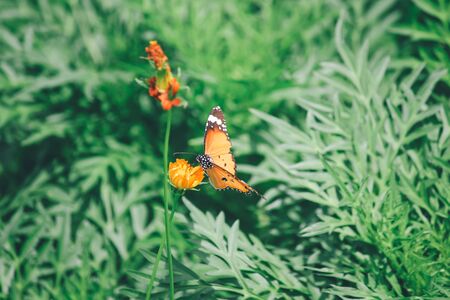
Have you ever paused with your children to listen to the gentle hum of bees or marvelled at a blackbird’s cheerful song over your morning cuppa? In every corner of the UK, birds, bees, butterflies, and other pollinators quietly support the health and beauty of our gardens. These wonderful creatures are much more than delightful visitors; they are the unsung heroes that keep our backyards blooming and our ecosystems balanced. By transferring pollen between flowers, bees and other pollinators ensure that many of our favourite plants—from fragrant lavender to juicy strawberries—can set fruit and seed. Birds, meanwhile, help control pests, disperse seeds, and add vibrant life to our outdoor spaces. Teaching little ones about these vital garden guests opens their eyes to nature’s teamwork right outside the kitchen window. Nurturing pollinators and birds isn’t just good for wildlife—it makes our gardens richer, more colourful, and bursting with life, connecting us all to the wonderful web of British biodiversity.
Choosing Native British Plants to Attract Wildlife
When it comes to creating a thriving, nature-friendly garden, choosing native British plants is one of the most meaningful steps you can take. Not only do these plants provide essential food and shelter for local pollinators and birds, but they also blend harmoniously with the landscape you call home. Let’s explore some of the best indigenous flowers, shrubs, and trees to support wildlife in your garden all year round.
Why Native Plants Matter
Native plants have evolved alongside local wildlife, forming unique relationships with bees, butterflies, birds, and other creatures. By planting these species, you ensure that your garden becomes a reliable source of nourishment and refuge—think of it as inviting friends over who feel truly at home! Plus, native plants are often easier to care for since they’re already suited to Britain’s climate and soil.
Top Picks for Every Season
To keep your garden buzzing and singing from spring through winter, choose a variety of native plants that offer food and shelter at different times. Here’s a handy table to guide your selection:
| Season | Flowers | Shrubs | Trees |
|---|---|---|---|
| Spring | Cowslip, Primrose | Blackthorn | Rowan |
| Summer | Foxglove, Red Campion | Elderflower | Hawthorn |
| Autumn | Ivy (flowers late), Devil’s-bit Scabious | Dog Rose | Field Maple |
| Winter | (Few in bloom) | Holly (berries) | Silver Birch (seeds) |
Family Tip: Garden Together!
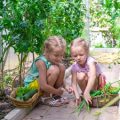
If you’re gardening with children, let them pick their favourite colours or shapes from these native options. Planting together is not just fun—it’s a lovely way to nurture both little ones and little seedlings.
A Final Thought—Small Changes Make Big Differences
You don’t need acres of space; even a modest patch or window box planted with native species can become a lifeline for local wildlife. As each plant grows, so does the web of life in your backyard—reminding us that every leaf and flower plays its part in our shared story with nature.
3. Designing Bird- and Pollinator-Friendly Spaces
When it comes to nurturing a garden that buzzes with life and birdsong, the way you structure your green space can make all the difference. In the spirit of classic British gardens, think beyond neat lawns and explore adding layers of natural interest that welcome wildlife in. Start by introducing hedges—traditional favourites like hawthorn or blackthorn serve as living boundaries, offering shelter, nesting nooks, and a buffet of berries for songbirds and pollinators alike. Don’t be afraid to let these hedges grow a little wild; their tangled branches are a safe haven for many small creatures.
Ponds: A Splash of Life
Every family garden, no matter its size, can benefit from a small pond. Even a modest water feature attracts frogs, newts, dragonflies, and thirsty bees or butterflies on sunny days. Place stones or logs at the edges so birds can perch safely while sipping, and avoid using chemicals in or around your pond to keep this mini-ecosystem healthy for all its visitors.
Wildflower Patches: Nature’s Welcome Mat
If you’ve ever watched children delight in chasing butterflies across a meadow, you’ll know the joy a wildflower patch can bring. Planting native species such as oxeye daisy, red clover, or cornflower not only adds colour but also provides vital nectar for bees and butterflies throughout the year. Allow some grass to grow long in corners; this creates cover for insects and seeds for finches and sparrows come autumn.
Nesting Opportunities
Encourage feathered friends to set up home by hanging bird boxes in quiet spots away from busy play areas. You might even work together as a family to build simple bug hotels out of hollow stems or stacked logs—perfect projects for curious young gardeners! By weaving these features into your garden design, you create an ever-changing classroom where children learn first-hand how every hedge, pond, and flower supports the web of life right outside your door.
4. Sustainable Gardening Practices for Biodiversity
Creating a biodiverse and vibrant garden for pollinators and birds is not just about what you plant; it’s also about how you care for your outdoor space. Adopting sustainable gardening practices ensures your garden thrives as a true haven for wildlife, while nurturing the environment for generations to come. Here are some environmentally-friendly techniques you can embrace, inspired by both nature’s wisdom and traditional British values of stewardship:
Composting: Nature’s Recycling Scheme
Composting is a simple yet powerful way to recycle kitchen scraps and garden waste into nutrient-rich soil. This not only reduces landfill waste but also nourishes your plants naturally. Involving children in turning the compost heap is a brilliant way to teach them about life cycles and responsibility—just like watching seeds sprout or birds build their nests.
Benefits of Composting
| Benefit | Description |
|---|---|
| Reduces Waste | Keeps kitchen and garden waste out of landfill. |
| Improves Soil Health | Adds nutrients and improves soil structure for healthy roots. |
| Encourages Wildlife | Provides habitat for worms, beetles, and microbes. |
Water Conservation: Every Drop Counts
With the unpredictability of British weather, conserving water is essential. Collecting rainwater in water butts is a classic approach—perfect for topping up birdbaths or watering borders during dry spells. Mulching around plants helps retain moisture and keeps the soil cool, while also providing shelter for beneficial insects. Encourage little ones to help with watering; they’ll love filling up tiny cans and seeing which flowers need a drink after a sunny day.
Water-Saving Tips
| Tip | How It Helps |
|---|---|
| Use Water Butts | Catches rainwater for later use, reducing mains water use. |
| Mulch Beds | Keeps moisture in the soil and suppresses weeds. |
| Water at Dawn or Dusk | Minimises evaporation and gives plants time to absorb moisture. |
Organic Gardening: Gentle on Nature
Avoiding harsh chemicals protects bees, butterflies, birds, and even hedgehogs who might visit your patch. Embrace natural pest control methods like encouraging ladybirds or using companion planting—pairing marigolds with vegetables to deter aphids, for example. Teaching children to spot friendly insects fosters curiosity about the web of life thriving just outside your back door.
Together, these green practices not only make your garden safer for pollinators and birds but also set an inspiring example of mindful living. Your backyard becomes more than just a play space—it transforms into a living classroom where every member of the family learns from nature’s gentle rhythms.
5. Creating and Maintaining Bird and Insect Habitats
One of the most heartwarming ways to encourage wildlife in your British garden is by providing safe havens for birds and insects. This not only supports local biodiversity but also offers wonderful opportunities for families to observe nature up close. Here are some practical tips to get you started:
Bird Boxes: Welcoming Feathered Friends
Installing bird boxes is a delightful way to invite native birds such as robins, blue tits, and sparrows into your garden. Choose a box made from untreated wood with a small entrance hole to protect chicks from predators. Place it high on a wall or mature tree, facing away from prevailing winds (usually north-east), and at least two metres above ground. Remember to clean out old nests each autumn to keep future residents healthy.
Bug Hotels: A Cosy Retreat for Insects
Bug hotels are creative structures that offer shelter to beneficial insects like ladybirds, solitary bees, and lacewings. You can build one together as a family using recycled materials—think bamboo canes, hollow stems, pinecones, and bits of bark layered inside an old wooden crate or pallet. Place your bug hotel in a quiet corner of the garden where it will stay dry and undisturbed, providing year-round refuge for pollinators and pest-controllers alike.
Safe Water Sources: Hydrating Wildlife
No wildlife-friendly garden is complete without fresh water. A simple bird bath or shallow dish filled with clean water will attract both birds and insects, especially during warmer months. If you’re feeling adventurous, even a small pond can become a bustling hub of activity—just be sure to add stones or gentle slopes so creatures can safely access and exit the water. Change the water regularly to prevent stagnation.
Family Tip: Observe and Learn Together
Encourage children to take part in maintaining these habitats—cleaning bird boxes, topping up water sources, or recording the species they spot. These shared moments foster curiosity about nature while nurturing a sense of responsibility for the living things we share our gardens with. By making your garden welcoming for both birds and insects, you create a vibrant mini-ecosystem right outside your door—one that inspires wonder in every member of the family.
6. Getting the Whole Family Involved: Garden Activities for Children
One of the most rewarding aspects of creating a biodiverse backyard is sharing the experience with your children. Engaging young ones in hands-on gardening projects and wildlife-spotting activities not only encourages their curiosity, but also fosters a lifelong respect for nature and its many wonders.
Planting Together: Sowing Seeds of Wonder
Invite your children to help sow native wildflower seeds or create a sunflower patch. These vibrant blooms are magnets for bees and butterflies, offering a practical lesson in pollination. Provide child-sized tools and let them dig, water, and watch as their efforts transform into colourful havens for visiting insects.
Building Bug Hotels and Bird Feeders
Constructing simple bug hotels from recycled materials or assembling homemade bird feeders is an excellent way for little hands to get creative. As you work together, chat about the importance of providing shelter and food for garden visitors, using everyday language to spark conversations about biodiversity.
Wildlife Spotting: Becoming Backyard Explorers
Equip your children with a notebook and encourage them to keep a garden diary. Challenge them to spot different bees, butterflies, or birds throughout the seasons, noting colours, sounds, and behaviours. This turns every day outdoors into a mini-adventure, nurturing observational skills and patience.
Learning Through Play: Nature-Based Games
Incorporate games such as “pollinator bingo” or scavenger hunts focused on finding specific plants or creatures. These playful activities make learning about local species fun and memorable, reinforcing knowledge in a gentle, joyful way.
Cultivating Care and Responsibility
By involving children in regular tasks—watering plants, topping up bird baths, or collecting fallen leaves for compost—you give them ownership of the garden’s wellbeing. Celebrate small successes together, like the first butterfly sighting or a robin’s nest in spring. With each shared moment, you’re planting seeds of care that will flourish for years to come.