Introduction to Low-Maintenance Edging
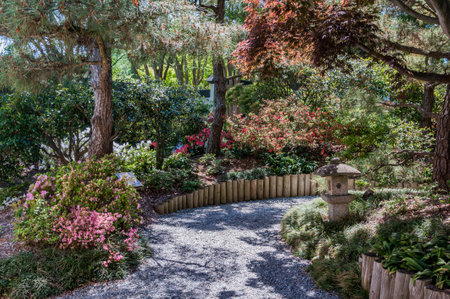
When it comes to keeping a British garden looking smart and tidy, edging plays a quietly important role. With our famously unpredictable weather and the lushness it brings, maintaining crisp borders can become a real chore if you’re not careful. That’s why low-maintenance edging is such an attractive prospect for gardeners up and down the UK. The typical British lifestyle, often packed with work commitments and family life, means few of us have the luxury to spend hours every weekend trimming lawn edges or weeding intricate borders. At the same time, many of us hold dear the tradition of well-kept gardens that reflect pride in our homes—a legacy passed down through generations. Low-maintenance edging solutions offer a way to preserve that classic look while freeing up precious time, allowing us to enjoy our gardens rather than constantly working in them. Whether your plot is a cosy city courtyard or a sprawling country lawn, choosing the right kind of border can make all the difference when it comes to balancing beauty and ease.
Traditional British Materials for Easy Upkeep
When it comes to low-maintenance edging in British gardens, nothing quite compares to the timeless appeal of traditional materials like brick, stone, and reclaimed cobbles. These classics have graced garden borders for centuries across the UK, blending seamlessly with both period homes and modern spaces while standing up to our famously unpredictable weather. Their enduring popularity isnt just down to good looks—these materials offer solid durability and minimal fuss when it comes to upkeep.
| Material | Appearance | Durability | Maintenance Needs | Distinctive Charm |
|---|---|---|---|---|
| Brick | Warm, rustic red tones; classic British cottage feel | High; resistant to frost and rain when laid properly | Occasional weeding and re-pointing; moss adds character over time | Easily forms curves or straight lines; evokes nostalgic charm |
| Stone | Natural hues from grey to honey; blends with local landscapes | Very high; withstands heavy use and harsh conditions | Minimal; may require repositioning if stones settle unevenly | Ages beautifully, develops patina, fits seamlessly in heritage gardens |
| Reclaimed Cobbles | Varied shapes and colours; authentic old-world look | Exceptional; proven to last generations in UK streets & paths | Low; simple cleaning if needed, moss often welcomed for effect | Adds historic character, each cobble tells its own story |
If you’re after a border that will weather the seasons with dignity, these materials are a wise choice. Brick edges are particularly popular in cottage gardens, forming neat lines or gentle curves that keep lawns tidy without constant attention. Stone edging, whether dry-laid or set in mortar, offers a more organic look and is well-suited to both formal parterres and informal country gardens. Reclaimed cobbles bring a touch of history—perfect for those who appreciate a garden with character and stories woven into every detail.
Selecting any of these traditional options means investing in longevity: they rarely need more than the odd bit of weeding or re-setting, allowing you to spend less time on maintenance and more time enjoying your outdoor space. For many British gardeners who value both aesthetics and practicality, these tried-and-tested materials remain top picks for a reason.
3. Modern Edging Solutions
If you’re after a fuss-free garden that doesn’t demand your constant attention, modern edging solutions are definitely worth considering. These contemporary options not only provide a crisp and tidy finish to your borders but also stand up beautifully to the unpredictable British weather. For starters, recycled plastic edging is gaining popularity in UK gardens. It’s robust, won’t rot or splinter like timber, and needs barely any maintenance—just the occasional wipe-down if you’re feeling particular. Plus, it’s an eco-friendly choice that makes good use of materials that would otherwise end up in landfill.
Another option well-suited to our damp climate is metal edging. Whether you choose steel or aluminium, these sleek strips offer a sharp definition to lawns and beds while resisting rust and corrosion thanks to protective coatings. Metal edging slips almost invisibly into your borders, giving a modern look without overshadowing your plants.
Composite edging is another smart solution for those seeking longevity with little effort. Blending wood fibres with recycled plastics, composite boards mimic the look of natural timber but won’t warp, split, or require regular staining. They’re perfect for British gardens where rain and frost can take their toll on traditional materials. With so many colours and profiles available these days, it’s easy to find something that matches your garden style.
Choosing one of these low-maintenance materials means you’ll spend less time fiddling with repairs and more time enjoying your outdoor space—just how we like it here in Blighty.
Plant-Based and Green Edging Ideas
When it comes to creating that quintessential British garden feel, few things evoke the charm of a cottage garden more than lush, living borders. Plant-based edging not only softens hard lines but also brings texture, colour, and seasonal interest to your outdoor space. For those who value both tradition and ease, there are several low-maintenance green edging options well-suited to the UK climate.
Dwarf Box (Buxus sempervirens ‘Suffruticosa’)
Dwarf box remains a favourite for classic British gardens, offering neat evergreen structure year-round. Its slow growth rate means minimal trimming—usually just once or twice a year is sufficient. Dwarf box can be shaped into crisp lines or gentle curves, making it ideal for both formal beds and winding cottage borders.
Thyme and Creeping Herbs
If you’re after a more relaxed look with added sensory appeal, thyme and other creeping herbs like creeping Jenny or woolly thyme are delightful alternatives. Not only do they spill softly over pathways, but they also release fragrance when brushed against. These hardy herbs require little more than the occasional tidy-up and thrive in well-drained soil—perfect for Britain’s varied weather.
Common Living Edging Plants in British Gardens
| Plant | Appearance | Maintenance Needs | Traditional Use |
|---|---|---|---|
| Dwarf Box | Small, glossy evergreen leaves; dense habit | Trim 1-2 times per year | Formal parterres, classic borders |
| Creeping Thyme | Low-growing mat; purple/pink flowers in summer | Minimal; occasional trim after flowering | Cottage garden paths, rockeries |
| Creeping Jenny (Lysimachia nummularia) | Trailing stems; bright green/yellow foliage | Cut back to control spread if needed | Pond edges, informal borders |
| Lavender (compact varieties) | Narrow grey-green leaves; purple flower spikes | Prune lightly after flowering | Knot gardens, scented edges |
Tried-and-Tested Advice from Seasoned Gardeners
If you’re new to plant-based edging, start with small sections and see how each plant fares in your soil type and local conditions. Mixing different living edgings can create a tapestry effect—just as old English gardeners did in their time-honoured plots. Choose robust varieties suited to your region and don’t be afraid to let them mingle for that authentic cottage garden spirit. With these low-fuss choices, you’ll enjoy beautiful boundaries without endless upkeep.
5. Installation Tips and Long-Term Care
Getting your garden edging right from the start can save you a great deal of hassle down the line, especially when faced with the unpredictable British weather. Here’s some practical advice that will help ensure your low-maintenance edging stands the test of time.
Preparation is Key
Before laying any edging material, take time to clear the area thoroughly. Remove weeds, stones, and roots to create a level base. In Britain’s often damp conditions, proper drainage is essential—add a layer of sharp sand or gravel beneath your edging to prevent waterlogging and frost heave during winter months.
Laying Edging Materials Efficiently
For timber or composite edging, use treated materials to resist rot. Mark out your lines with string and pegs for straight edges, or lay out a hosepipe if you prefer gentle curves. When installing bricks or pavers, tap them firmly into position with a rubber mallet and fill any gaps with sand to lock them in place. With flexible plastic or metal strips, secure them with strong stakes at regular intervals, especially on uneven ground.
Weather-Proofing Your Edging
The UK’s wet winters and occasional heatwaves mean that materials can shift or degrade if not properly installed. For stone or concrete edging, consider using a concrete haunch at the base for extra stability. Wooden edging benefits from an annual treatment with a wood preservative, particularly before autumn sets in.
Minimal Effort Maintenance
Once installed, most low-maintenance options require only occasional attention. Keep borders clear of encroaching grass by running a half-moon edger along the line once or twice a year. Sweep debris off hard surfaces after storms and check for signs of movement following heavy rain or frost. A quick inspection every few months will nip potential problems in the bud, letting you enjoy tidy borders with hardly any fuss.
By following these straightforward steps and giving your garden edging just a little seasonal attention, you’ll ensure it remains both practical and attractive through all manner of British weather—leaving you more time to enjoy your garden, come rain or shine.
6. Common Pitfalls and How to Avoid Them
Even the most seasoned British gardeners will admit that choosing low-maintenance edging isn’t always as straightforward as it seems. Over the years, I’ve seen neighbours, friends, and even myself fall into a few classic traps—so here’s some hard-earned advice, passed down through generations, to help you steer clear of common mistakes.
Ignoring Drainage Needs
One lesson you’ll hear in every village from Cornwall to Cumbria: never underestimate the British rain. Many edging materials, especially those like bricks or stone set flush to the soil, can inadvertently block water flow if not installed with drainage in mind. The result? Soggy borders and unhappy plants. Always make sure your chosen edging allows for proper runoff—raise it slightly or leave small gaps for water escape.
Choosing Materials That Don’t Suit Your Soil
We all love a bargain at the local garden centre, but picking up whatever’s on offer isn’t always wise. For example, timber may rot quickly in heavy clay soils or shaded spots, while metal edgings can rust if your soil is particularly acidic. Ask around—see what’s lasted longest in gardens nearby before making your choice.
Overcomplicating Design
The temptation to create elaborate curves or intricate patterns is strong, but simplicity truly is the hallmark of a low-maintenance border. Complex shapes are harder to mow around and edge neatly. Straight lines or gentle curves are far easier to keep tidy year after year—something my grandad always insisted upon after wrestling with his lawn shears!
Neglecting Regular Checks
Even “maintenance-free” options need a yearly look-over. Roots can push up brick or stone; plastic edgings can crack after frosts; mulch borders might spill into lawns during storms. Take a stroll round your garden each spring and autumn—it’s an old-school habit that pays off by nipping problems in the bud before they grow.
Underestimating Wildlife Impact
Low-maintenance shouldn’t mean unfriendly to wildlife. Concrete and metal edgings may deter helpful creatures like hedgehogs or frogs from crossing into your flower beds. Where possible, opt for natural materials or leave small gaps so these visitors can pass through unhindered—a little consideration that keeps your garden part of the wider ecosystem.
In summary, learn from those who have dug before you: pay attention to local conditions, keep things simple, check edges regularly, and remember that a successful border works with nature rather than against it. With these tips in mind, your British garden edging will stand the test of time—and weather—without constant fuss.