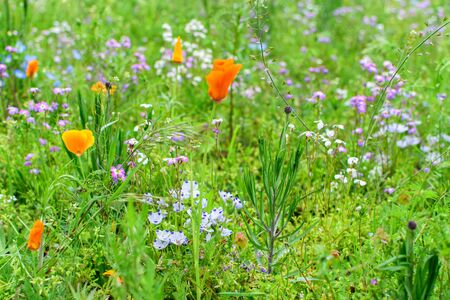
Introduction to Lawn Alternatives
Traditional British lawns have long been celebrated as a hallmark of the quintessential garden, characterised by their neatly mown appearance and uniform green expanse. However, there is a growing awareness in the UK regarding the environmental impact of conventional lawn maintenance, which often relies on frequent mowing, chemical treatments, and significant water usage. This shift in perspective has sparked increased interest in sustainable alternatives that support local ecosystems. Among these alternatives, wildflower meadows have emerged as a particularly attractive option, offering both aesthetic charm and substantial ecological benefits. By reducing the reliance on intensive upkeep and encouraging greater biodiversity, wildflower meadows present an opportunity to transform ordinary lawns into vibrant habitats for pollinators such as bees. This movement reflects a broader trend within British gardening culture towards more environmentally conscious practices that prioritise the health of both gardens and the wider natural world.
2. Why Wildflower Meadows?
Wildflower meadows offer significant ecological advantages, especially when compared to traditional lawns. Unlike closely mown grass which provides minimal habitat and nectar, wildflower meadows create a biodiverse environment teeming with life. This is particularly vital for supporting the UK’s native bee populations and other pollinators such as butterflies, moths, and hoverflies. As these insects face declining numbers due to habitat loss and pesticide use, wildflower meadows emerge as crucial refuges.
Ecological Benefits of Wildflower Meadows
| Benefit | Description | Impact on Bees & Pollinators |
|---|---|---|
| Diverse Food Sources | A variety of native wildflowers bloom throughout the seasons, providing continuous nectar and pollen. | Ensures bees and other pollinators have sustenance year-round, supporting colony health and population growth. |
| Habitat Creation | Wildflower meadows offer shelter and breeding grounds for insects, birds, and small mammals. | Encourages nesting and reproduction for solitary bees and bumblebees native to the UK. |
| Pesticide Reduction | Meadows require fewer chemicals than traditional lawns. | Reduces harm to sensitive pollinator species caused by chemical exposure. |
| Soil Health Improvement | The deep roots of meadow plants help aerate soil and increase organic matter. | A healthy soil ecosystem supports underground pollinators like beetles. |
Supporting UK’s Native Pollinators
Many UK wild bee species, including the red mason bee (Osmia bicornis) and buff-tailed bumblebee (Bombus terrestris), rely on diverse floral resources for survival. Traditional lawns often fail to meet their needs, whereas wildflower meadows replicate natural habitats lost through urbanisation and intensive agriculture. By choosing lawn alternatives such as wildflower meadows, homeowners can make a tangible contribution to biodiversity conservation in their local area.

3. Selecting Suitable Wildflowers for the UK Climate
When creating a wildflower meadow as a lawn alternative in Britain, selecting the right species is essential for ensuring long-term success and ecological resilience. Native wildflowers are best suited to local conditions, supporting pollinators like bees while requiring less maintenance compared to non-native alternatives.
Understanding Local Conditions
The UK features diverse climates and soil types, from chalky downlands in the South to peaty uplands in Scotland. Before choosing your wildflower mix, assess your garden’s sunlight levels, drainage, and soil pH. Many seed suppliers offer region-specific mixes or provide advice based on your postcode.
Key Native Wildflower Species
Certain native species perform exceptionally well across a range of British environments. Popular choices include Oxeye Daisy (Leucanthemum vulgare), Red Clover (Trifolium pratense), Knapweed (Centaurea nigra), Common Poppy (Papaver rhoeas), and Bird’s-foot Trefoil (Lotus corniculatus). These plants not only thrive in varying soils but also provide crucial forage for bees and other pollinators throughout the season.
Soil Type Recommendations
If you have heavy clay soil, consider including Lesser Knapweed, Sorrel, and Ladies Bedstraw. For sandy soils, Sheep’s Fescue, Viper’s Bugloss, and Field Scabious are excellent options. On chalk or limestone, try Cowslip, Musk Mallow, and Wild Marjoram.
Ensuring Biodiversity and Meadow Resilience
Diverse mixtures not only look attractive but also ensure year-round habitat and food sources for wildlife. Aim for at least 15–20 different wildflower species in your meadow to create a robust, dynamic ecosystem that can withstand pests, diseases, and weather fluctuations common in the UK.
By selecting appropriate native wildflowers tailored to your local climate and soil type, you lay the foundation for a vibrant meadow that supports bees and delivers enduring natural beauty with minimal intervention.
4. Preparing and Planting Your Meadow
Step-by-Step Guide to Meadow Transformation
Transforming a traditional lawn into a vibrant wildflower meadow is a rewarding process that benefits both bees and biodiversity. Follow these essential steps to ensure a successful transition tailored for UK gardens.
Step 1: Lawn Removal and Soil Preparation
Begin by removing the existing grass and weeds. This can be achieved through:
- Sod Cutting: Use a spade or turf cutter to lift the grass, exposing bare soil.
- Sheet Mulching: Smother grass with cardboard or thick newspaper, then cover with compost; leave in place for several weeks.
The goal is to reduce soil fertility, as wildflowers thrive in low-nutrient environments. Avoid adding fertilisers, and consider lightly raking or scarifying the soil surface to create good seed-to-soil contact.
Step 2: Sowing Wildflower Seeds
Select native British wildflower mixes suitable for your region. Consider annuals for quick colour or perennials for long-term sustainability. Sow seeds from March to May or late August to October for best results.
| Sowing Method | Instructions | Best For |
|---|---|---|
| Broadcast Sowing | Scatter seeds evenly by hand; lightly rake over the area. | Larger areas, informal meadows |
| Drill Sowing | Create shallow grooves with a rake, sow seeds, then cover lightly. | Small patches, defined borders |
| Plug Planting | Insert young wildflower plants directly into pre-prepared soil. | Poor soils, targeted species introduction |
Step 3: Seasonal Tips and Ongoing Care
- Spring: Monitor germination; keep the area moist if dry spells occur.
- Summer: Allow plants to establish; avoid mowing until after flowering and seed set (usually late July/August).
- Autumn: Cut back growth to 5-10cm high; remove clippings to prevent nutrient build-up.
Local Advice for UK Gardeners
Avoid rich composts and choose seed mixes from reputable British suppliers to ensure ecological compatibility. With patience and careful preparation, your garden will soon become a haven for bees and other pollinators.
5. Caring for and Maintaining a Wildflower Meadow
Establishing a thriving wildflower meadow as an alternative to a traditional lawn is just the beginning; regular, thoughtful maintenance is essential to ensure your meadow remains healthy and beneficial for bees throughout the year. Proper care, tailored to the UK’s seasonal gardening calendar, will help you control unwanted plants, promote biodiversity, and keep your wildflowers flourishing.
Seasonal Maintenance Guidelines
Spring: As new growth appears, inspect your meadow for any overly competitive grasses or invasive weeds such as docks or nettles. These can be spot-removed by hand to give wildflowers a better chance to thrive. Avoid mowing in spring unless necessary to control annual weeds before they set seed.
Summer: The summer months are crucial for flowering and pollinator activity. Delay major mowing until after most wildflowers have set seed—typically late July or August in the UK. This ensures bees and other insects can benefit from the blooms while also allowing seeds to disperse naturally for next year’s growth.
Autumn: After the main flowering period, cut back the meadow using a strimmer or scythe to about 5–10 cm in height. Leave the cuttings on the surface for a few days so seeds can drop, then remove them to prevent excess nutrients returning to the soil—a key step for maintaining species diversity.
Winter: Minimal intervention is needed during winter. Resist the urge to tidy up too much; leaving some plant debris provides shelter for overwintering insects and helps maintain ecological balance.
Mowing Routines
The timing and method of mowing are central to successful meadow management. For most wildflower meadows in the UK, one main cut per year after seeding is ideal. In richer soils or more vigorous meadows, an additional light spring cut may help suppress grass dominance and encourage flower diversity.
Controlling Unwanted Plants
Vigilance is key when it comes to invasive species or aggressive weeds. Hand-pulling or targeted spot treatment in early spring and after mowing can help maintain balance without resorting to herbicides that may harm pollinators.
Encouraging Biodiversity
Diversify your planting with native UK wildflower species suited to your soil type. Rotate areas of cutting so some patches always offer habitat and food sources for wildlife. Incorporating features like log piles or bare ground can further support bees, butterflies, and other beneficial insects throughout the seasons.
By following these tailored maintenance routines, you can create a resilient wildflower meadow that not only looks beautiful but also plays a vital role in supporting local bee populations and overall biodiversity within your garden landscape.
6. Supporting Local Wildlife Beyond Bees
While wildflower meadows are well known for their crucial role in supporting bee populations, their benefits extend far beyond pollinators. By replacing traditional lawns with diverse native flora, British gardeners can foster rich habitats that support a wide range of wildlife.
Creating a Haven for Insects and Invertebrates
Wildflower meadows attract an impressive variety of insects, including butterflies, beetles, moths, and ladybirds. These species rely on specific plants for food and breeding sites, which conventional turf simply cannot provide. The presence of such insects not only adds vibrancy to gardens but also forms the foundation of local food chains.
Encouraging Birds and Small Mammals
The abundance of seeds, berries, and insects found within a wildflower meadow draws in birds such as goldfinches, sparrows, and robins. Many small mammals, like hedgehogs and voles, find shelter amongst the longer grasses and dense vegetation. This increased biodiversity helps maintain balanced garden ecosystems throughout the year.
Enhancing Ecosystem Health
By supporting a wider array of native species, wildflower meadows contribute to healthier soils, improved pest control through natural predators, and greater resilience against environmental changes. They promote ecological harmony by fostering interconnected relationships between plants and animals, ensuring that British gardens remain thriving sanctuaries for local wildlife well beyond bees.