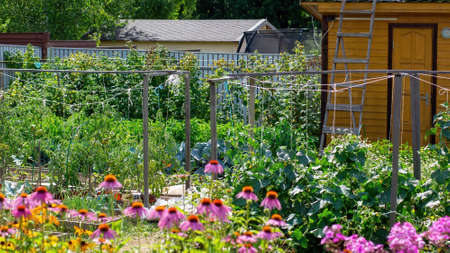
Introduction to Composting for Allotments
If you’re growing fruit and veg on a UK allotment, compost is the unsung hero behind every flourishing bed. Whether you’re a seasoned plot holder or just getting started, understanding the basics of composting is essential. Good compost feeds your soil, improves its structure, and boosts yields without the need for chemical fertilisers. In Britain, where weather and soil types can vary from one allotment site to another, using compost wisely makes all the difference. Healthy soil is at the heart of every successful allotment because it provides plants with the nutrients and support they need to thrive. As we explore the pros and cons of homemade versus shop-bought compost, it’s important to remember that the ultimate goal is vibrant, productive beds season after season.
Homemade Compost: The Pros and Cons
Making your own compost is a time-honoured tradition on UK allotments, offering both practical and sustainable benefits. Many gardeners find it rewarding to recycle garden and kitchen waste into rich, nutritious compost for their beds. Below, we’ll explore the main advantages of homemade compost, suitable materials, and the common challenges British gardeners often encounter.
The Benefits of Homemade Compost
| Benefit | Description |
|---|---|
| Cost-effective | Reduces the need to purchase shop-bought compost or soil conditioners. |
| Sustainable | Minimises green waste by reusing garden clippings, vegetable peelings, and other organic matter. |
| Customisable | You control what goes in, ensuring no unwanted chemicals or peat are added. |
| Improved Soil Health | Adds valuable nutrients and organic matter, improving soil structure and water retention. |
What Can You Compost?
UK gardeners can make use of a wide range of materials commonly found at home or on the allotment. Here’s a handy guide:
| Suitable Materials | Avoid These |
|---|---|
| Fruit & veg peelings Grass cuttings Tea bags (plastic-free) Eggshells Coffee grounds Cardboard & paper (shredded) |
Cooked food Meat & dairy Weeds with seeds Diseased plants Glossy paper |
Common Challenges for UK Gardeners
- Compost Heap Management: Inconsistent layering or lack of aeration can slow decomposition. Turning the heap regularly helps.
- Pests: Food scraps may attract rats or foxes if not managed well. Use secure bins and avoid adding animal products.
- Weather Issues: Wet British weather can lead to soggy compost, while dry spells slow down breakdown. Covering heaps and balancing green/brown materials is key.
In summary, homemade compost offers many benefits for allotment holders but does require time, attention, and a bit of know-how to get right. When managed well, it’s a cost-effective and eco-friendly way to nourish your plot all year round.

3. Shop-Bought Compost: Convenience and Considerations
When it comes to tending your allotment beds, shop-bought compost is often the go-to choice for many British gardeners. One of its biggest advantages is convenience—you can simply pop down to your local garden centre or DIY store and pick up bags ready to use straight away. Commercial composts are usually consistent in texture, well-balanced in nutrients, and free from weed seeds or pests, making them a reliable option especially for new growers or those short on time.
However, there are some important considerations before filling your trolley. While branded composts are convenient, they vary greatly in quality and content. Some mixes may include peat, which is increasingly discouraged in the UK due to environmental concerns. Even peat-free alternatives can differ in their effectiveness depending on the brand and source materials used. It’s worth checking labels carefully to ensure you’re buying a product suitable for vegetable beds—some multipurpose composts might lack enough nutrients for heavy feeders like tomatoes or brassicas.
Another factor to keep in mind is cost. Buying large quantities of shop-bought compost can quickly add up, especially if you have a sizeable allotment plot. While small bags are handy for container planting or top-ups, repeated purchases may strain your gardening budget over time. Furthermore, packaging waste from plastic bags raises additional sustainability questions that many UK gardeners are now considering.
In summary, shop-bought compost offers quick results and reliable standards but may not always be the most eco-friendly or economical choice for all allotment holders. Balancing convenience with quality, cost, and environmental impact is key when deciding what’s best for your plot.
4. Cost, Sustainability, and Environmental Impact
When deciding between homemade compost and shop-bought options for your allotment beds, it’s essential to consider the broader picture: cost-effectiveness, sustainability, and environmental impact. Both types have distinct advantages, but their value goes beyond simply nourishing your soil.
Cost Comparison
| Homemade Compost | Shop-Bought Compost | |
|---|---|---|
| Initial Outlay | Minimal (mainly a compost bin or heap) | Ongoing expense per bag |
| Long-Term Costs | Negligible, just time and effort | Adds up over time, especially for larger plots |
| Overall Value | Highly cost-effective for regular gardeners | Convenient but can become costly |
Sustainability and Reducing Waste
Homemade compost: This method champions sustainability at its core. By recycling your kitchen scraps, garden clippings, and even shredded paper, you dramatically reduce household waste that would otherwise go to landfill. Plus, you cut down on plastic packaging from shop-bought bags and avoid the carbon footprint associated with transporting commercial compost. In essence, home composting turns waste into a resource right at your plot.
Shop-bought compost: While convenient, many commercial products come in plastic sacks and are often made from peat or other ingredients that may not be sustainable. Peat-based composts in particular contribute to habitat loss and increased carbon emissions during extraction. Some brands now offer peat-free blends and recyclable packaging, but it’s worth checking the label if you want to make an eco-friendly choice.
Environmental Impact at a Glance
| Homemade Compost | Shop-Bought Compost | |
|---|---|---|
| Packaging Waste | None or minimal (if using a bin or heap) | Usually single-use plastic sacks |
| Carbon Footprint | Very low (local production) | Higher (manufacturing & transport) |
| Sustainable Materials | Your own organic waste & garden trimmings | Varies; look for peat-free options for better sustainability |
| Waste Reduction | Keeps biodegradable waste out of landfill | No direct effect on household waste reduction |
The Verdict?
If cost-saving and eco-friendliness are priorities for your allotment gardening, homemade compost is hard to beat. Not only does it save money over time, but it also helps you play your part in reducing waste and supporting a greener environment. However, shop-bought compost offers speed and convenience—just be mindful of its origins and packaging if sustainability matters to you.
5. Which Compost Works Best for Allotment Beds?
When it comes to choosing between homemade and shop-bought compost for your allotment beds, the decision often hinges on performance, plant health, and yield—all crucial factors under typical UK conditions. Allotment holders across Britain have found that homemade compost tends to be richer in organic matter and beneficial microbes, which can greatly improve soil structure and encourage robust plant growth. However, its quality can vary depending on what goes into the heap and how well it’s maintained.
Performance in UK Soils
UK soils are diverse, from clay-heavy in the Midlands to sandy on the coast. Homemade compost adapts well to local soil needs because you control the ingredients—kitchen scraps, lawn clippings, and autumn leaves, for example. This flexibility can help balance nutrients naturally, but it may lack consistency from batch to batch. Shop-bought composts offer more uniformity; they’re formulated to general standards and often enriched with balanced nutrients, making them convenient for new gardeners or when you need a quick boost for tired beds.
Plant Health Observations
Many experienced UK gardeners report that plants grown in beds amended with homemade compost exhibit better resilience against common pests and diseases. The active microbial life in home compost supports root development and helps suppress soil-borne issues. On the other hand, shop-bought composts are sterilised during production, reducing pathogens but also some beneficial organisms. For seedlings or sensitive crops, this sterile environment can be an advantage early on.
Yield Comparisons
In terms of yield, both types of compost have their champions. Home compost usually wins out for long-term soil improvement—over successive seasons, it builds fertility and water retention. Shop-bought compost shines for immediate results: its nutrient content is predictable and can deliver quick gains in the first growing season. Some UK allotmenteers use a blend—homemade for overall soil health and shop-bought as a top-dressing or seed-starting mix.
Ultimately, the best compost depends on your goals and resources. If you want sustainable, cost-effective solutions with a touch of local character, homemade is hard to beat. For consistency and convenience—especially when starting out—shop-bought has its place. Many British gardeners find success by combining both approaches to suit their allotment’s unique needs.
6. Tips for Getting the Most from Your Compost
Whether you’re working with homemade compost or a shop-bought blend, making the most of your compost is key to healthy, productive allotment beds. Here are some practical tips tailored for British allotment holders:
Balance Your Mix
If you’re making compost at home, aim for a good balance of “greens” (like grass clippings and veg peelings) and “browns” (such as cardboard and dry leaves). Too much of one can slow things down or create smells. If you buy compost, consider mixing in your own well-rotted materials to enrich texture and nutrients.
Turn and Aerate Regularly
Turning homemade compost every few weeks helps speed up decomposition and prevents it becoming compacted or slimy. With bagged compost, fluffing it up before use ensures better aeration and root growth for your plants.
Test Before You Plant
Shop-bought compost can vary in quality. Test a small amount by sowing fast-growing seeds like cress or radish. For homemade compost, check that it’s dark, crumbly, and smells earthy—signs it’s fully matured.
Feed Your Soil, Not Just Your Plants
Spread a layer of compost across beds in autumn or early spring. The British climate will help worms work it into the soil over winter, improving structure and fertility naturally. Avoid piling compost against plant stems to prevent rot.
Keep It Local and Sustainable
If buying compost, look for peat-free options to protect UK peatlands. Homemade compost not only recycles kitchen and garden waste but also reduces your carbon footprint—a win-win for both your plot and the planet.
Monitor Moisture Levels
Compost should be moist but not soggy. Cover heaps during heavy rain to stop them getting waterlogged—especially important with the unpredictable British weather!
Blending for Best Results
Don’t be afraid to experiment by combining homemade and shop-bought composts. This can give you the nutrient boost of commercial blends alongside the local benefits of your own organic matter—helping your allotment beds thrive season after season.