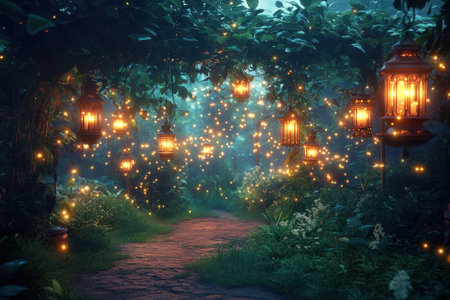
Celebrating Native British Plants
Britain’s native flora is a living testament to the country’s rich natural heritage, gracing our woodlands, meadows, and gardens with unique character and subtle beauty. From the vibrant bluebells carpeting ancient forests to the delicate primroses brightening hedgerows, these plants not only shape our landscapes but also support local wildlife and pollinators. In today’s world of globalised plant choices and shifting garden trends, highlighting and preserving native species has become more important than ever. By thoughtfully showcasing Britain’s indigenous flora, we honour centuries of ecological evolution and cultural tradition while creating sustainable, resilient outdoor spaces that connect us deeply to our environment. Through creative lighting techniques, we can draw attention to the understated elegance of native plants, making them stars in both private gardens and public landscapes across the UK.
2. Understanding the British Landscape
The British landscape is a tapestry of habitats, each supporting a unique collection of native flora that reflects centuries of natural history and careful cultivation. From ancient woodlands to windswept moorlands and charming cottage gardens, these environments offer distinctive settings for native plants to thrive. When planning lighting techniques to highlight British plant heritage, it is essential to understand the features of these habitats and the typical species found within them.
Common Native Plant Species Across the UK
| Habitat | Key Characteristics | Notable Native Plants |
|---|---|---|
| Woodlands | Shady, rich in leaf litter, dappled sunlight | Bluebells, Primroses, English Oak, Wild Garlic |
| Moorlands | Open, acidic soils, exposed to wind and rain | Heather, Bilberry, Gorse, Cotton Grass |
| Cottage Gardens | Informal planting, mix of ornamentals and edibles | Foxglove, Cowslip, Hollyhock, Sweet Pea |
Distinctive Local Habitats Explained
Woodlands: Often carpeted with bluebells in spring and shaded by towering oaks or beeches, British woodlands offer a gentle, filtered light environment ideal for delicate understory plants.
Moorlands: Characterised by rolling hills and open expanses, moorlands support hardy species adapted to extreme conditions. Their sparse vegetation allows dramatic shadow play when lit at night.
Cottage Gardens: With their relaxed structure and dense planting, cottage gardens showcase the vibrant colours and textures of native perennials and climbers—perfect for accent lighting that brings out details in flower forms.
Why Habitat Matters for Lighting Design
The diversity of British landscapes influences how native plants appear after dark. Effective lighting design should respect each habitats character—using subtle uplighting in woodlands to mimic moonlight or highlighting the striking silhouettes of moorland shrubs. By understanding the relationship between plant species and their environments, we can create illuminated spaces that celebrate Britains botanical heritage while preserving its natural charm.

3. Lighting Principles for Native Flora
When illuminating British native plants, it’s essential to respect their natural beauty while enhancing their best features. The right outdoor lighting not only brings out the unique colours and textures of local flora but also preserves the understated charm that defines British gardens. Here are some key guidelines to achieve this balance:
Highlighting Colour
Use warm white or soft LED lights to complement the subtle greens, blues, and purples often found in British plant life. Avoid harsh, cool tones that can distort the gentle hues of species like bluebells or primroses. Consider using directional spotlights at low intensity to draw attention to seasonal blooms without overpowering them.
Emphasising Texture
To showcase the texture of foliage such as ferns or silver birch bark, position lights at a low angle. This creates gentle shadows and depth, allowing the natural contours to stand out. Diffused lighting works well for softer plant shapes, while more focused beams can bring out intricate details in leaves and stems.
Revealing Structure
Accent lighting placed beneath larger shrubs or trees like hawthorn or rowan highlights their architectural form. Uplighting can trace the lines of trunks and branches, celebrating their structure without making them appear artificial. For layered planting schemes, stagger light sources to emphasise depth and create a sense of movement throughout the garden.
A Subtle and Sympathetic Approach
The guiding principle is always restraint. Keep light levels modest to avoid overwhelming the garden’s natural ambience. Opt for fixtures that blend into their surroundings, ensuring the focus remains on the plants themselves rather than on any obvious lighting hardware.
Respecting Local Wildlife
Finally, choose lighting solutions that minimise disruption to nocturnal wildlife—select bulbs with minimal blue light content and use timers or motion sensors where possible. This thoughtful approach helps maintain both ecological balance and the authentic spirit of Britain’s plant heritage.
4. Techniques and Fixtures for British Climates
When illuminating native British flora, it’s essential to consider the UK’s unpredictable weather and diverse microclimates. From persistent rain in the Lake District to coastal winds in Cornwall, choosing the right lighting techniques and robust fixtures ensures your garden’s heritage plants are both protected and beautifully highlighted year-round.
Recommended Lighting Techniques
| Technique | Description | Best For |
|---|---|---|
| Uplighting | Fixtures placed at ground level shine light upwards, accentuating trees and tall shrubs. | Native oaks, silver birch, large ferns |
| Downlighting | Lights mounted above cast a gentle glow downwards, mimicking natural moonlight. | Woodland borders, wildflower meadows |
| Path Lighting | Low-level lights guide pathways while highlighting low-growing native plants. | Mosses, primroses, bluebells along footpaths |
| Splash-proof Spotlights | Adjustable spots focus on specific features and withstand rain or mist. | Sculptural yews, water features, feature stones |
Weather-Resistant Fixtures for UK Gardens
Given Britain’s often wet conditions, it is crucial to select outdoor lighting fixtures with suitable IP (Ingress Protection) ratings. IP65-rated fittings are ideal, providing protection against heavy rain and moisture ingress. Materials like marine-grade stainless steel or powder-coated aluminium resist rust and corrosion, while polycarbonate lenses prevent cracking due to frost.
| Fixture Type | Material Recommendation | Key Benefit for UK Conditions |
|---|---|---|
| Bollard Lights | Powder-coated aluminium or stainless steel | Sturdy for driveways and paths; resists corrosion from damp soil. |
| Spike Spots | Marine-grade stainless steel with sealed joints | Easily repositioned; withstands sodden lawns or flowerbeds. |
| Wall-mounted Lanterns | IP65-rated die-cast aluminium with glass panels | Keeps out wind-driven rain; perfect for patios or entrances. |
| Recessed Deck Lights | Toughened glass with rubber gaskets | No trip hazard; handles puddles and standing water well. |
Sustainable Lighting Choices
Selecting energy-efficient LED bulbs not only reduces your carbon footprint but also cuts maintenance—an important consideration given the UK’s long winter nights. Choose warm white tones (2700K–3000K) to complement the natural hues of British plants without overpowering them.
Practical Tips for Installation
- Aim lights away from neighbours’ windows to minimise light pollution.
- Bury cables deep enough to avoid disturbance from frost or garden tools.
- Opt for motion sensors or timers to save energy during short daylight hours.
- Aim lights away from neighbours’ windows to minimise light pollution.
- Bury cables deep enough to avoid disturbance from frost or garden tools.
- Opt for motion sensors or timers to save energy during short daylight hours.
The right combination of technique and fixture means that whether you’re showcasing a centuries-old hawthorn hedge or a patch of native foxgloves, your garden will shine in every season—rain or shine.
5. Sustainable and Wildlife-Friendly Lighting
When illuminating British native flora, it is essential to prioritise lighting solutions that are both environmentally responsible and sensitive to local wildlife. In recent years, awareness has grown about the adverse effects of excessive or poorly designed outdoor lighting on ecosystems, particularly for nocturnal animals and pollinators that play a vital role in the health of Britain’s plant heritage.
Eco-Friendly Lighting Choices
Opt for LED fixtures with warm white colour temperatures (ideally below 3000K) to minimise blue light emissions, which can disrupt natural behaviours in birds, bats, and insects. Select energy-efficient fittings that are rated for low power consumption to reduce carbon footprint and promote sustainability. Solar-powered garden lights are another excellent choice for British gardens, harnessing renewable energy while providing subtle illumination.
Reducing Light Pollution
Shielded or downward-facing lights help focus illumination where it’s needed and prevent unnecessary light spill into surrounding habitats. Timers and motion sensors further minimise lighting duration, ensuring that plants receive necessary attention without creating constant disturbance to wildlife.
Preserving Natural Rhythms
British native plants and their associated fauna have evolved with the country’s distinct day-night cycles. By limiting artificial light exposure during nighttime hours—especially during spring and summer when many species are most active—you support natural pollination processes and enable nocturnal wildlife to thrive undisturbed. Thoughtful placement and scheduling of lights will help maintain these delicate ecological balances, showcasing your appreciation for both plant beauty and environmental stewardship.
6. Case Studies from British Gardens
Illuminating Success: Real-World Examples
Across the UK, a number of gardens and public spaces have set inspiring standards for lighting native British flora. These examples not only showcase the beauty of local plants but also offer practical lessons in sustainable and sensitive lighting design.
Kew Gardens, London
At Kew Gardens, selective uplighting is used to highlight ancient oaks and native wildflower meadows during seasonal evening events. Careful placement and low-intensity lights help maintain the natural character of the landscape while guiding visitors safely through the grounds.
The Eden Project, Cornwall
The Eden Project’s Night Garden utilises subtle LED spotlights to accentuate Cornish ferns and heathers. Designers prioritise low-glare fixtures and warm white tones to preserve nocturnal wildlife activity and minimise light pollution, creating an immersive, tranquil experience.
Royal Botanic Garden Edinburgh
This iconic garden integrates pathway lighting with gentle washes over native Scots pine and bluebell woodlands. The approach respects both plant health and aesthetic appeal, using shielded fixtures that direct light downward and prevent unnecessary illumination of the night sky.
Community Spaces: Sheffield Winter Garden
In urban settings like Sheffield Winter Garden, local tree species are softly illuminated using ground-level lights with adjustable beams. This technique brings out the texture of bark and foliage without overpowering the space or disrupting nearby residents.
Key Takeaways from British Best Practices
These case studies demonstrate that thoughtful lighting can enhance appreciation for Britain’s plant heritage while supporting environmental stewardship. By using energy-efficient fixtures, respecting natural rhythms, and focusing on subtlety, gardens across the UK successfully celebrate native flora after dark—offering inspiration for projects both large and small.