Introduction to Growing Medicinal Herbs at Home
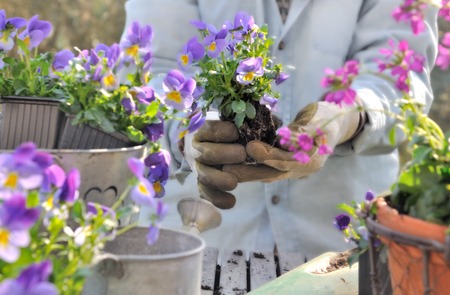
In recent years, the UK has witnessed a delightful revival in the art of cultivating medicinal herbs at home. From bustling London balconies to cosy Cotswolds patios, families are rediscovering the age-old traditions of British wellness through their own container gardens. This resurgence is more than a nod to nostalgia; it’s about weaving health and harmony into the fabric of daily life. Sharing the journey with children transforms gardening into a living classroom, where each pot becomes a source of wonder and wellbeing. As little hands help sow seeds and snip fragrant leaves, we not only nurture plants but also family bonds—passing down stories of elderflower teas, chamomile baths, and the quiet wisdom of nature that has long shaped our nation’s approach to holistic health.
Choosing the Right Herbs for UK Containers
Embarking on a family adventure in herbal gardening is both delightful and rewarding, especially when you choose herbs perfectly suited to Britain’s unique climate. Selecting resilient, medicinal plants that thrive in containers makes wellness gardening accessible even in small spaces—be it a cosy balcony, compact patio, or a sunlit kitchen windowsill. Here’s a friendly guide to help your family pick time-tested favourites that flourish in the UK, along with some traditional uses that have stood the test of generations.
Classic Medicinal Herbs for British Containers
| Herb | Traditional Uses | Container Tips |
|---|---|---|
| Lavender (Lavandula angustifolia) | Calming scent, used for relaxation and to aid sleep; often tucked into pillows or brewed as tea. | Needs plenty of sunlight and well-drained soil; prune after flowering to keep bushy. |
| Mint (Mentha spp.) | Soothe tummies and freshen breath; infused in teas or added to summer drinks. | Grows vigorously—best kept in its own pot to prevent spreading. |
| Thyme (Thymus vulgaris) | Traditionally steeped for coughs and colds; also adds flavour to hearty British stews. | Loves sunny spots and doesn’t mind drying out between waterings. |
| Lemon Balm (Melissa officinalis) | Known for its mood-lifting aroma; brewed for calming teas, especially before bedtime. | Tolerates shade and moist soil, making it versatile for different garden spots. |
| Chamomile (Matricaria chamomilla) | Brewed for gentle bedtime teas to ease restlessness in children and adults alike. | Pots with good drainage are essential; prefers full sun but tolerates partial shade. |
A Family Activity: Picking Together
Make herb selection a joyful family activity—invite everyone, young and old, to rub leaves and breathe in the fresh scents. Chat about how each herb might be used in your daily home rituals. This hands-on discovery not only sparks curiosity about nature but also nurtures a sense of togetherness as you learn about plants’ healing traditions right at home.
3. Container Gardening Tips for Small British Spaces
Living in the UK often means making the most of compact gardens, petite balconies, or even just a sunny windowsill. The good news? Medicinal herbs thrive in containers, making them perfect companions for our cosy British homes. Start with pots or recycled containers that allow for good drainage—old teapots or wooden crates add a touch of character and sustainability. Fill them with peat-free compost to keep your planting eco-friendly, and choose herbs like chamomile, mint, thyme, and calendula that are well-suited to our ever-changing weather.
When planting with children, let them pick their favourite seeds or seedlings and decorate plant markers together—an activity as nurturing as it is educational. Place containers where they’ll get at least six hours of sun: south-facing window ledges are ideal if outdoor space is limited. Encourage little ones to water the plants daily (a small watering can is perfect for tiny hands) and watch as these herbal friends grow.
To maximise your harvest in tight spaces, use vertical planters or stackable shelves. Hanging baskets work wonders for trailing herbs like lemon balm or nasturtium. Remember, companion planting helps too: group herbs with similar needs together to save space and boost their health naturally. With some imagination and teamwork, even the smallest British nook can become a flourishing haven of wellness—for you and your family.
4. Caring for Your Herbal Containers Through the Seasons
Looking after your herbal container garden in the UK is a bit like telling a year-long story together with your child—a tale shaped by rain, sun, wind, and even the occasional snowflake! Each season brings its own set of tasks and joys, so let’s explore how parents and children can team up to keep those medicinal herbs thriving all year round.
Seasonal Rhythms: A Family Guide
| Season | Main Tasks | Interactive Project Ideas |
|---|---|---|
| Spring | Start new seeds; gentle watering as days warm; feed with organic plant food. | Make a “watering calendar” using stickers for each watering day—let your child be the timekeeper! |
| Summer | Water more frequently, especially during dry spells; watch for aphids. | Create DIY bug hotels from recycled materials to invite helpful insects into your herb garden. |
| Autumn | Reduce watering as temperatures drop; harvest herbs together; tidy dead leaves. | Hold a mini “herb harvest festival”—taste, smell, and dry herbs for winter teas or crafts. |
| Winter | Protect containers from frost by moving them close to the house or wrapping pots; avoid overwatering. | Decorate pots with insulating materials (like hessian or old jumpers) and have fun naming your “cosy pots.” |
Weather-Wise Watering Together
The British weather keeps us on our toes—sometimes it’s drizzly for days, other times the sun shines bright and dries out pots quickly. Make checking soil moisture a daily discovery game: poke a finger into the compost with your child and decide together if it feels damp or dry. If it’s dry an inch down, it’s time for a gentle drink! Rainwater collected in a water butt is perfect for herbs and gives kids a chance to learn about sustainability too.
Feeding Your Herbs: Nature’s Nurture Time
Once a month in spring and summer, mix up some liquid seaweed feed. Turn this into a potion-making adventure: measure, pour, and stir with your little one—then watch as your herbs respond with lush new leaves. Remind children that just like people need good food to grow strong, so do our herbal friends!
Frost Protection: Cosying Up for Winter
Brrr! When frosty nights arrive, make it a team effort to tuck your containers close to walls or insulate them with bubble wrap or fleece. Challenge your child to design “frost jackets” using old scarves or blankets. This not only keeps roots safe but also sparks creativity and laughter on chilly afternoons.
Tending herbs through Britain’s seasons is more than gardening—it’s a rhythm of caring, learning, and growing closer together. Every project becomes a memory, every leaf an invitation to explore nature’s gifts as a family.
5. Harvesting and Using Home-Grown Medicinal Herbs
There’s a special kind of magic that comes from gathering your own home-grown herbs, especially when the whole family gets involved. Once your container herbs—whether it’s calming chamomile, soothing mint, or classic lavender—are lush and ready for harvest, invite your children and loved ones to join in the picking. Choose a dry morning, when the essential oils are at their peak, and snip leaves and flowers with care. This is a wonderful moment to chat about the different scents and textures, encouraging little hands to connect with nature.
Preparing Your Herbal Harvest Together
After harvesting, gather round the kitchen table to sort and rinse your herbs. Lay them out on clean tea towels or string bunches upside down in a cool spot to dry. The simple act of preparing herbs together can become a cherished ritual, much like families have done across Britain for generations. As you work, share stories—perhaps recount how grandmothers once made dandelion tea to soothe tummies, or how medieval monks grew healing plants in their gardens.
Making Simple Herbal Remedies
Turn your harvest into easy remedies that everyone can enjoy. Brew pots of fresh herbal tea—peppermint for digestion or lemon balm for calm—and let children add a spoonful of local honey. Try crafting a lavender balm for bedtime by mixing dried flowers with beeswax and coconut oil, teaching youngsters about natural self-care. These small creations not only support wellness but also nurture creativity and confidence.
Weaving British Folklore into Everyday Wellness
Herbal traditions are deeply rooted in British folklore. Tell tales of wise women who gathered elderflowers along hedgerows, or legends of St John’s Wort warding off midsummer mischief. Encouraging these conversations while making teas or balms helps children appreciate both the science and story behind each plant. Through these shared activities, families not only foster wellbeing but also carry forward the living history of Britain’s herbal heritage.
6. Safety and Sustainability in Herbal Wellness
As we nurture our children’s curiosity about medicinal herbs, safety must always come first. It’s essential to teach little ones that not all plants are safe to touch or taste—some may cause reactions or be harmful if ingested. Always label your herbal containers clearly and supervise any hands-on activities, especially when harvesting or preparing herbal remedies together. Encourage children to wash their hands after handling plants, reinforcing this simple yet effective habit.
In the UK countryside, foraging has a rich heritage. However, when it comes to wellness herbs, growing your own in containers at home is often safer and more reliable than foraging wild plants. Home-growing means you can identify your herbs with certainty, avoid pollutants or pesticides, and harvest them at their peak. When discussing foraging with your family, emphasise the importance of respecting local wildlife habitats and never picking rare or protected species.
Let’s inspire our young gardeners to think beyond just their own wellbeing and consider the health of the planet too. Choose peat-free composts and organic seeds where possible, and provide water sources like shallow dishes for visiting bees and butterflies. Creating a ‘mini-wildlife corner’ with native herbs such as mint, chamomile, or yarrow helps support local pollinators and builds a sense of stewardship in children.
By combining safe practices with sustainable gardening habits, we plant seeds of responsibility that will grow into lifelong respect—for nature, for community traditions, and for future generations who will inherit our gardens and green spaces.
7. Resources and Further Inspiration
If your family has caught the herbal gardening bug, there are so many ways to nurture your curiosity and deepen your connection with nature right here in the UK. Whether you’re keen to learn more about growing medicinal plants or simply want to make planting a fun, ongoing adventure, these resources offer inspiration for all ages.
Family-Friendly Books on Herbs and Wellness
- “The Children’s Book of Herbs” by Lesley Bremness: A beautifully illustrated guide introducing little ones to common herbs and their uses, complete with simple projects perfect for rainy afternoons.
- “RHS Garden Projects” by Dawn Isaac: Packed with hands-on activities for families, this book includes container herb gardens suitable for small spaces and British weather.
- “A Little Guide to Wild Flowers” by Charlotte Voake: While not strictly about herbs, this charming field guide helps children recognise many of the plants they’ll encounter on local walks.
Local Gardening Clubs and Societies
- The Herb Society UK: Offering workshops, newsletters, and events focused on growing and using herbs in Britain—perfect for curious parents and budding young botanists alike.
- Royal Horticultural Society (RHS) Local Groups: Many RHS gardens across the UK host family-friendly workshops and seasonal events where you can learn alongside other plant-loving families.
- Your Local Allotment Association: Allotments aren’t just for vegetables! Many communities welcome new families interested in starting a medicinal herb patch or joining group gardening days.
Online Communities for Continued Learning
- The UK Herbarium Facebook Group: A welcoming space to share photos, ask questions, and swap stories about growing medicinal plants at home.
- Gardeners’ World Forum: The BBC’s online hub features lively discussions and practical advice from gardeners all over Britain—ideal for troubleshooting container gardening queries or seeking herbal recipes.
- Muddy Faces Outdoor Play Community: Focused on learning outdoors as a family, this group often shares creative ideas for exploring herbal wellness with children in mind.
Cultivating Curiosity Together
Every new leaf unfurled or flower bud spotted is an opportunity for shared wonder. By turning to these books, clubs, and online groups, your family will find endless support—and perhaps a few kindred spirits—as you continue your journey into the world of wellness through herbs. After all, growing together means learning together—one pot, one story, one herbal cup of tea at a time.