
Understanding Common Pests and Diseases in UK Greenhouses
For all-season greenhouse growers across the UK, recognising the most common pests and diseases is crucial for effective prevention and management. The British climate, with its frequent rainfall and mild temperatures, creates a unique environment that fosters particular threats to greenhouse crops. Among the most prevalent pests are aphids, whiteflies, red spider mites, and fungus gnats. These tiny invaders can cause significant damage by feeding on plant sap, spreading viruses, and leaving behind sticky honeydew that encourages mould growth.
Pest Identification: Signs and Life Cycles
Aphids often cluster on new shoots or the undersides of leaves, appearing as small green, black, or peach-coloured insects. Whiteflies reveal themselves when disturbed—tiny white specks fluttering up from foliage. Red spider mites are harder to spot, but fine webbing on leaf surfaces is a telltale sign. Fungus gnats are particularly active in damp compost; adults resemble small flies, while larvae feed on roots just below the soil surface. Understanding their life cycles—such as how warm, humid conditions speed up egg laying and larval development—can help time your interventions for maximum effect.
Disease Challenges in UK Greenhouses
In terms of diseases, grey mould (Botrytis cinerea), powdery mildew, and damping-off are major concerns throughout the year. Grey mould flourishes in cool, moist environments; you’ll notice fluffy grey growth on stems and leaves. Powdery mildew looks like a dusting of flour over leaf surfaces, especially during periods of poor air circulation. Damping-off targets seedlings, causing them to collapse suddenly at soil level—often due to excessive moisture combined with low temperatures.
UK-Specific Considerations
The relatively stable but often humid conditions inside British greenhouses mean these pests and diseases can persist through every season if not managed proactively. Regular inspection for early symptoms—such as distorted leaves, mottled patterns, wilting, or unusual spots—can make all the difference in nipping problems in the bud before they escalate. By understanding both what to look for and how these organisms thrive within our local climate, growers set a strong foundation for robust year-round plant health.
2. Prevention Strategies for Year-Round Protection
Effective pest and disease prevention in British greenhouses requires a well-structured approach that adapts to seasonal changes. By prioritising hygiene, crop rotation, and careful plant selection, growers can significantly reduce the risk of infestations and infections throughout the year.
Hygiene: The Foundation of Greenhouse Health
Maintaining cleanliness is paramount in preventing the establishment and spread of pests and diseases. Regular removal of plant debris, disinfection of tools, and cleaning of benches and paths should be routine tasks, especially during the damp British autumn and winter when fungal issues are prevalent.
Key Hygiene Practices by Season
| Season | Essential Tasks |
|---|---|
| Spring | Clean greenhouse structure; sterilise pots and trays; inspect overwintered plants for pests. |
| Summer | Remove fallen leaves promptly; increase ventilation to prevent humidity build-up. |
| Autumn | Clear out spent crops; disinfect all surfaces before introducing winter crops. |
| Winter | Check for condensation; minimise clutter where pests might overwinter. |
Crop Rotation: Breaking Pest Cycles
Certain pests and diseases are host-specific and can persist in soil or on greenhouse surfaces if the same crops are grown repeatedly. Implementing a rotation plan disrupts their lifecycle. For British growers, planning rotations around common greenhouse staples—such as tomatoes, cucumbers, peppers, and salads—ensures more resilient cropping.
Example Crop Rotation Plan (Annual Cycle)
| Year 1 | Year 2 | Year 3 |
|---|---|---|
| Tomatoes & Peppers | Cucumbers & Melons | Lettuce & Herbs |
| Cucumbers & Melons | Lettuce & Herbs | Tomatoes & Peppers |
| Lettuce & Herbs | Tomatoes & Peppers | Cucumbers & Melons |
Plant Selection: Choosing Wisely for Local Conditions
Selecting disease-resistant varieties suited to the UK climate can provide a significant advantage. Many seed suppliers indicate resistance to common issues like powdery mildew or aphids on their packaging. Prioritise these varieties during your seasonal planning, particularly for early spring sowings when young plants are most vulnerable.
Tip:
Always source new plants from reputable nurseries to avoid introducing hidden pests or diseases into your greenhouse ecosystem.
The combined effect of these strategies—practised consistently and tailored to the British growing calendar—will create an environment where plants thrive with fewer interventions needed throughout the year.
3. Integrated Pest Management (IPM) Approaches
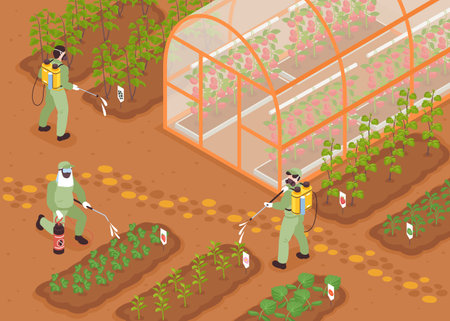
Integrated Pest Management (IPM) is a cornerstone of sustainable greenhouse practice, particularly relevant for all-season growers across the UK. At its core, IPM aims to minimise pest and disease issues while reducing dependency on chemical pesticides, prioritising biological controls and environmentally sound strategies.
Application of IPM Principles in UK Greenhouses
The practical implementation of IPM begins with regular monitoring—frequent inspections using yellow sticky traps, hand lens checks for early pest detection, and accurate record-keeping. Identifying pest populations and their natural enemies allows growers to make timely, well-informed decisions. The UKs variable climate means that vigilance is crucial throughout the year, as pests such as whitefly and aphids can thrive during mild winters or damp summers.
Emphasis on Biological Controls
Biological control is a fundamental pillar of IPM in the UK greenhouse setting. This involves introducing or encouraging natural predators like Encarsia formosa for whitefly, or Phytoseiulus persimilis against spider mites. These beneficial insects are widely available from reputable British suppliers and have proven highly effective when integrated with cultural practices. Moreover, by supporting local biodiversity, growers contribute positively to the surrounding environment.
Sustainable Cultural Practices
Sustainability extends beyond pest control agents. UK growers should rotate crops where feasible, remove plant debris promptly, and maintain optimal environmental conditions such as humidity and ventilation to suppress disease development. Physical barriers—like insect netting—and encouraging pollinator-friendly habitats near the greenhouse further enhance resilience against pests.
Minimising Chemical Inputs
By following an IPM approach, chemical interventions become a last resort rather than a first response. When necessary, select targeted products approved for use in UK horticulture and ensure application methods protect both beneficial organisms and human health. Adopting IPM not only secures crop health year-round but also aligns with growing consumer demand for sustainable British produce.
4. Safe Use of Pesticides and Natural Remedies
When managing pests and diseases in UK greenhouses, the responsible use of both chemical pesticides and natural alternatives is essential. Adhering to current legal guidelines ensures not only the safety of your crops but also compliance with national standards. This section outlines best practices for using approved pesticides and highlights effective natural remedies suitable for all-season growers.
Understanding Legal Guidelines
In the UK, only pesticides that are approved by the Health and Safety Executive (HSE) can be used in greenhouses. Always check the label for approval codes and usage instructions. Additionally, ensure you follow safe storage, application, and disposal procedures as set out by UK law. It is illegal to use any banned substances or to apply products at higher-than-recommended rates.
Key Legal Requirements
| Pesticide Regulation | Description |
|---|---|
| Product Approval | Must be listed on HSEs authorised product list |
| Record Keeping | Maintain accurate records of all pesticide use |
| PPE Usage | Wear appropriate Personal Protective Equipment during application |
| Disposal | Dispose of unused chemicals according to local council regulations |
| User Certification | Certain products require a certificate of competence for use |
Best Practices for Chemical Pesticides
If you opt for chemical controls, always select targeted products with minimal environmental impact. Rotate between active ingredients to prevent resistance build-up among pest populations. Apply treatments during calm weather to avoid drift and reduce exposure risk to beneficial insects or nearby plants. Never spray when pollinators are active, typically early morning or late evening is best.
Natural Alternatives and Integrated Pest Management (IPM)
Increasingly, UK greenhouse growers are turning to natural remedies as part of an Integrated Pest Management approach. These options can be used alongside or instead of chemical pesticides to maintain healthy crops while minimising ecological disturbance.
Common Natural Remedies in UK Greenhouses
| Remedy/Natural Control | Main Target(s) | Application Notes |
|---|---|---|
| Nematodes (biological control) | Fungus gnats, vine weevils, thrips larvae | Drench soil; effective in moist conditions; harmless to humans and pets |
| Lacewing larvae & Ladybirds | Aphids, whitefly, red spider mites | Release onto affected plants; works best in warm temperatures; available from specialist suppliers |
| Sulphur candles/pads | Mildew, fungal spores, some insects | Use with caution; ventilate greenhouse after treatment; follow label directions strictly due to potential plant sensitivity |
| Neem oil spray (plant-based) | Aphids, spider mites, mealybugs, scale insects | Spray directly onto pests; repeat applications may be needed; test on a small area first for phytotoxicity risk |
| Sticky traps (yellow/blue) | Whiteflies, thrips, aphids, fungus gnats adults | Suspend above plants or near entry points; monitor regularly and replace when full or dirty |
A Practical Note for All-Season Growers:
The key to sustainable pest management lies in regular monitoring and prompt action at early signs of trouble. Whether using approved chemicals or natural controls, always read product labels carefully and never exceed recommended dosages. Combining these strategies within an IPM framework will help you maintain a productive greenhouse year-round while remaining compliant with UK regulations.
5. Monitoring and Early Detection
Effective pest and disease management in British greenhouses hinges on consistent monitoring and early detection. Regular inspection routines are crucial for all-season growers aiming to catch issues before they escalate. A weekly walk-through, examining both the upper and lower surfaces of leaves, stems, and soil, is standard practice among UK gardeners. Keeping an eye out for subtle signs such as leaf discolouration, distorted growth, or the presence of insects is essential.
Environmental Control
Maintaining optimal environmental conditions also plays a significant role in early detection. By carefully managing temperature, humidity, and ventilation—often with the help of automated sensors or traditional max-min thermometers—growers can reduce the likelihood of outbreaks. Many British greenhouse enthusiasts use louvre vents or roof windows to ensure good air circulation, which discourages common problems like powdery mildew and botrytis.
Simple Monitoring Tools
Several straightforward tools have become staples in UK greenhouses for pest and disease monitoring. Sticky traps (yellow or blue cards) are widely used to catch flying insects such as whiteflies and thrips. Hand lenses allow growers to identify small pests or early fungal signs at a magnified level. Some allotment holders keep detailed logbooks, noting changes in plant health or pest numbers, which helps spot patterns over time.
Community Sharing and Support
Another technique popular among British growers is sharing information with local gardening clubs or online forums. By comparing notes on pest pressures and successful interventions, growers benefit from collective experience—often receiving timely warnings about regional outbreaks.
In summary, diligent inspection routines, environmental control measures tailored to British weather patterns, and the use of accessible monitoring tools empower all-season greenhouse growers across the UK to stay ahead of potential problems.
6. Seasonal Challenges and Solutions
Greenhouse growers in the UK face a unique set of pest and disease pressures as the seasons change, making it essential to adapt management strategies throughout the year. The combination of Britain’s variable climate and greenhouse microenvironments means that both pests and pathogens can thrive if not properly controlled. Below, we address how to tackle these challenges with practical solutions focused on heating and ventilation for every season.
Winter: Combating Damp and Cold-Loving Pests
During British winters, condensation and limited sunlight increase humidity inside greenhouses, creating ideal conditions for fungal diseases such as botrytis (grey mould) and downy mildew. Meanwhile, pests like aphids may take refuge indoors. To prevent outbreaks:
Heating: Maintain steady temperatures using thermostatically controlled heaters to avoid cold spots.
Ventilation: Open vents or use fans during milder spells to reduce humidity and improve air circulation, even on overcast days.
Hygiene: Remove dead plant material promptly to cut off sources of infection.
Spring: Surges in Pest Activity
The warming weather triggers rapid growth of both crops and pest populations. Whiteflies, thrips, and spider mites become increasingly active.
Monitoring: Regularly check plants and use sticky traps to detect early infestations.
Ventilation: Increase airflow to discourage moulds while keeping temperatures stable for young seedlings.
Pest Barriers: Install insect mesh on vents to keep flying pests at bay.
Summer: Overheating and Rapid Disease Spread
Sustained high temperatures can stress plants, weakening their defences against red spider mites, whiteflies, and powdery mildew.
Shade & Cooling: Apply shading paint or screens, and mist paths to lower ambient temperature.
Ventilation: Maximise vent openings during the day but monitor for draughts at night.
Irrigation Management: Water early in the morning to allow foliage to dry quickly, reducing fungal risks.
Autumn: Preparing for Overwintering Pests
This transitional season is critical for cleaning up after summer’s growth and preparing for winter dormancy.
Deep Clean: Disinfect surfaces, trays, and pots before storing them away.
Pest Removal: Clear plant debris and compost thoroughly to eliminate hiding places for overwintering insects.
Check Structures: Repair any broken panes or seals to ensure your greenhouse remains weather-tight and pest-resistant through the colder months.
A Year-Round Approach
The key to effective all-season greenhouse pest and disease management in Britain is vigilance, adaptability, and proactive climate control. By integrating seasonal routines with robust heating and ventilation practices, growers can maintain healthy crops whatever the weather throws at them—making every season productive under glass.