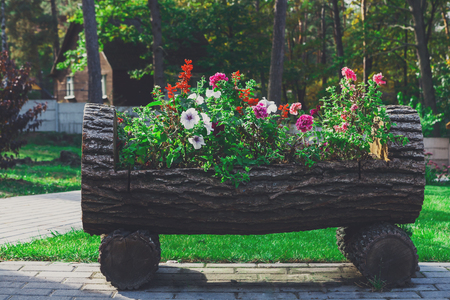
Introduction to Sustainable Garden Living
In recent years, British households have increasingly turned their attention to greener ways of living, with gardens becoming a cherished space for family bonding, relaxation, and connection with nature. Choosing eco-friendly garden furniture and decor is not only a trend but a meaningful step towards reducing our carbon footprint. Each sustainable choice made in the garden — from recycled benches to upcycled planters — inspires both children and adults to become caretakers of the environment. By embracing sustainable options, we nurture not just our plants but also our shared responsibility for a healthier planet. These mindful decisions contribute to a culture of sustainability that can be passed down through generations, helping families across the UK foster greener lifestyles right at home.
2. Materials Matter: Choosing Earth-Friendly Options
When it comes to garden furniture and décor, the materials you choose can make a world of difference in lowering your carbon impact. Here in the UK, with our famously changeable weather and love for outdoor spaces, its especially important to select options that are both sustainable and suitable for our climate.
Renewable Resources: Wood Done Right
Opting for wooden furniture is a classic British choice, but not all wood is created equal. Look for FSC-certified timber, which guarantees that the wood has been sourced responsibly from well-managed forests. Hardwoods like oak and teak are particularly durable, standing up to rain and wind, while still being gentle on the planet when responsibly harvested.
Table: Sustainable Material Choices for UK Gardens
| Material | Sustainability Features | Best For | UK Climate Suitability |
|---|---|---|---|
| FSC-Certified Wood | Renewable, ethically sourced, biodegradable | Benches, tables, planters | Highly suitable; ages well outdoors with care |
| Recycled Plastic | Diverts waste from landfill, low maintenance | Chairs, decking, children’s furniture | Excellent; weather-resistant and durable |
| Reclaimed Metals | Reduces demand for new mining, long lifespan | Bistro sets, sculptures, lighting fixtures | Very good; resists rust if properly treated |
Recycled Plastics: Modern and Long-Lasting
If you’re after easy-care and longevity—especially handy with British drizzle—recycled plastic furniture is a brilliant pick. Many pieces are crafted from post-consumer waste like milk bottles or old fishing nets. Not only do they keep plastics out of our landfills and oceans, but they also stand up superbly to the elements without fading or rotting.
Reclaimed Metals: Timeless with a Twist
For a touch of industrial charm or vintage flair, consider reclaimed metal furnishings. Sourced from old railings or machinery, these pieces tell a story while reducing the need for new mining and manufacturing. With proper treatment against moisture (think powder-coating), they’ll weather the British climate beautifully.
A Family-Friendly Tip:
Involve your children in choosing sustainable materials by letting them help research or spot FSC labels in shops. Not only does this nurture their green fingers, but it also plants seeds of environmental awareness early on.

3. Timeless British Style Meets Sustainability
When you picture a quintessential British garden, images of weathered wooden benches, winding brick paths, and ornate iron trellises might spring to mind. These classic features have graced UK gardens for generations, providing a sense of comfort and tradition that is uniquely British. Today, as we strive to lower our carbon impact, there’s no need to leave behind these beloved aesthetics. Instead, we can blend the best of both worlds by choosing sustainable materials and eco-friendly craftsmanship, ensuring our outdoor spaces remain inviting for family gatherings and lazy afternoons alike.
Honouring Heritage with Eco-Conscious Choices
British gardens have long celebrated durability and charm—qualities easily mirrored in modern sustainable design. For instance, benches crafted from reclaimed oak or responsibly sourced FSC-certified timber retain their timeless appeal while supporting forest conservation. Similarly, traditional wrought iron structures can now be found made from recycled metals, reducing the demand for new resources. By selecting furniture that echoes the elegance of Victorian or cottage garden styles but uses upcycled or low-impact materials, you keep your space true to its roots while caring for the planet.
Blending Old and New for Lasting Beauty
Imagine a classic English rose arch fashioned from recycled steel or a set of mosaic-topped tables made using repurposed ceramics. These items not only tell stories of past and present but also encourage conversations with your children about making thoughtful choices. Let them help you choose decor that reflects both your love for tradition and your commitment to sustainability—like planting pollinator-friendly flowers around an upcycled bench or creating wind chimes from found objects together.
A Family Journey in Sustainable Garden Living
Inviting children into the process fosters stewardship and creativity. Ask them what they imagine for your garden’s look—perhaps they’ll suggest painting old planters in cheerful colours or weaving willow branches into playful structures. Through these activities, your family weaves together cherished British style with mindful living, nurturing a garden that grows memories as well as beauty, all while treading lightly on the earth.
4. Local Sourcing and Supporting UK Makers
Choosing garden furniture and decor crafted by local British artisans is a gentle, earth-friendly step that nurtures both your outdoor space and our shared home. When you opt for locally made items, you are not only reducing the distance your products travel—cutting down on transport emissions—but also investing in the unique skills of UK craftspeople. This mindful choice supports smaller businesses and helps preserve traditional techniques passed down through generations.
The Environmental Benefits of Buying Local
| Aspect | Local Sourcing | Imported Goods |
|---|---|---|
| Transport Emissions | Lower (shorter distances) | Higher (long-distance shipping) |
| Packaging Needs | Minimal (often recyclable or reusable) | Excessive (protective packaging for long transit) |
| Support to Community | Strengthens local economy & jobs | Mainly benefits overseas suppliers |
Nurturing Craftsmanship Close to Home
There’s something heartwarming about bringing home a handcrafted bench or planter, knowing the story behind its creation. Local makers often use responsibly sourced materials, sometimes even upcycling or repurposing wood and metal from within the UK. By supporting these artisans, families can create spaces that blossom with meaning, while gently treading on the earth.
How to Find and Support UK Garden Furniture Makers
- Visit local craft markets or garden centres specialising in British products.
- Look for certifications like “Made in Britain” or memberships in UK craft guilds.
- Connect with makers directly—many welcome visits or offer bespoke services for a personal touch.
Encouraging your children to learn about where their garden furniture comes from can spark curiosity and appreciation for nature’s resources and human creativity. Each piece becomes more than just décor—it becomes part of your family’s story, rooted in care for the planet and community alike.
5. Caring for Your Garden Furniture the Eco Way
When it comes to looking after your garden furniture, adopting sustainable habits is key—not just for the health of your family, but for the planet too. By choosing eco-friendly care and restoration methods, you can extend the life of your outdoor pieces and minimise waste. It’s a bit like nurturing a beloved plant: with gentle, thoughtful attention, your garden furniture will flourish for years.
Choose Non-Toxic Cleaning Solutions
Begin by swapping harsh chemical cleaners for natural alternatives. A mixture of warm water, white vinegar, and a splash of lemon juice works wonders on wood and metal surfaces. Baking soda can help tackle stubborn stains without leaving any harmful residue. Not only are these options kinder to wildlife and little ones who love to play outside, but they’re also much gentler on your furnishings.
Restore with Natural Finishes
If your furniture is looking a bit tired, reach for finishes made from linseed oil or beeswax rather than synthetic varnishes. These natural products nourish wood, enhance its grain, and provide a subtle sheen while allowing it to breathe—just like the plants around it. Reapplying such finishes each season can help protect your furniture from the unpredictable British weather.
Mend Rather Than Replace
Before sending a wobbly chair or faded bench to landfill, consider a spot of DIY repair. Tighten loose screws, sand down rough patches, or even re-paint using eco-friendly outdoor paints. Engaging children in these simple fixes not only teaches them about caring for their belongings but also connects them to the values of sustainability in a hands-on way.
By treating your garden furniture with patience and eco-conscious care, you create a space that feels welcoming and enduring—a true reflection of your commitment to both family and nature.
6. Fun Family Activities: Upcycling and Creative Decor
Transforming your garden into a sustainable haven doesn’t have to be all about serious choices—it can be a joyful, collaborative experience for the whole family! Why not gather your loved ones for a weekend of upcycling and creative decorating? Children and grown-ups alike can find inspiration from nature’s ingenuity, turning old household items into new treasures that add personality and eco-friendly charm to your outdoor space.
Get Crafty with Pallets and Old Ceramics
Before you head to the tip, consider what you might already have around the house or shed. Wooden pallets, for example, are a fantastic starting point for making anything from rustic benches to vertical planters. With a bit of sanding and safe paint, kids can help decorate these creations with bright colours or plant motifs—an activity that blends creativity with environmental awareness.
Make Memories with DIY Projects
Old ceramics like chipped teapots, mugs, or plates don’t need to be binned. Instead, try transforming them into quirky planters or decorative garden ornaments. It’s a lovely way to preserve family keepsakes while giving them a new purpose outdoors. Encourage children to come up with their own designs—they’ll love seeing their ideas bloom alongside your garden plants!
Learning Through Play
Upcycling projects offer more than just fun; they teach valuable lessons about resourcefulness and sustainability. As your family bonds over painting, building, and planting together, you’re also nurturing an appreciation for mindful living—a gift that will last long after the tools are put away. Plus, every upcycled creation in your garden stands as a gentle reminder of how small changes at home can make a big impact on our planet.
7. Inspiring a Greener Future Together
As we gather in our gardens, whether for a family picnic or simply to watch the bees buzz among the lavender, each of us—young and old—holds a small but powerful seed for change. Making sustainable choices for our garden furniture and decor isn’t just about ticking boxes or following trends; it’s about nurturing a shared home that will flourish for generations. Imagine children helping to paint a reclaimed wooden bench, or families planting upcycled pots together—these acts are as much about love as they are about the planet.
Every Choice Matters
When we choose British-made or ethically sourced outdoor pieces, repair what we have, or repurpose items with creativity, we’re weaving care for nature into daily life. These choices may seem small—a cushion made from recycled fabric, or a solar lantern glowing gently at dusk—but together, they add up to meaningful change. Children learn by watching and doing; let’s show them that making greener choices is something we can all be proud of.
Involve the Whole Family
Why not set aside time each season to review your garden together? Ask your children what they’d like to see: perhaps a bug hotel crafted from leftover timber, or a wildflower corner for butterflies. Every voice counts, and every step towards sustainability brings fresh inspiration.
Together, We Grow Greener
The UK’s gardens have always been places of beauty and refuge, but now they can also be symbols of hope. By embracing sustainable furniture and decor, we’re not just lowering our carbon impact—we’re planting the seeds of respect and responsibility that will bloom far beyond our own fences. Let’s encourage one another, young and old alike, to cherish these green spaces and make thoughtful choices that help our beloved planet thrive.