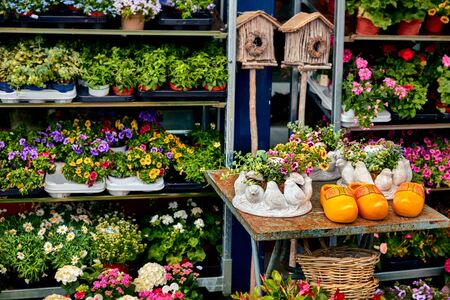
Imagining Your British Flower Garden
Every flourishing flower garden begins with a spark of inspiration—a gentle daydream that grows into something beautiful. Picture your family strolling through a haven of blooms, each corner reflecting the rich traditions and vibrant heritage of British gardening. To start planning, let your imagination wander: What does your ideal garden look like? Is it the soft pastel hues of an English cottage garden, or the bold borders found in stately homes? Consider classic British plants such as fragrant lavender, cheerful foxgloves, and elegant roses—each telling their own story and inviting bees, butterflies, and curious little hands to explore. Pay attention to scent as well; the gentle perfume of sweet peas and honeysuckle can turn an ordinary afternoon into a sensory adventure for children and grown-ups alike. Don’t forget to think about family-friendly features: perhaps a winding path for exploration, a cosy bench for storytelling, or even a tiny bug hotel hidden among the blooms. By weaving together cherished traditions, playful spaces, and a tapestry of colours and scents, you’ll create not just a garden, but a living space where memories blossom alongside petals.
Choosing the Perfect Plot
Before you can transform your vision into a flourishing British flower garden, you must first seek out the ideal patch of earth. Selecting the perfect spot in your UK garden is more than simply picking a sunny corner—it’s about understanding the subtle dance between light, soil, and those charmingly unpredictable quirks of British weather. Here’s how to nurture the dream from concept to bloom, starting with the very ground beneath your feet.
Assessing Sunlight: The Lifeblood of Blooms
Begin by observing how sunlight moves through your outdoor space. In Britain, where clouds love to linger, even a “sunny” spot may only receive 4-6 hours of direct light daily. Use the table below to match popular British flowers with their preferred light conditions:
| Flower | Full Sun (6+ hrs) | Partial Shade (4-6 hrs) | Shade (<4 hrs) |
|---|---|---|---|
| Lavender | ✔️ | ||
| Foxglove | ✔️ | ✔️ | |
| Bluebell | ✔️ | ||
| Roses (English varieties) | ✔️ | ✔️ | |
| Aquilegia | ✔️ | ✔️ |
The Soil Story: Understanding Your Garden’s Foundation
The secret to a thriving English flower bed lies beneath the surface. The UK is famed for its diverse soils—chalky in some counties, clay-heavy in others, and peaty or sandy elsewhere. To discover yours, grab a handful after rain: does it clump like pastry (clay), fall apart like crumbs (sandy), or feel silky smooth (loam)? Once you know your soil type, you can select plants that will flourish naturally.
Quick Guide: Typical UK Soils & Suitable Flowers
| Soil Type | Description | Suits These Flowers |
|---|---|---|
| Clay | Dense, holds water, slow to warm up in spring. | Asters, Japanese anemones, Echinacea. |
| Sandy | Drains quickly, warms early but dries out fast. | Lavender, Salvia, Dianthus. |
| Loamy | The gardener’s dream: balanced and fertile. | Roses, Delphinium, Peony. |
| Chalky/Alkaline | Pale in colour; often stony and free-draining. | Poppies, Campanula, Wallflowers. |
Bespoke British Quirks: Embracing Your Garden’s Personality
No two British gardens are quite alike. Whether it’s a pocket-sized city plot or a rambling cottage border facing blustery winds off the North Sea, every location has its own microclimate and history. Take time to notice wind patterns, boggy patches from persistent drizzle, or frost pockets in shady corners. Sometimes these quirks become your greatest allies—a sheltered wall can nurture tender climbers that would otherwise struggle!
Together as a family, wander round your chosen patch at different times of day and year—let children notice where the bees gather or which corners stay snug and warm. By tuning into your garden’s unique personality, you’re sowing seeds for shared stories as well as stunning blooms.

3. Selecting Flowers for the British Climate
The magic of a flourishing British flower garden begins with choosing the right plants to weather our often unpredictable climate. Whether you’re nurturing a family plot or creating a whimsical corner for little ones, picking the perfect mix of classic and contemporary blooms is both an art and a joyful science. Let’s explore how to select flowers that not only survive but truly thrive, all while supporting our precious pollinators and captivating every age group.
Classic Blooms That Stand the Test of Time
Time-honoured favourites like roses, lavender, foxgloves, and sweet peas are well-suited to the UK’s mild summers and gentle winters. These beauties bring a sense of tradition and nostalgia, perfect for sharing stories with children about gardens gone by. They’re hardy enough to withstand those sudden showers or cooler snaps that are part and parcel of British weather.
Tip:
Choose varieties like English roses or perennial sweet peas for reliable blooms and delightful fragrance year after year.
Contemporary Choices to Spark Curiosity
If you fancy adding a modern twist, consider echinacea, alliums, or vibrant cosmos. These contemporary favourites add bold colour and intriguing shapes, making your patch both visually exciting and educational for young gardeners. Many newer hybrids are bred specifically for resilience against damp or fluctuating temperatures—ideal for our ever-changing skies!
Tip:
Mixing new varieties with old encourages curiosity in children and keeps your garden evolving through the seasons.
Blooms That Welcome Pollinators
No British garden is complete without a buzz of activity. Opt for open-faced flowers such as buddleia, cornflowers, and daisies, which provide easy access for bees, butterflies, and other helpful insects. Watching pollinators at work is a wonderful way to connect children with nature’s rhythms while ensuring your garden flourishes naturally.
Tip:
Avoid double-flowered varieties, as these can be tricky for pollinators to navigate.
Together as a Family: Planting with Purpose
Selecting flowers isn’t just about aesthetics—it’s about fostering connection across generations. Involve everyone in choosing colours, scents, and textures they love. Not only will you create a vibrant outdoor space, but you’ll also nurture lifelong curiosity and care for the natural world, right on your doorstep.
4. Crafting Your Garden Layout
Once your ideas have begun to sprout, it’s time to give shape to your British flower garden with a layout that blends beauty and family adventure. Drawing a simple garden plan might sound daunting, but it can be as easy as gathering everyone around the kitchen table with pencils and coloured paper. Encourage little ones to sketch their dream patches—perhaps a corner for sunflowers or a secret den beneath foxgloves—and then combine these visions into one cohesive map.
Mixing Heights and Colours for British Charm
A classic British garden is a tapestry of heights and hues. When planning, think in layers: tall hollyhocks and delphiniums at the back, bushy lavender and hardy geraniums in the middle, and low-growing marigolds or forget-me-nots along the edges. This technique not only brings visual delight but also creates secret nooks and natural hideaways for children’s imaginations to flourish. Pair colours thoughtfully—soft blues beside cheerful yellows, or deep purples against crisp whites—to reflect the ever-changing mood of an English summer’s day.
Creating Stepping Stones for Little Explorers
No family garden is complete without pathways for tiny feet to wander. Introduce stepping stones—whether reclaimed slate, chunky timber rounds, or even painted pebbles—as both practical walkways and playful trails. You could invite your children to decorate these stones, making each step part of their personal adventure through the blooms. Not only do these paths protect delicate roots from trampling, but they also encourage exploration and gentle stewardship of nature’s wonders.
Sample Garden Plan Table
| Area | Suggested Plants | Height | Colour Palette | Child-friendly Feature |
|---|---|---|---|---|
| Back Border | Hollyhocks, Delphiniums | Tall (150cm+) | Purple, Pink, Blue | Secret Den Hideaway |
| Mid Section | Lavender, Hardy Geraniums | Medium (40–80cm) | Purple, Blue, Magenta | Sensory Scent Trail |
| Front Edge | Marigolds, Forget-me-nots | Low (10–30cm) | Yellow, Blue, White | Bumblebee Watch Spot |
| Pathway | N/A (Stepping Stones) | N/A | Natural Stone or Painted Patterns | Treasure Hunt Route |
Togetherness in Every Step
Your garden layout becomes more than just a blueprint; it’s a canvas where each family member leaves their mark. By blending heights, colours, and playful features like stepping stones, you’ll craft a space where flowers—and children—can blossom side by side.
5. Planting with Heart and Hands
Nurturing the Soil: The Foundation of a British Garden
Before any seeds meet the earth, it’s time for the family to don their wellies and get hands-on with the soil. Loosen the earth with a trusty fork, remove stones, and enrich with good-quality compost or well-rotted manure—think of it as giving your garden a hearty Sunday roast! Encourage children to feel the crumbly texture and spot wriggly worms, teaching them how healthy soil is alive and full of potential.
Sowing Seeds Together: Step-by-Step Family Fun
Let every pair of hands play a part in sowing. Little ones can scatter wildflower seeds for a meadow effect, while older kids might enjoy making neat rows for sweet peas or sunflowers. Use traditional British tools—a dibber or trowel—and explain how different flowers need different depths and spacing. Label each patch with handwritten wooden tags; it’s both practical and sentimental, marking this moment in your family’s gardening journey.
Watering, Watching, and Wondering
With seeds tucked into their beds, gather round to water gently—perhaps taking turns with the watering can. Remind everyone that patience is part of gardening; just as British weather is famously unpredictable, so too are those first green shoots! Encourage children to check daily for changes, celebrating each sign of life.
Teamwork Makes the Garden Grow
Assign simple jobs to each family member: someone to weed, another to top up mulch, someone to keep an eye out for slugs (perhaps offering safe passage rather than eradication). Make it a weekly ritual—after all, tending the garden together builds not only blooms but also bonds. Through these small acts, children learn that gardens flourish with care and community spirit—just like families themselves.
6. Caring and Sharing: Nurturing Your Blossoming Space
Now that your British flower garden is beginning to bloom, it’s time to focus on ongoing care and the joy of sharing your floral bounty with others. Just like nurturing a family or building lasting friendships, tending to your garden requires gentle attention and thoughtful stewardship. Let’s explore how to keep your space flourishing and ways to spread the happiness beyond your own back gate.
Watering Wisely: The British Way
In the UK’s ever-changing climate, it’s essential to adapt your watering routine. Water early in the morning or late in the evening to minimise evaporation. Use collected rainwater whenever possible—setting up a water butt is both eco-friendly and cost-effective. For most borders, a deep soak once or twice a week encourages roots to grow downwards, making your plants more resilient during drier spells.
Tip:
Check soil moisture with your finger—if it feels dry about an inch below the surface, it’s time for a drink!
Feeding for Flourishing Blooms
Your flowers need regular nourishment to look their best. In spring and summer, feed them with an organic fertiliser suited for British soils—seaweed-based feeds are popular and kind to wildlife. Mulching borders with well-rotted compost not only provides nutrients but also helps lock in precious moisture.
Parent & Child Plant Wisdom:
Just as children thrive on praise and good food, so do your blooms—remember to deadhead spent flowers to encourage new growth and thank each plant for its beauty!
Pest Management: Gentle Solutions
Pests are part of every gardener’s story, but gentle management keeps things balanced. Encourage natural predators by planting pollinator-friendly blooms like lavender or borage. If slugs are munching on young shoots, try scattering crushed eggshells or setting beer traps—a classic British trick! Avoid harsh chemicals; instead, invite ladybirds and birds into your garden to help keep pests at bay.
Family Challenge:
Go on a mini-beast hunt together—spotting bugs can spark curiosity and foster respect for all garden creatures.
The Joy of Sharing Blooms
No British flower garden is complete without sharing its treasures. Gather posies of sweet peas or bunches of fragrant roses for neighbours, teachers, or local care homes. Organise a ‘bloom swap’ with friends or take part in village flower shows—a lovely tradition that brings communities together and celebrates everyone’s hard work.
Plant It Forward:
Involve little ones in wrapping homegrown bouquets with recycled paper and handwritten notes. A simple gesture can brighten someone’s day—and sow seeds of kindness throughout your neighbourhood.
Caring for your flower garden is an ongoing act of love, patience, and connection—to nature, family, and community. With each season, you’ll find new ways to nurture not just your plants but also the bonds that blossom around you.