Introduction to Outdoor Surfaces in the UK
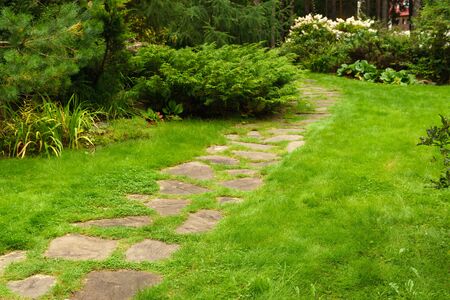
In British gardens, outdoor surfaces such as decking, pathways, and hardscape features are integral to both aesthetics and functionality. Popular choices for decking include softwood timber, hardwood, and increasingly composite materials, each offering distinct benefits in terms of appearance and durability. Pathways are commonly constructed using natural stone, brick, gravel, or concrete pavers, designed to complement the traditional character of UK landscapes. Hardscape elements—such as patios, retaining walls, and edging—often feature locally sourced stone or modern porcelain tiles that withstand varied weather conditions. Given the UKs temperate maritime climate, which is characterised by frequent rainfall and seasonal temperature fluctuations, regular maintenance becomes essential. Persistent moisture can lead to algae growth, moss build-up, and surface staining, which not only diminishes visual appeal but also increases the risk of slipping hazards. Therefore, establishing a monthly cleaning and care routine is vital to preserving the longevity and safety of these outdoor surfaces throughout the year.
Essential Cleaning Supplies and Equipment
Keeping your decking, pathways, and hardscape areas pristine throughout the year requires the right set of cleaning tools and products. British homeowners benefit from selecting supplies that not only provide effective results but are also kind to the environment and readily available from local retailers or garden centres. Below is a guide to essential cleaning equipment tailored for UK homes, including environmentally conscious options.
Recommended Cleaning Tools
| Tool | Purpose | UK Availability | Eco-Friendly Option? |
|---|---|---|---|
| Stiff-Bristle Broom | Sweeping away debris and moss from hard surfaces | Widely available at B&Q, Wickes, Homebase | Yes – opt for FSC-certified wooden handles |
| Pressure Washer (with patio attachment) | Deep cleaning slabs, decking boards, and block paving | Available at Screwfix, Argos, Toolstation | Select models with water-saving features |
| Bucket & Soft Cloths | Spot cleaning stains or rinsing surfaces after treatment | Easily sourced in supermarkets & hardware shops | Cotton or recycled microfibre cloths recommended |
| Long-Handled Scrubbing Brush | Tackling stubborn algae or lichen patches on paths | Garden centres and DIY stores nationwide | Bamboo or recycled plastic options preferred |
| Kneeling Pad or Garden Kneeler | Comfort during manual cleaning tasks in larger areas | Dobbies, The Range, online retailers | Select natural latex or recycled materials versions |
Effective Cleaning Products for Hardscapes in the UK Climate
| Product Type | Best For | Local Examples/Brands | Sustainable Choice? |
|---|---|---|---|
| Paving & Deck Cleaner (biodegradable) | Lifting grime, algae, and mould from exterior surfaces | Ecover Patio Cleaner, Ecozone Outdoor Cleaner | Yes – biodegradable formulas minimise environmental impact |
| Moss & Algae Remover (pet-safe) | Treating green build-up between pavers and on timber decking | MossOff Chemical-Free, Algon Organic Path & Patio Cleaner | Chemical-free options protect local wildlife & pets |
| Sodium Bicarbonate/Baking Soda | Treating spot stains and oil spills | Tesco, Sainsbury’s own brands | Naturally occurring substance; low environmental risk |
| Mild Washing-Up Liquid | General cleaning of wooden or composite decking | Fairy (plant-based range), Ecover washing-up liquid | Opt for plant-derived and phosphate-free varieties |
A Note on Water Usage and Local Restrictions
The unpredictable British weather often means rainfall assists with outdoor cleaning. However, during hosepipe bans or droughts, consider using collected rainwater in your bucket or pressure washer to remain compliant with local regulations. Prioritise products that require minimal rinsing to help conserve water.
Sourcing Locally and Responsibly
Whenever possible, purchase supplies from independent garden centres or community hardware shops. This not only reduces your carbon footprint but also supports local businesses. Look out for “Made in Britain” labels or Forest Stewardship Council (FSC) certifications when choosing brushes and wooden handles. By thoughtfully selecting your cleaning equipment and products, you can maintain stunning outdoor spaces while safeguarding the environment and supporting your local economy.

3. Monthly Cleaning Routine for Decking
Step-by-Step Guide for Wooden and Composite Decks
Keeping your decking in top condition requires a consistent monthly cleaning routine, especially given the UK’s damp climate which can encourage moss and algae growth. Whether you have traditional timber or modern composite decking, following these steps will help maintain safety and appearance all year round.
Step 1: Clear the Surface
Begin by removing garden furniture, plant pots, and any loose debris such as leaves or twigs. Use a stiff broom to sweep the entire surface thoroughly, paying special attention to corners and joints where organic matter tends to accumulate.
Step 2: Inspect and Prepare
Check for signs of damage or loose boards. Tighten screws or fixings if necessary to ensure the deck is secure. This is also a good time to check for any slippery patches that may indicate early moss or algae growth.
Step 3: Wash Down the Deck
For both wooden and composite decks, use a bucket of warm water mixed with a mild, pH-neutral soap (avoid harsh chemicals that can damage finishes). Apply with a soft-bristle brush or mop, scrubbing along the grain of the wood or pattern of the composite. For stubborn stains or green patches, use a dedicated decking cleaner suitable for your material.
Step 4: Rinse Thoroughly
Rinse off all soap residues using a garden hose fitted with a spray attachment. Avoid high-pressure washers on timber decking as they can strip away protective coatings and cause splintering; use them cautiously on composites following manufacturer guidelines.
Step 5: Prevent Moss and Algae
To prevent regrowth during damp months, consider applying an anti-algae treatment once the deck is dry. Products formulated for the UK climate offer lasting protection without harming plants or pets. Position outdoor furniture and planters to allow maximum airflow and sunlight exposure across your decked area.
Extra Tips for UK Conditions
– Clean gutters and downpipes regularly to prevent overflow onto your decking.
– Trim back nearby foliage to reduce shade and improve air circulation.
– Place mats at entry points to minimise dirt being tracked onto your decking.
– If feasible, elevate pots on feet to allow drainage and reduce moisture traps underneath.
By following this structured monthly routine, you’ll extend the life of your decking and enjoy an attractive, slip-free space throughout the changing British seasons.
4. Pathway Maintenance and Care Tips
Maintaining pathways, whether stone, gravel, or paved, is essential not only for kerb appeal but also for safety throughout the year. Regular attention helps prevent slips and trips, especially in the damp British climate where moss and algae thrive. Here are practical tips to keep your paths in top condition:
Routine Cleaning Schedule
Establishing a monthly cleaning routine ensures that pathways remain tidy and hazard-free. Sweep debris such as leaves and twigs promptly to avoid build-up and staining. For paved surfaces, use a stiff brush or pressure washer to remove dirt and grime; for gravel paths, raking redistributes stones evenly and deters weed growth.
Weed Control Methods
Weeds are a persistent issue in the UK due to frequent rainfall. Consider these methods for effective control:
| Method | Description | Best For |
|---|---|---|
| Manual Removal | Pulling weeds by hand or using a hoe | Small areas, isolated weeds |
| Chemical Weedkillers | Selective herbicides applied directly to growth | Larger infestations on paved surfaces |
| Bark Mulch or Membrane | Suppresses weed growth under gravel paths | Long-term prevention, new installations |
Tackling Slippery Surfaces
Moss, algae, and wet leaves can make pathways dangerously slippery. Address this by treating affected areas with a biodegradable path cleaner suitable for local wildlife, followed by a thorough brushing or hosing down. In winter months, consider applying a grit mix to paved paths to improve traction during icy spells.
Safety Checklist for Pathways:
- Inspect regularly for loose stones or uneven paving slabs.
- Repair cracks or gaps promptly to prevent trip hazards.
- Ensure adequate drainage to reduce standing water after rain.
- Add outdoor lighting along main routes for visibility after dark.
Local Tip:
If you live in an area prone to moss, incorporating shade-tolerant ground covers near your pathways can help absorb excess moisture and inhibit moss formation naturally.
5. Caring for Hardscape Features
Maintenance Advice for Patios
Patios are a focal point in many British gardens and require regular care to remain attractive and safe. Begin each month by sweeping away leaves, moss, and debris that can accumulate, especially during wetter months. For more stubborn algae or lichen, use a stiff brush and a mild patio cleaner designed for UK climates—avoid products with harsh chemicals that may damage natural stone or harm surrounding plants. Pressure washing can be effective but should be used sparingly to prevent joint erosion and surface damage.
Looking After Steps
Garden steps are often exposed to the elements and can become slippery or unstable if neglected. Inspect steps regularly for signs of wear, loose slabs, or crumbling mortar. Clean surfaces with warm soapy water and a soft-bristled brush to remove grime and reduce slip hazards. In frosty conditions, avoid using rock salt as it can erode certain materials; instead, opt for sand or specialist de-icing products formulated for hardscapes.
Caring for Decorative Hardscape Elements
Decorative features such as raised beds, retaining walls, and edging stones contribute significantly to the garden’s structure. Check these elements monthly for shifting stones or cracks caused by freeze-thaw cycles common in the UK. Remove invasive weeds growing between stones and apply a jointing compound suitable for British weather to keep gaps sealed. If you have timber features, treat them annually with a weatherproof sealant to combat moisture ingress and rot.
Recommended Products and Techniques
When selecting maintenance products, prioritise those labelled as environmentally friendly and appropriate for local conditions—such as biodegradable patio cleaners or non-corrosive de-icers. Regularly applying protective sealants on stone and concrete surfaces helps to repel water, reduce staining, and inhibit moss growth throughout the damp British seasons.
Consistent Monthly Routine
A proactive monthly maintenance routine not only preserves the appearance of your hardscape but also extends its lifespan. By choosing the right techniques and UK-specific products, you’ll ensure your patios, steps, and decorative features remain both beautiful and functional year-round.
6. Handling Seasonal Challenges
Adapting your care routine for decking, pathways, and hardscape is essential to maintain their condition throughout the year, especially with the unpredictable British weather. Each season in the UK presents unique challenges that require tailored maintenance strategies to ensure outdoor surfaces remain safe and visually appealing.
Dealing with Heavy Rain
The frequent rainfall across the UK can lead to slippery surfaces and moss or algae growth. Ensure that all drains and run-off channels are clear of debris, allowing water to flow freely and preventing pooling. Use a stiff brush and an appropriate cleaning solution monthly to remove any build-up, paying special attention to shaded or north-facing areas where dampness lingers.
Managing Frost and Ice
Winter frost can cause decking boards and paved paths to become hazardous. Regularly sweep away fallen leaves and standing water before temperatures drop to reduce the risk of icy patches. Consider using a salt-free de-icer suitable for timber and stone surfaces; traditional rock salt may damage wood or discolour pavers. After frosty nights, inspect surfaces for signs of cracking or warping and address any issues promptly.
Tackling Leaf Fall
Autumn brings a significant volume of leaf fall, which can trap moisture and encourage decay or staining on hard surfaces. Use a leaf blower or broom weekly during peak leaf-drop months to keep decking and pathways clear. For persistent stains left by decomposing leaves, treat affected areas with a mild detergent suitable for your specific surface material.
Adapting Your Routine Throughout the Year
Establish a flexible maintenance calendar that accounts for seasonal changes typical of the British climate. In spring and summer, focus on cleaning away pollen, dirt, and debris that accumulates during drier spells. As autumn approaches, increase sweeping frequency and check for blocked gutters or drains. During winter, prioritise safety by addressing slip hazards quickly and monitoring for weather-related damage.
Local Expertise Matters
If you’re unsure how best to protect your outdoor spaces from localised weather conditions—such as salt air near coastal areas or higher rainfall in certain regions—seek advice from UK-based professionals who understand regional challenges. By adjusting your care routine to meet seasonal demands, you’ll extend the life of your decking, pathways, and hardscape features while keeping them attractive all year round.
7. Safety and Sustainability Considerations
Ensuring the safety of individuals and the long-term sustainability of your outdoor spaces is an integral part of monthly maintenance for decking, pathways, and hardscape areas. Implementing best practices not only protects those who use these spaces but also aligns with UK environmental standards, supporting wider efforts to reduce ecological impact.
Safe Cleaning Practices
Always opt for non-toxic, biodegradable cleaning products that are safe for pets, children, and local wildlife. Avoid harsh chemicals that can cause slips or damage surfaces. When using a pressure washer, maintain a suitable distance to prevent surface erosion and always wear appropriate protective gear such as gloves and non-slip footwear.
Sustainable Water Usage
Water conservation is essential, particularly during periods of drought or hosepipe bans commonly enforced in the UK. Use a watering can or a bucket rather than a hose where possible to minimise water wastage. Collect rainwater using water butts for cleaning tasks—this not only reduces reliance on mains supply but also limits runoff into local drains.
Eco-Friendly Waste Disposal
Properly dispose of debris collected during cleaning, such as leaves and moss, by composting them where appropriate. For larger waste items or materials that cannot be composted, utilise council-approved green waste bins or recycling centres. Always avoid washing cleaning residues directly into drains, as this can contribute to local water pollution and breach UK environmental regulations.
Ongoing Environmental Responsibility
Regularly check surfaces for signs of wear or hazards, such as loose boards or uneven paving, to prevent accidents. Where repairs are needed, choose sustainably sourced materials certified by organisations like the Forest Stewardship Council (FSC) for timber products. By embedding these safety and sustainability considerations into your monthly routine, you contribute positively to both the usability and the ecological footprint of your outdoor living areas.