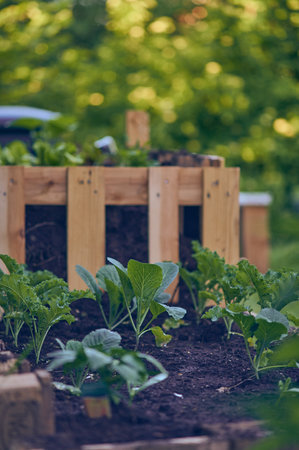
Introduction to Crop Rotation and Soil Health
Crop rotation and effective soil management are foundational practices for any successful garden in the UK, whether you’re working with raised beds or traditional ground plots. These methods not only support plant health and productivity but also play a crucial role in building long-term soil fertility. In the UK, where weather patterns can be unpredictable—ranging from prolonged periods of rain to unexpected droughts—the way we manage our soils and crops becomes even more significant. The unique combination of temperate climate, often heavy clay or sandy soils, and variable rainfall presents both challenges and opportunities for gardeners. By adopting crop rotation and thoughtful soil management strategies, UK growers can mitigate common issues such as nutrient depletion, soil-borne diseases, and compaction, while also maximising yields and resilience. This article explores how these time-honoured techniques can be adapted to the specific demands of British gardens, setting the stage for thriving vegetable plots year after year.
Common UK Garden Layouts: Raised Beds vs Ground Plots
When considering crop rotation and soil management in British gardens, it is essential to understand the two most popular garden layouts: raised beds and traditional ground plots. Both systems are widely used across the UK, each with distinct characteristics that influence soil health, crop choices, and long-term maintenance. Below is a comparison highlighting their key differences, especially in the context of soil properties, ease of maintenance, and their suitability for effective crop rotation schemes.
| Aspect | Raised Beds | Ground Plots |
|---|---|---|
| Soil Properties | Customisable soil mix; excellent drainage; warms up faster in spring; less compaction due to reduced foot traffic. | Dependent on native soil quality; can be heavy or clayey; slower to warm up; may suffer from compaction over time. |
| Maintenance | Easier weed control; defined paths reduce trampling; less bending required—ideal for accessibility; needs periodic topping-up of soil or compost. | Larger areas to manage; more prone to weeds and pests from surrounding soil; may require more effort for digging and weeding. |
| Crop Rotation Suitability | Clear separation allows organised crop rotation even in small spaces; smaller bed size means more frequent planning but easier tracking. | Larger continuous areas allow for traditional four-year or even longer rotations; can accommodate larger crops or quantities but requires careful planning to avoid disease build-up. |
| Suitability for Wet Climates | Superior drainage makes them ideal for the UKs often wet weather, reducing risk of waterlogging. | Poor drainage can be an issue, especially on clay soils common in many parts of Britain. |
| Long-Term Soil Health | Easier to amend with organic matter and improve structure over time; less risk of contamination from surrounding areas. | Amendments can be more labour-intensive due to larger area and possible compaction issues. |
Summary: Raised beds are particularly well-suited for gardeners with limited space or mobility concerns, offering manageable sections for precise crop rotation and improved soil control. Traditional ground plots, while requiring more effort in terms of preparation and maintenance, provide ample space for diverse rotations and larger plantings, making them suitable for those with greater land availability and the desire to grow staple crops. The choice between these layouts should consider both your gardening goals and the unique challenges posed by your local British climate and soil conditions.

3. Designing Effective Crop Rotation Plans for the UK
When planning crop rotation for raised beds and ground garden plots in the UK, it is essential to factor in local climate, soil conditions, and the specific requirements of British-grown vegetables and herbs. An effective rotation plan helps manage soil fertility, minimise pest build-up, and optimise harvests across seasons. The following guidelines will help both beginners and experienced gardeners devise practical crop rotations tailored for British gardens.
Grouping Crops According to Families
Crops should be grouped based on botanical families, as related plants often share similar nutrient needs and pest profiles. For UK gardens, common groups include:
- Brassicas: Cabbage, kale, broccoli, Brussels sprouts
- Legumes: Peas, broad beans, runner beans
- Alliums: Onions, leeks, garlic, shallots
- Root crops: Carrots, parsnips, beetroot, swede
- Solanaceae: Potatoes, tomatoes (under cover), peppers
- Leafy greens & herbs: Lettuce, spinach, chard, parsley, coriander
This classification forms the basis of your rotation plan.
Determining Rotation Cycles
The classic approach in UK gardening is a three- or four-year rotation cycle. This means that a given bed will not see the same crop family until three or four years have passed. For example:
- Year 1: Brassicas
- Year 2: Root crops
- Year 3: Legumes
- Year 4: Potatoes or miscellaneous crops
This cycle can be adapted to fit smaller urban gardens with limited space by combining compatible crops or utilising intercropping techniques.
Timing Considerations in the UK Climate
The British growing season is typically from late March to October. Cool-season crops like peas and brassicas can be started early, while tender crops such as beans and courgettes are best sown after the last frost (usually mid-May). Plan your rotation so that each bed has a succession of crops throughout the year—spring onions followed by summer lettuce, then autumn-planted garlic or overwintering broad beans.
Adapting Rotations for Raised Beds vs Ground Plots
Raised beds warm up quicker in spring and drain more efficiently than ground-level plots. This allows for earlier sowings and faster turnover between crops. In ground plots with heavier soils typical of much of the UK, allow extra time between plantings to avoid compacting wet soil. Regardless of garden type, always ensure you record what was grown where each year to maintain an effective rotation scheme.
A thoughtful rotation plan tailored to your site’s scale and British conditions will promote healthier soils and more reliable harvests year after year.
4. Soil Management Techniques for Healthy Gardens
Maintaining and improving soil quality is essential for successful crop rotation in both raised beds and traditional ground garden plots across the UK. The country’s variable climate, diverse soil types, and the increasing popularity of no-dig gardening all influence best practice. Below is a practical guide to soil management techniques tailored for British gardeners.
Understanding Your Soil Type
Knowing whether your garden has clay, loam, sandy, or silty soil is key. Most UK soils benefit from regular organic amendments to boost fertility and structure. Testing your soil annually—using inexpensive kits available from local garden centres—can help you tailor your approach.
Essential Amendments for UK Gardens
| Amendment | Benefits | Typical Use in Raised Beds | Typical Use in Ground Plots |
|---|---|---|---|
| Composted Manure | Adds nutrients and improves structure | Mix in before planting; avoid fresh manure due to limited depth | Apply autumn/winter; dig in or use as mulch |
| Homemade Compost | Enhances microbial life and retains moisture | Top-dress or lightly fork in each season | Add 2-5cm layer annually over beds |
| Lime (for acidic soils) | Raises pH, especially important for brassicas | Add sparingly, test pH first | Apply late autumn if needed after testing |
Composting: The Cornerstone of Healthy Soil
Bespoke composting suits the UK’s wet winters and variable summers. Aim for a balanced mix of ‘greens’ (kitchen scraps, grass clippings) and ‘browns’ (shredded cardboard, autumn leaves). Turn heaps regularly to prevent sogginess—a common issue with British rainfall. For smaller gardens or raised beds, consider wormeries or hot bins to speed up decomposition.
Green Manures: A Sustainable Solution
Sowing green manures such as field beans, clover, or grazing rye during fallow periods can protect and enrich soil. These crops fix nitrogen, suppress weeds, and improve structure. In raised beds, opt for quick-growing options like mustard; in larger ground plots, overwintering species provide maximum benefit. Always cut down green manures before flowering and incorporate into the soil at least two weeks before sowing food crops.
Quick Reference: Green Manures for UK Gardens
| Green Manure Type | Main Benefit | Sowing Season |
|---|---|---|
| Field Beans | Nitrogen fixing; winter cover | Autumn |
| Clover (Crimson/White) | Nitrogen fixing; attracts pollinators | Spring/Summer |
| Mustard | Fast growing; weed suppression | Late Summer/Early Autumn |
No-Dig Methods: Protecting Soil Life
No-dig gardening is gaining ground in the UK, particularly for raised beds where compaction is less of an issue. Simply add layers of organic matter on top of existing soil each year. This preserves beneficial organisms and reduces weed pressure—a method championed by many British growers such as Charles Dowding.
5. Addressing Local Challenges: Weather, Pests, and Diseases
Gardening in the UK presents its own unique set of challenges, particularly when it comes to weather variability, pest management, and soil-borne diseases. To achieve successful crop rotation and soil management in both raised beds and traditional ground plots, its essential to develop strategies tailored to these local conditions.
Managing Variable Rainfall
The British climate is famously unpredictable, with periods of heavy rain often interspersed with unexpected dry spells. Raised beds offer improved drainage compared to ground plots, but both require attentive water management. Installing water butts to collect rainwater not only supports sustainability but also ensures a ready supply during drier weeks. Mulching around plants helps retain soil moisture and prevents compaction from heavy downpours. In clay soils commonly found in many regions, incorporating organic matter annually improves structure and drainage while supporting robust root development.
Tackling Slug Problems
Slugs are a persistent nuisance for UK gardeners, particularly in damp conditions. Crop rotation plays a part by disrupting their life cycles—moving susceptible crops like lettuce or brassicas between beds each year can help reduce population build-up. Barriers such as crushed eggshells or copper tape around raised beds are popular deterrents. Encouraging natural predators like hedgehogs and frogs by providing suitable habitats nearby is another effective, low-impact solution. Regular evening patrols during wet periods can also keep numbers in check before significant damage occurs.
Combatting Soil-Borne Diseases
Certain diseases thrive in the UKs moist, cool climate—clubroot in brassicas and potato blight are two common culprits. Practising crop rotation is critical here: avoiding planting the same family of crops in the same spot for at least three years can significantly reduce disease pressure. In ground plots with a history of disease, removing infected plant debris and adding fresh compost annually helps rejuvenate the soils microbial balance. For raised beds, replacing some of the growing medium every few years is a practical option if space allows.
Integrated Approaches for Resilience
Combining physical barriers, biological controls, and sound cultural practices creates a resilient system less reliant on chemical interventions. Regular soil testing informs nutrient management, ensuring plants remain healthy enough to withstand local stresses. By adapting these methods to fit your specific garden environment—whether thats an urban raised bed or a rural allotment—youll be better equipped to overcome the distinct challenges faced by UK gardeners.
6. Year-Round Soil and Crop Care Routines
Maintaining healthy soils and productive crops in both raised beds and ground plots requires a thoughtful, year-round approach, especially in the UK’s variable climate. Adapting your routines to the changing seasons ensures that your garden remains resilient, fertile, and ready for each new planting cycle.
Spring: Preparing for Growth
As the soil begins to warm, spring is the ideal time to assess soil structure and amend as needed. In raised beds and traditional plots alike, check for compaction and incorporate well-rotted compost or manure. This not only boosts fertility but also improves moisture retention—critical for the unpredictable British weather. Early sowings of hardy vegetables can go in, but keep horticultural fleece handy for late frosts. Rotate crops according to your plan, making sure brassicas follow legumes or roots to benefit from residual nitrogen.
Summer: Monitoring and Mulching
During summer, regular watering becomes essential—especially in raised beds, which can dry out quickly during hot spells. Mulch with organic matter such as leaf mould or grass clippings to conserve moisture and suppress weeds. Keep an eye out for nutrient deficiencies; a light feed with comfrey tea or seaweed solution can give crops a mid-season boost. Continue to monitor crop health, removing diseased leaves promptly to prevent spread.
Autumn: Replenishing and Rotating
After harvesting summer crops, autumn is the time for soil renewal. Clear away plant debris and add another layer of compost or well-rotted manure to both raised beds and ground plots. Consider sowing green manures like winter rye or field beans; these will protect the soil over winter, fix nitrogen, and improve structure when dug in come spring. Review your crop rotation plan now to ensure next year’s arrangement sustains long-term soil health.
Winter: Protecting and Planning
UK winters are typically wet and mild, so protecting bare soil is vital. Use mulch, cover crops, or even cardboard sheets to prevent erosion and nutrient leaching. Raised beds may require additional attention—ensure drainage is effective to avoid waterlogging. Winter is also a good time for planning; review successes and challenges from the past year and adjust your rotation scheme accordingly. Clean tools and tidy up structures so you’re ready for early spring activity.
Routine Activities Across the Year
- Regularly test pH levels; many UK soils tend towards acidity.
- Add organic matter at least once per year—autumn is best.
- Rotate families of crops annually to break pest cycles.
- Keep paths weed-free to reduce competition for nutrients.
Sustaining Productivity
A consistent routine tailored to the UK’s seasons ensures thriving gardens—whether in compact urban raised beds or traditional allotment plots. By integrating crop rotation with mindful soil management throughout the year, gardeners build resilience against pests, diseases, and unpredictable weather while nurturing rich, productive earth for future harvests.