Introduction to Cottage Garden Borders
The British cottage garden stands as a beloved icon in the world of horticulture, famed for its informal beauty and rich tapestry of colours, textures, and scents. Rooted in centuries-old traditions, these gardens evoke a sense of nostalgia and timeless charm, blending practical planting with ornamental delight. At the heart of this aesthetic lies the layered border—a thoughtfully structured bed where perennials, annuals, shrubs, and climbers intermingle in harmonious abundance. Far from rigid formality, the cottage garden border relies on artful layering to create depth and visual interest throughout the seasons. As we explore how to layer and structure your beds, it’s worth appreciating how this approach encapsulates the relaxed yet purposeful spirit of British gardening, inviting wildlife while ensuring every inch bursts with life and character.
Understanding Soil and Site Conditions
Before you begin planting your cottage garden borders, it’s essential to understand the conditions you’re working with. Assessing your soil type, the aspect of your garden, and local weather patterns will help you select the right plants and structure your beds for lasting success in the UK climate.
Assessing Your Soil Type
The foundation of any successful border is healthy, well-suited soil. In the UK, soils vary widely, from heavy clays to light, sandy loams. Determining your soil type will influence plant selection and inform whether you need to amend your beds before planting.
| Soil Type | Feel/Texture | Drainage | Common Plants |
|---|---|---|---|
| Clay | Sticky, forms a ball when wet | Poor; holds water | Astrantia, Persicaria, Hostas |
| Sandy | Gritty, falls apart easily | Excellent; dries quickly | Lavender, Sedum, Dianthus |
| Loam | Crumbly, balanced feel | Good; retains moisture but drains well | Geraniums, Roses, Peonies |
| Chalky | Alkaline, stony feel | Drains rapidly | Erysimum, Campanula, Wallflowers |
| Silty | Smooth, slippery when wet | Retains moisture well; can compact | Aquilegia, Phlox, Astilbe |
Considering Garden Aspect and Exposure
The aspect—whether your border faces north, south, east or west—affects sunlight exposure and microclimate. In Britain’s variable weather, this is especially important for plant health and flowering.
| Aspect | Description | Best Plants & Notes |
|---|---|---|
| South-facing | MOST sun throughout day; warmer microclimate. | Lavender, Salvias; watch for drought in summer. |
| North-facing | Least direct sun; cooler and shadier. | Ferns, Hellebores; ideal for woodland-style planting. |
| East-facing | Catches morning sun; sheltered from hottest afternoon rays. | Aquilegia, Brunnera; good for many perennials. |
| West-facing | Catches afternoon/evening sun; slightly warmer than east-facing. | Daisies, Rudbeckia; tolerates moderate heat. |
Tuning Into Local Weather Patterns
The UK’s maritime climate means that gardens experience mild winters and relatively cool summers—but there can be marked differences between regions. Consider how much rain your area receives and whether your site is exposed to wind or frost pockets. Coastal gardens may benefit from milder winters but face salt-laden winds; inland sites might have more severe frosts. Checking local forecasts and speaking with neighbouring gardeners can offer invaluable insights.
A Practical Approach to Preparation:
- Test your soil: Take a small sample and moisten it—does it form a ball (clay), fall apart (sand), or hold together loosely (loam)? Test pH with an inexpensive kit to determine if amendments are needed.
- Observe sunlight: Note which parts of the border get full sun (6+ hours), partial shade (3–6 hours), or deep shade (<3 hours).
- Check drainage: After heavy rain, see if water pools anywhere. Poorly draining spots may need raised beds or organic matter incorporated.
- Acknowledge wind and frost: Mark areas exposed to strong winds or late frosts—these may require tough plants or protective hedging.
- Tune into tradition: Classic cottage gardens adapt themselves to their setting—don’t fight your site’s quirks; work with them for authentic charm and healthier borders.
This thoughtful assessment will allow you to layer and structure your beds in harmony with the British climate—setting up your cottage garden for enduring beauty season after season.

3. Selecting Plants for Year-Round Interest
Curating a cottage garden border that is vibrant through all seasons is both an art and a practical exercise. The classic English approach to planting beds relies on blending tradition with a touch of the contemporary, ensuring your borders never feel static. Here are some tips for choosing plants that will provide colour, texture, and movement from spring until winter.
Start with Structure: Evergreens and Shrubs
Begin by anchoring your border with structural evergreens such as box (Buxus sempervirens), yew (Taxus baccata), or even softer alternatives like Hebe and Pittosporum. These provide year-round form and serve as a backdrop for seasonal changes. Intermix these with deciduous shrubs such as Philadelphus or Viburnum opulus for spring blossom and autumn foliage.
Layering Perennials for Seasonal Colour
Choose perennials that peak at different times to ensure continual interest. Classic choices include hardy geraniums, delphiniums, and lupins for early summer, while echinacea, rudbeckia, and asters carry colour into autumn. Don’t neglect modern introductions—Agastache and Salvia nemorosa offer long flowering periods and attract pollinators.
Weaving in Bulbs and Annuals
Bulbs are indispensable for early colour; plant drifts of daffodils, tulips, and alliums beneath taller perennials. For gaps later in the year, sprinkle in annuals like cosmos or ammi majus to keep the border lively and informal—a true nod to the relaxed cottage style.
Using Grasses and Foliage for Movement
Ornamental grasses such as Stipa tenuissima or Miscanthus add movement and softness, especially in breezy British gardens. Combine these with foliage plants like Alchemilla mollis or Heuchera to create contrast and carry visual interest after the main flowering season.
Tip: Plan for Succession
When selecting plants, sketch out a rough flowering calendar so your beds have something special each month. Remember, a successful cottage border delights with surprise—perhaps winter hellebores or late-season sedums for those quieter months.
4. Layering Effectively: Height, Structure, and Flow
One of the defining features of a classic cottage garden border is its artful layering of plants. By arranging your planting scheme according to plant height and growth habit, you can achieve that quintessentially natural yet harmonious look that epitomises English cottage gardens.
Arranging Plants by Size
Begin with an understanding of how to position your plants from back to front. The tallest specimens should form the backdrop, mid-sized plants fill the central ground, and the shortest or trailing varieties soften the edges at the front. This approach not only provides structural interest but also ensures that each plant receives adequate sunlight and space to flourish.
| Layer | Height Range | Plant Examples | Purpose in Border |
|---|---|---|---|
| Tall Backdrop | 120cm+ | Delphiniums, Hollyhocks, Foxgloves | Add drama; create privacy; anchor the border |
| Mid-tier Fillers | 60–120cm | Geraniums, Campanula, Roses (bush types) | Bridge tall and low layers; provide continuous colour |
| Front Edge & Trailers | <60cm or trailing | Lamb’s ear, Alchemilla mollis, Aubrieta | Soften border edge; spill onto paths for relaxed effect |
Encouraging Natural Flow
The true artistry in cottage gardening lies in creating a sense of gentle informality. Avoid rigid straight lines or sharp transitions between layers. Instead, let taller plants drift forward in places and allow lower growers to weave amongst them. This way, your borders will echo the relaxed abundance found in traditional English gardens.
Practical Tips for Layering Success
- Stagger heights: Don’t be afraid to repeat tall plants in small groups throughout the border for a more cohesive look.
- Mingle textures: Combine feathery ferns with bold-leaved perennials and airy grasses for visual interest.
- Avoid overcrowding: Give each plant enough space to reach its full size without being smothered by neighbours.
- Add seasonal interest: Mix evergreen structure with herbaceous perennials and self-seeding annuals for year-round appeal.
The British Touch: Embracing Imperfection
A classic British cottage border celebrates imperfection—let a few foxgloves pop up where they please and don’t be too quick to remove self-seeders. This relaxed attitude is key to achieving that effortless “lived-in” charm so beloved in UK gardens.
5. Incorporating Traditional Features
To truly capture the timeless spirit of a British cottage garden, it is essential to integrate traditional features that both define and enhance your borders. These elements not only contribute to the layered look but also provide structure and charm, making your space feel authentically English.
Weaving in Meandering Pathways
One hallmark of the classic cottage garden is the inviting pathway that winds through exuberant planting. Using materials such as reclaimed brick, weathered flagstones, or even gravel, create paths that gently curve and encourage exploration. These informal walkways help break up planting beds, offer access for maintenance, and draw visitors deeper into the garden, evoking the sense of discovery typical in traditional English plots.
Embracing Recycled and Upcycled Materials
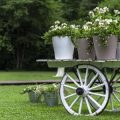
Cottage gardening has long celebrated thriftiness and resourcefulness. Consider incorporating recycled materials such as old terracotta pots, repurposed timber for edging, or salvaged metal for quirky focal points. Not only do these add character and reduce waste, but they also echo the make-do-and-mend ethos woven throughout British horticultural history.
Adding Quintessential British Garden Features
Arches & Obelisks
Nothing says ‘cottage garden’ quite like a rose-covered arch or a sturdy obelisk supporting sweet peas. Install arches at key entrances or transitions between spaces to frame views and add vertical interest. Wooden or metal obelisks can be nestled within borders to give climbing plants support while injecting height and structure among billowing perennials.
Rustic Fencing
For boundary definition with a soft touch, opt for woven willow hurdles or picket fencing painted in traditional whites or muted greens. These rustic barriers keep the space feeling enclosed yet welcoming, echoing rural British garden traditions and providing subtle backdrops against which flowers can shine.
Blending Structure With Informality
The genius of cottage garden borders lies in their balance: structural elements like pathways, arches, and fences anchor the design while allowing planting to remain abundant and relaxed. By thoughtfully layering these traditional features into your beds, you’ll create a landscape brimming with character, practicality, and unmistakable British charm.
6. Maintenance Tips for Lasting Beauty
Keeping your cottage garden borders looking charming and healthy is an ongoing process, but a little regular care goes a long way. Here are some practical tips to help you maintain structure, vigour, and that quintessentially British abundance throughout the seasons.
Pruning for Shape and Health
Prune perennials in late winter or early spring before new growth emerges. This keeps plants compact and encourages fresh shoots, which will fill out your borders beautifully. For shrubs, such as roses or lavender, a light trim after flowering helps maintain their shape and prevents them becoming leggy. Always use sharp, clean secateurs to avoid damaging stems.
Mulching for Moisture and Weed Control
In early spring, spread a generous layer of organic mulch—such as well-rotted manure or leaf mould—around your plants. This helps lock in moisture during unpredictable British summers, suppresses weeds, and enriches the soil as it breaks down. Avoid piling mulch directly against plant stems to prevent rot.
Deadheading for Prolonged Flowering
Regularly remove spent blooms from annuals and perennials alike. Not only does this tidy up your borders, but it also encourages many plants—like cosmos, sweet peas, and geraniums—to produce more flowers. Simply pinch or snip off faded blooms just above a healthy set of leaves.
Encouraging Wildlife Responsibly
Cottage gardens thrive when they invite bees, butterflies, birds, and hedgehogs. Leave seed heads on some plants through autumn for birds to feast on, and provide small piles of logs or stones as shelter for insects and amphibians. Avoid using pesticides; instead, let natural predators manage pests wherever possible.
Seasonal Checks and Adjustments
Every few weeks, walk around your borders with a critical eye: check for overcrowding, disease, or gaps where new plants could be added next year. Stake tall or floppy plants as needed—traditional hazel sticks fit right in—and lift and divide congested perennials every few years to keep them vigorous.
A Living Tapestry Year-Round
By weaving together thoughtful maintenance with an appreciation for nature’s quirks, your cottage garden borders will flourish season after season. A bit of hands-on care ensures they remain both productive and irresistibly beautiful—a true reflection of the British gardening spirit.