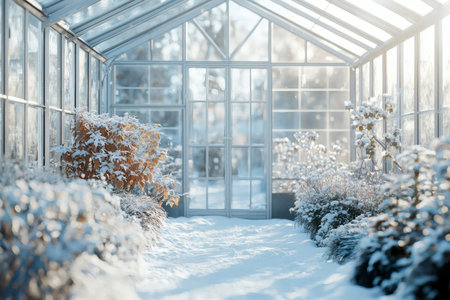
Understanding UK Frost Patterns and Winter Risks
In the United Kingdom, frosty weather and sudden cold snaps are a familiar part of the winter landscape, but their impact can vary significantly across different regions. Typically, cold snaps occur when polar or Arctic air masses move southwards, causing rapid drops in temperature that can catch residents and communities off guard. The frequency and severity of frost differ between rural areas—such as the Scottish Highlands or northern England—and milder, coastal locations like Cornwall or the South East. While some regions may experience prolonged sub-zero nights leading to persistent ground frost, others might only see occasional icy mornings. These unpredictable temperature swings pose considerable risks to infrastructure, homes, and daily life. For instance, unprepared households may face burst pipes, condensation issues, or inadequate heating performance. On a broader scale, local councils and emergency services must respond to increased demands for support during periods of extreme cold. Understanding these patterns is crucial for both individual homeowners and community planners to implement effective emergency measures that mitigate risks associated with sudden frosts.
2. Assessing Vulnerabilities in Homes and Buildings
Effective emergency planning for sudden cold snaps begins with a thorough assessment of the vulnerabilities present in domestic and commercial buildings. In the UK, many properties—especially those featuring traditional British housing stock—are constructed with local materials that may not always provide optimal resistance to frost. Understanding which structural elements and systems are most at risk is crucial for implementing timely ventilation and heating measures.
Identifying At-Risk Structures
British homes exhibit a wide variety of construction types, from Victorian terraced houses built with solid brickwork to post-war semi-detached properties relying on cavity walls. Each style responds differently to extreme cold. For example, older solid-wall buildings tend to lose heat more rapidly than those with modern insulation, making them particularly susceptible during frost events.
| Building Age/Type | Common Materials | Vulnerability to Frost |
|---|---|---|
| Pre-1919 (Victorian/Edwardian) | Solid brick or stone, timber frames, sash windows | High – Poor insulation, draught-prone joinery, cold bridging issues |
| 1920–1970 (Interwar/Post-war) | Cavity wall brickwork, single glazing, concrete tiles | Medium – Variable insulation levels, some thermal bridging risks |
| Post-1970 (Modern Builds) | Cavity insulation, double glazing, lightweight blocks | Low – Better insulation but may have ventilation weaknesses if poorly maintained |
Key Systems Susceptible to Frost Damage
- Pipes and Plumbing: Uninsulated pipes—especially those in lofts or external walls—are prone to freezing and bursting.
- Boilers and Heating Systems: Older boilers or exposed condensate pipes can fail during frosty spells.
- Ventilation Ducts: Inadequately insulated or blocked air bricks may restrict airflow, leading to condensation or dampness as temperatures fluctuate.
- Roof Spaces: Traditional roofs with insufficient insulation allow rapid heat loss and encourage ice dam formation at gutters.
Assessment Guidelines for Homeowners and Facility Managers
- Conduct a Visual Inspection: Check for visible gaps around doors, windows, and floorboards; inspect lofts for pipe lagging and roof insulation coverage.
- Review Building Records: Identify the age and construction type of your property to anticipate common weaknesses.
- Monitor Internal Temperatures: Use thermometers in different zones to spot areas losing heat excessively during frosty periods.
- Test Ventilation Routes: Ensure that air bricks, trickle vents, and extractor fans are clear of obstructions before cold weather sets in.
Towards Proactive Protection
A clear understanding of how traditional British building methods interact with local weather conditions enables property owners to prioritise emergency heating and ventilation upgrades. Early identification of vulnerable areas is the first step towards resilient living environments in the face of sudden frost events.

3. Emergency Ventilation Strategies
Maintaining healthy indoor air quality during sudden cold snaps can be challenging, especially in the UK where homes are often built to retain heat. However, proper ventilation is crucial to prevent condensation, which can lead to dampness and mould growth—a common concern in British households. Implementing safe and effective emergency ventilation strategies is essential for coping with frost while safeguarding your property’s integrity.
Practical Tips for Managing Indoor Air Quality
During severe cold spells, it’s tempting to keep windows tightly shut, but this can trap moisture indoors. To balance warmth and air quality, adopt the following approaches:
1. Short, Controlled Ventilation Bursts
Open windows briefly (5–10 minutes) each morning and evening, ideally in rooms most prone to moisture such as kitchens and bathrooms. This allows stale air to escape without significantly lowering the indoor temperature.
2. Use of Trickle Vents
If your windows have trickle vents, keep them open throughout the day. These small openings allow continuous airflow while minimising heat loss—an approach particularly suitable for modern UK double-glazing systems.
3. Internal Door Management
Keep internal doors closed when ventilating specific rooms to contain cold air and prevent it from spreading throughout your home. Focus on ventilating one room at a time for targeted effectiveness.
4. Moisture Source Control
Use extractor fans in kitchens and bathrooms during activities like cooking or showering. Avoid drying clothes indoors if possible; if unavoidable, use a vented tumble dryer or ensure the area is well-ventilated.
5. Safe Practices for Older Homes
If you live in a period property or a home with single glazing, take extra care not to over-ventilate, as these homes lose heat quickly. Opt for brief, regular ventilation rather than leaving windows ajar for long periods.
Preventing Condensation Damage
By adopting these tailored ventilation methods, you reduce the risk of condensation build-up on windows and walls—a frequent cause of paint damage, wallpaper peeling, and structural concerns in UK properties. Regular monitoring and responsive action are key: check for signs of dampness and adjust your strategies accordingly to maintain both comfort and protection against frost-related issues.
4. Temporary Heating Solutions
When a sudden cold snap hits, temporary heating becomes a critical consideration for maintaining comfort and safety in UK homes and workplaces. Below is a breakdown of emergency heating options widely available across the country, including practical advice on safe usage, energy efficiency, and local appliance availability.
Emergency Heating Options in the UK
| Type of Heater | Energy Source | Suitable For | Key Safety Tips | Availability |
|---|---|---|---|---|
| Electric Fan Heaters | Electricity | Small rooms, quick heat-up | Keep clear of curtains; never cover unit; avoid extension leads | Widely available at supermarkets, hardware stores, online retailers |
| Oil-Filled Radiators | Electricity | Bedrooms, continuous low-level heating | Place on flat surfaces; don’t drape clothes over; check for leaks | Available at Argos, B&Q, Screwfix, major online shops |
| LPG/Portable Gas Heaters | Bottled gas (butane/propane) | Larger rooms or garages with ventilation | Ensure good ventilation; install carbon monoxide alarms; keep away from combustibles | Available at specialist retailers and some garden centres; gas bottles via local suppliers |
| Halogen Heaters | Electricity | Personal use, close proximity heating | Don’t leave unattended; stable placement required; keep away from water sources | Common in supermarkets and high street electrical shops |
| Ceramic Heaters | Electricity | Kitchens, bathrooms (with IP rating) | Avoid wet environments unless rated; do not block air intake/outlet grills | B&Q, Wickes, Currys PC World, online platforms like Amazon UK |
Safe Usage Guidelines and Energy Efficiency Tips
- Read Instructions: Always refer to the manufacturer’s guidelines before use.
- Avoid Overnight Use: Do not leave portable heaters running while sleeping unless specifically designed for overnight operation.
- No Obstructions: Maintain clear space around heaters to prevent fire hazards.
- Thermostat Control: Choose heaters with thermostats or timers to reduce energy waste and costs.
- Draught-Proofing: Minimise heat loss by sealing gaps around doors and windows before turning on any temporary heater.
- Avoid Multi-Plug Extensions: Plug heaters directly into wall sockets to prevent electrical overloads.
Sourcing Appliances During Emergencies
If you require emergency heating during a frost event, start by checking stock levels at national chains such as Argos, B&Q, or Screwfix, which often update their websites with real-time availability. Local independent hardware shops may also have last-minute supplies. For rural areas or when travel is restricted due to ice or snow, online retailers offering next-day delivery can be invaluable. If using gas appliances for the first time, ensure your supplier offers guidance on safe setup and provides necessary accessories such as regulators or hoses.
Selecting an appropriate temporary heating solution will help you maintain warmth while prioritising safety and efficiency throughout any sudden cold snap experienced in the UK.
5. Implementing Community Support Networks
Fostering Neighbourly Cooperation
In the face of sudden cold snaps, the British tradition of community spirit becomes especially vital. Establishing strong lines of communication with neighbours is a first step in safeguarding vulnerable individuals, such as the elderly or those with limited mobility. Simple measures, like forming WhatsApp groups or regular check-in phone calls, ensure everyone remains informed about frost warnings and available resources. Sharing updates on local conditions or road closures can help residents plan safe journeys and avoid unnecessary risks during severe weather.
Coordinating with Local Authorities and Services
Local councils and emergency services in the UK often provide support during extreme weather events. Residents are encouraged to familiarise themselves with local resources, such as designated warm spaces, gritting schedules for pavements and roads, and emergency contact numbers. Proactively sharing this information within the community not only enhances individual preparedness but also strengthens collective resilience. If additional assistance is required, community leaders or neighbourhood watch coordinators can liaise directly with authorities to request welfare checks or emergency supplies for those most at risk.
Pooling Resources for Greater Impact
Pooling household resources—such as spare heaters, blankets, or hot water bottles—can make a significant difference for those facing unexpected heating failures. Organising a local inventory of available equipment and volunteers willing to assist with deliveries or minor repairs ensures prompt support where it is needed most. Community centres and religious institutions may also offer their premises as temporary shelters during prolonged cold spells, reflecting the longstanding UK value of looking after one another.
Encouraging Proactive Preparedness
Ahead of forecasted frosts, communities should encourage residents to check on their neighbours, especially if they live alone or have health conditions exacerbated by cold weather. Distributing leaflets with advice on ventilation, heating safety, and energy-saving tips further empowers individuals to take preventative action. By fostering a culture of mutual aid and practical cooperation, UK communities can effectively mitigate the risks associated with sudden frost events while reinforcing social bonds that endure beyond the winter months.
6. Post-Snap Recovery and Long-Term Preparations
Assessing the Impact of Frost Events
After a sudden cold snap, it is crucial to thoroughly assess any damage sustained by your property, plants, or infrastructure. Begin with a systematic inspection of vulnerable areas such as water pipes, greenhouse glazing, ventilation systems, and heating equipment. Make detailed notes of visible frost damage, including cracked pipes, wilted plants, and malfunctioning systems. This process will help you determine the scale of repairs required and prioritise essential actions.
Accessing Local Support and Resources
In the UK, a wealth of local support services and resources are available to assist homeowners and growers after severe frost events. Contact your local council for emergency assistance schemes or community resilience programmes. Agricultural extension offices and horticultural societies often provide guidance on best practices for recovery. Additionally, neighbours and community groups can be invaluable in sharing advice, tools, or even manpower during post-snap recovery efforts.
Investing in Upgrades for Future Resilience
To better withstand future cold snaps, consider investing in long-term upgrades that enhance your property’s resilience. This might include installing double-glazed windows in greenhouses, upgrading to more efficient insulation materials, or integrating smart heating controls that can be monitored remotely. For those managing larger growing operations, automated frost protection systems such as thermostatically controlled fans or under-soil heating cables can offer peace of mind during unpredictable weather.
Planning Ahead: Building a Robust Cold Weather Strategy
A comprehensive approach involves not only physical improvements but also developing an actionable cold weather response plan. Review what worked well during the last event and identify areas for improvement. Regularly service all heating and ventilation equipment before winter sets in and maintain a checklist for emergency supplies like backup heaters, fleece covers, and de-icing agents.
Conclusion: Strengthening Community and Individual Preparedness
Recovery from a frost event is not just about immediate repairs but also about building long-term resilience. By proactively assessing damage, tapping into local support networks, and investing in practical upgrades, both individuals and communities across the UK can be better prepared for the challenges posed by future cold snaps.