The Importance of Urban Bees
Bees are far more than just a charming sight on a summer’s day—they’re essential workers in the complex web of our urban ecosystems. In cities and towns across the UK, bees play a crucial role in pollinating not only wildflowers and garden plants, but also many of the fruits and vegetables that end up on our plates. As natural habitats become increasingly fragmented by development, the green spaces we have—no matter how small—take on new significance for local biodiversity. Encouraging bees, even on a modest balcony or in a window box, helps to support pollinator populations that are under real pressure from habitat loss, pesticides, and disease. Every flowering plant you provide can be a lifeline for these vital insects, contributing to healthier, more resilient urban environments for all of us. In short, supporting bees in your own patch is a practical way to make a positive impact on both your neighbourhood and the wider environment.
2. Best Bee-friendly Plants for British Balconies
Creating a bee-friendly balcony or window box in the UK starts with making informed plant choices, especially when space is limited. Selecting native and well-adapted flowering species ensures that your urban haven supports local bee populations while thriving in the often unpredictable British climate. Here’s a practical guide to help you pick the right plants for your compact outdoor space.
Why Native and Well-Adapted Plants Matter
Native and well-acclimatised species are best suited for supporting bees because they provide familiar nectar and pollen sources throughout the season. They are also more likely to thrive in local soil and weather conditions, requiring less fuss and maintenance—a real boon for busy city dwellers.
Top Picks for Compact Spaces
The following table outlines some of the best bee-friendly plants suitable for balconies, window boxes, and other small spaces across Britain:
| Plant Name | Type | Flowering Season | Growing Tips |
|---|---|---|---|
| Lavender (Lavandula angustifolia) | Perennial | June–August | Sunny spot, well-drained compost, trim after flowering |
| Thyme (Thymus vulgaris) | Herbaceous perennial | May–September | Pots or troughs, sun-loving, drought-tolerant |
| Cornflower (Centaurea cyanus) | Annual | June–September | Sow direct in spring, prefers full sun, deadhead regularly |
| Cranesbill Geranium (Geranium pratense) | Perennial | May–July | Tolerates partial shade, low-maintenance, good in containers |
| Borage (Borago officinalis) | Annual herb | June–September | Easily grown from seed, attracts bees strongly, edible flowers |
| Ivy-leaved Toadflax (Cymbalaria muralis) | Perennial climber/trailer | April–October | Drapes over boxes, shade tolerant, thrives in cracks & crevices |
| Sage (Salvia officinalis) | Shrubby perennial herb | May–August (flowers) | Pots or beds, needs drainage, aromatic leaves attract pollinators year-round |
| Lungwort (Pulmonaria officinalis) | Perennial groundcover | March–May | Tolerates shade, early food source for emerging bees |
TIPS FOR MAXIMISING BEE BENEFITS IN SMALL SPACES:
- Diversity is key: Mix several types with staggered blooming periods to provide continuous food for bees from early spring through late autumn.
- Avoid double-flowered varieties: These often lack accessible nectar and pollen.
- No pesticides: Even organic or “bee-safe” sprays can harm pollinators—stick to manual methods if pests arise.
A Final Word on Urban Bee Support:
Your choice of plants can transform even the smallest balcony into a vital pitstop for bees navigating the city. By opting for native and robust varieties tailored to British conditions, you create a resilient pocket of biodiversity—right outside your window.

3. Design Tips for Small Spaces
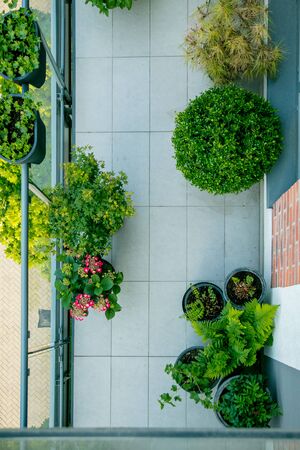
Making the most of compact balconies and window boxes to attract bees requires a blend of thoughtful design and practicality, especially with the unpredictability of British weather. Begin by choosing containers that offer good drainage; terracotta pots and sturdy planters are both classic and effective. Arrange these in clusters at varying heights to create a layered effect—this mimics nature and helps bees find flowers more easily. For window boxes, opt for deep containers to support root growth, ensuring that your bee-friendly plants can thrive even in exposed locations.
Vertical gardening is another smart solution for space-limited settings. Use trellises or wall-mounted planters to grow climbers like honeysuckle or sweet peas, which are not only nectar-rich but also add greenery without taking up precious floor space. Always position your planters where they’ll receive ample sunlight, as most pollinator-friendly plants need at least six hours of direct sun. Consider British weather patterns: secure containers against wind, and choose robust, rain-tolerant varieties like lavender, borage, or hardy geraniums.
Drainage is crucial in the UK’s often damp climate. Elevate pots slightly using pot feet or bricks to prevent waterlogging after heavy showers. When arranging your display, group plants with similar water and light needs together—this makes care simpler and ensures healthy growth. Lastly, keep access paths clear for easy maintenance, so you can regularly deadhead spent blooms and top up water supplies during dry spells, keeping your mini bee haven thriving year-round.
4. Creating Shelter and Water Sources
To truly make your balcony or window box inviting for bees, it’s essential to provide them with both safe nesting spots and reliable water sources. Fortunately, these needs can be met with readily available materials and simple approaches that suit UK homes.
Safe Nesting Spots for Bees
Many solitary bees, such as mason bees and leafcutter bees, are common in the UK and prefer small cavities for nesting. You don’t need a large garden to support them—just a bit of creativity and care. Here are practical suggestions:
| Nesting Option | Materials Needed (Easily Sourced in the UK) | Tips for Success |
|---|---|---|
| Bee Hotel | Bamboo canes, hollow stems, wooden blocks with holes drilled (6-8mm diameter), untreated wood | Place in a sheltered, sunny spot facing south or southeast; avoid rain exposure |
| Piles of Twigs and Hollow Stems | Twig bundles, dry plant stems from pruned perennials | Tie loosely together and tuck into corners or hang on railings |
| Drilled Logs | Sections of untreated logs or thick branches | Drill holes of varying depths; keep off the ground to avoid dampness |
Providing Water for Bees
Even in urban spaces, bees need clean water—not just for drinking but also for cooling their hives and diluting honey. A shallow source is ideal to prevent drowning. Here’s how you can help:
- Use a shallow dish or saucer—repurpose an old terracotta pot tray or ceramic dish.
- Add pebbles or marbles so bees have a place to land safely while drinking.
- Change the water every couple of days to prevent stagnation and mosquito larvae.
Simple Bee Water Source Example
| Item Needed | Description / Where to Find |
|---|---|
| Saucer or tray (shallow) | Re-use kitchenware or pick up from local charity shops or garden centres |
| Pebbles/marbles | Collect from walks, use aquarium gravel, or buy from hardware stores |
Cultural Tip: Keep It Discreet
If you share outdoor space with neighbours, choose subtle materials and tidy arrangements to maintain a harmonious look. Many British residents appreciate considerate gardening that enhances shared views without clutter.
5. Avoiding Common Pitfalls
Creating a bee-friendly balcony or window box in the UK is not just about what you add, but also what you avoid. There are several common mistakes that can inadvertently make your small space less welcoming to bees. Understanding these pitfalls and how to steer clear of them will ensure your efforts truly benefit our pollinator friends.
Avoid Pesticides
It can be tempting to use chemical pesticides when pests appear, but even products labelled as “bee-safe” can harm bees and other beneficial insects. Instead, opt for natural pest control methods such as encouraging ladybirds or using homemade sprays like diluted soap solutions. Remember, a few nibbled leaves are a small price to pay for supporting wildlife.
Don’t Over-tidy
While it’s nice to keep your outdoor space looking neat, excessive tidying removes valuable resources for bees. Dead stems, fallen petals, and leaf litter can provide shelter and nesting materials. Consider leaving some areas a little wild, especially over winter, so solitary bees have somewhere to overwinter or lay eggs.
Resist the Urge for Uniformity
Bees thrive on variety. Avoid planting only one type of flower or opting for highly bred ornamental varieties with little nectar or pollen. Choose traditional cottage garden plants and native wildflowers instead—these are not only resilient in British weather but are also proven favourites with local bee species.
Avoid Artificial Turf and Plastic Plants
Artificial grass or plastic flowers may look tidy year-round but offer nothing for pollinators. Even a few real pots or window boxes bursting with life are far more valuable than expanses of faux greenery.
Keep Water Safe
If you provide water for bees, ensure shallow dishes with stones or marbles so they don’t risk drowning. Change the water regularly to prevent stagnation.
By being mindful of these common pitfalls, you’ll create a genuinely welcoming haven for bees in your small space—helping them thrive while enjoying nature up close from your own home.
6. Joining Local Bee-friendly Communities
Getting involved with local bee-friendly communities is a fantastic way to extend your impact beyond your own balcony or window box. Across the UK, numerous organisations and projects actively promote bee conservation, providing support, resources, and opportunities for urban dwellers to make a difference.
British Organisations Championing Bees
The Bumblebee Conservation Trust is a leading charity dedicated to saving the UK’s bumblebees. They offer advice on creating pollinator habitats in small spaces and often run workshops and events suitable for beginners. Similarly, Buglife works to protect all invertebrates, including bees, and encourages people to participate in urban wildlife gardening initiatives.
Online Groups and Forums
If you’re looking to connect with like-minded individuals, online groups such as the Urban Pollinators Project and various Facebook communities provide platforms to exchange tips, share progress photos, and ask questions about bee-friendly planting. The Royal Horticultural Society (RHS) also maintains active online forums where gardeners from across Britain discuss supporting pollinators in city settings.
Local Projects and Community Gardens
Many towns and cities across the UK now have community gardens or “In Bloom” groups that prioritise pollinator-friendly planting. Joining these projects allows you to collaborate on larger-scale efforts and learn from experienced gardeners. Check your local council’s website or community noticeboards for ongoing bee conservation projects in your area.
By engaging with these organisations, online groups, and local initiatives, you not only gain practical knowledge but also become part of a supportive network working towards a more bee-friendly Britain—even from the smallest of spaces.