Embracing Tradition: Rain Butts in Classic British Cottages
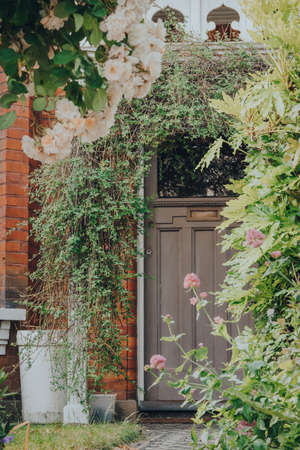
Step into any charming English village and you’ll find rain butts quietly standing sentry beside time-worn cottages, as much a part of the landscape as cobblestone lanes and trailing honeysuckle. In these classic British gardens, the humble rain butt has earned its place not just for practicality, but for how it complements the timeless aesthetic of cottage life. Nestled against heritage brickwork or tucked under thatched eaves, these water-saving vessels seem to grow from the very earth itself, surrounded by lush lawns and climbing roses. With traditional barrels often crafted from sturdy oak or painted in muted greens, they blend effortlessly with nature’s palette and the garden’s gentle disarray. For generations, families have relied on these rain butts to nurture vegetable patches and borders bursting with delphiniums or foxgloves, carrying on a sustainable tradition that feels as natural as afternoon tea. Indeed, it’s hard to imagine an English cottage garden without one — proof that good design is never out of fashion.
Modern Marvels: Contemporary Rain Butt Designs
As British homes have evolved, so too have the humble rain butts that grace our gardens. While classic cottages may call for rustic barrels, today’s modern builds and sleek garden spaces demand something altogether different. Contemporary rain butt designs are a testament to minimalist aesthetics, clean lines, and clever integration with both home and garden architecture. These aren’t your grandmother’s water barrels; they are functional pieces of design that echo the ethos of 21st-century living.
Minimalism Meets Functionality
Gone are the days of chunky plastic tubs or cumbersome wooden casks in every corner. Modern rain butts often feature slim profiles, smooth finishes, and geometric forms that blend seamlessly with rendered walls, patio tiles, or even chic balcony setups. The focus is on simplicity—uncluttered shapes and neutral tones—making these butts almost sculptural in appearance while never compromising on capacity or accessibility. Many newer models come with innovative fittings such as integrated planters or hidden taps, allowing for easy use without disrupting the visual harmony of a contemporary space.
Sustainability at the Forefront
Eco-consciousness is at the heart of modern British design, and this extends to rainwater harvesting solutions. Today’s rain butts are frequently crafted from recycled plastics, sustainably sourced timber, or powder-coated metals designed for longevity and minimal environmental impact. These materials not only contribute to a greener lifestyle but also ensure the durability necessary to withstand our ever-unpredictable weather.
Comparison of Contemporary Rain Butt Materials
| Material | Key Features | Sustainability |
|---|---|---|
| Recycled Plastic | Lightweight, UV-resistant, low maintenance | High – Utilises post-consumer waste |
| Sustainably Sourced Timber | Natural look, blends with decking/fencing | Medium – Depends on certification |
| Powder-Coated Metal | Sleek finish, robust against rust and corrosion | Medium/High – Long-lasting, recyclable |
A Statement Piece for Every Garden
The best part about these modern marvels is their ability to serve as both practical tools and focal points within a garden. Whether tucked beside a bi-fold door or standing proud at the end of a gravel path, a contemporary rain butt is an investment in style as well as sustainability. For those building anew or refurbishing their outdoor spaces, choosing a model that aligns with both personal taste and environmental values has never been easier—or more rewarding.
3. Blending In or Standing Out: Choosing Colours and Materials
When it comes to rain butt design, one of the most charming decisions lies in selecting finishes and materials that best suit your garden’s character. In Britain, where gardens are as individual as their caretakers, rain butts no longer need to be hidden away behind sheds or tucked under ivy. Today, there’s a wealth of options that allow you to either blend your water butt seamlessly with its surroundings or make it a proud centrepiece.
For those who love the classic English country garden look—think winding paths, rose arches, and thatched cottages—the traditional hues of deep green and warm terracotta remain popular choices. These colours evoke a sense of nostalgia and quietly merge into the natural palette of foliage and brickwork found in many older gardens. Paired with time-honoured materials like cast iron or robust polyethylene styled to mimic clay, these butts can sit unobtrusively by a greenhouse or at the end of a vegetable plot, collecting rainwater without drawing unnecessary attention.
On the other hand, contemporary homes often lend themselves to more striking statements. For modern spaces characterised by clean lines and minimalist planting schemes, rain butts crafted from sleek slate-grey composites or bold corten steel offer an entirely different aesthetic. Slate finishes are especially discreet—ideal for tucking alongside modern fencing or raised beds—while corten steel develops a rusty patina over time, becoming a living artwork in its own right. Such materials don’t just serve a practical function; they add architectural interest and can even spark conversation among visitors.
The choice between blending in or standing out is very much a personal one. Some gardeners prefer their water butt to echo the tones of nearby walls or fences, creating harmony throughout the outdoor space. Others relish the opportunity to introduce contrast—a pop of colour or an unexpected texture—that brings energy and personality to their garden. Whether your outdoor haven is steeped in history or cutting-edge design, today’s range of rain butt finishes ensures there is something perfectly suited for every corner of British life.
4. Practical Meets Picturesque: Functional Design Features
When it comes to rain butt design, the modern British gardener expects more than just a simple water barrel tucked away in a corner. Today’s options blend practical features with charming aesthetics, making them a welcome addition to any garden style—from the most rustic cottage plot to slick city terraces. Let’s take a closer look at some clever design elements that ensure your rain butt is as functional as it is attractive.
Innovative Features for Everyday Ease
Gone are the days when a rain butt was simply a utilitarian vessel. Now, manufacturers are integrating features like built-in watering cans and detachable spouts, so you can easily fill your can without fussing with awkward lids or heavy lifting. These thoughtful touches mean you’re more likely to make use of collected rainwater, saving both effort and money over time.
Planters on Top: Adding Greenery and Grace
If you’re after something that truly blends in with your garden’s natural beauty, consider a rain butt topped with an integrated planter. Not only do these designs disguise the barrel itself, but they also offer extra planting space—perfect for trailing lobelia or cheerful pansies. This dual-purpose approach ensures your water storage solution enhances rather than detracts from your outdoor aesthetic.
Child-Safe Taps: Safety Without Sacrificing Style
Families with young children will appreciate models fitted with child-safe taps. These safety features help prevent little hands from accidental flooding or water wastage while still maintaining a sleek exterior. Many taps come in classic brass or muted black finishes, keeping them in step with contemporary tastes.
Comparing Practical Rain Butt Features
| Feature | Description | Best For |
|---|---|---|
| Integral Watering Can Holder | Keeps watering cans handy and makes filling easy | Cottage gardens, busy households |
| Planter Top | Blends rain butt into flower beds; adds visual interest | Small spaces, decorative gardens |
| Child-Safe Tap | Prevents unwanted spills; safe for families | Homes with children, shared gardens |
| Slimline Shape | Fits narrow alleys or behind sheds discreetly | Court gardens, urban homes |
| Lockable Lid | Keeps out debris and wildlife; added security | Countryside properties, allotments |
A Blend of Beauty and Utility for British Gardens
The best rain butts today ensure you don’t have to choose between form and function. Whether you’re nurturing roses by the cottage door or tending tomatoes on a London balcony, these practical yet picturesque features help every drop of precious rainwater go further—while keeping your garden looking its very best.
5. British Weather, British Solutions: Maximising Rainwater Collection
If there’s one thing us Brits can rely on, it’s a good bit of rain—sometimes too much of it! But whether you’re in a cosy village cottage or a slick city terrace, making the most of our unpredictable skies is both practical and rewarding. Here’s some tried-and-true advice from generations past and present for optimising your rain butt setup to suit every garden style.
Perfect Positioning: Catch Every Drop
Your rain butt’s position can make all the difference. Place it beneath a downpipe that sees plenty of action—ideally on the side of the house that faces prevailing winds, as these often bring the heaviest showers. If you’ve got a shed or greenhouse, don’t overlook their guttering; smaller spaces can still collect surprising amounts over time. Remember, easy access for your watering can or hose is just as important as collecting water efficiently.
Linking Multiple Butts: A Classic British Solution
For those with larger gardens or simply keen on never running dry during summer hosepipe bans, linking multiple rain butts together is an old favourite. You can connect them using simple kits or even bits of leftover hose—waste not, want not, as my gran used to say! This allows overflow from one butt to fill the next, making use of every last drop and giving you a continuous supply throughout drier spells.
Custom Overflow Solutions: Keep Your Garden Dry (and Stylish!)
Overflow management isn’t just about avoiding soggy lawns—it’s also an opportunity to get creative. Redirect excess water into decorative soakaways or channel it towards thirsty flower beds using underground pipes. For modern homes, you might opt for sleek diverter kits that match contemporary exteriors, while cottage gardens benefit from charming stone drains or rustic barrel overflows. Either way, the goal is to keep your garden thriving without turning it into a marsh!
Weather Wisdom: Planning for All Seasons
Our climate’s fickle nature means flexibility is key. In winter, consider insulating your butts to prevent freezing—a layer of hessian sacking does wonders—or leave space for expansion if ice forms. Come spring and summer, check fittings regularly and clear out any debris that’s settled at the bottom. With these little touches, your rainwater system will see you through heatwaves and downpours alike—very much in the spirit of British resilience.
6. A Personal Touch: Customising Your Rain Butt
If there’s one thing we Brits know, it’s that a garden should reflect the character of its owner. No matter if you live in a chocolate-box cottage or a sleek new-build, your rain butt needn’t be just a practical afterthought. Adding a dash of personality is easier than you might imagine and brings warmth to every nook of your outdoor space.
Upcycling for Individuality
One of the most satisfying ways to make your rain butt stand out is by upcycling. Perhaps you’ve stumbled across an old whisky barrel at the local car boot sale or inherited a metal drum from your uncle’s allotment days. With a bit of elbow grease and creativity, these can be transformed into charming rainwater collectors that tell a story and fit seamlessly with any garden style—from rustic to urban chic.
Decorative Painting and Traditional Motifs
For those who enjoy getting their hands dirty (and not just with compost), painting your rain butt is both practical and pleasing. Weatherproof paints come in all shades imaginable, so you can match your rain butt to the trim of your shed or pick colours that echo the blooms in your borders. Fancy adding a touch of heritage? Try stencilling classic motifs like roses, thistles, or even the Union Jack for a truly British flourish.
Garden Ornaments and Finishing Touches
Sometimes it’s the little details that make all the difference. Why not frame your rain butt with climbing plants—think fragrant honeysuckle or ever-dependable ivy—to help it blend into the greenery? Alternatively, nestle it among decorative pots, quirky gnomes, or even a cheeky hedgehog statue to create a corner full of whimsy and life. These finishing touches ensure your rain butt feels right at home whether it sits in a village garden or on a city patio.
After all, as any seasoned gardener will tell you, it’s these personal touches that make a house—and garden—a true home. By customising your rain butt, you’re not only embracing sustainable living but also weaving your own thread into Britain’s rich tapestry of gardening tradition.