
Introduction: The Heart of a British Cottage Garden
Picture yourself wandering through a sun-dappled garden path, where the gentle perfume of sweet peas mingles with the earthy tones of lavender. This is the heart and soul of the British cottage garden—a delightful tapestry woven from generations of tradition, creativity, and a touch of wild whimsy. Nestled amid rolling green fields or quaint stone cottages, these gardens have enchanted families for centuries, becoming a cherished part of rural life in Britain. What truly gives them their timeless character is the harmonious blend of perennials and annuals. Perennials, with their reliable yearly return, form the backbone and continuity of these plots, while annuals bring bursts of colour and playful spontaneity each season. Together, they mirror the ever-changing yet enduring charm of the countryside. Blending these plant types isn’t just about aesthetics; it’s a family ritual, an invitation for every generation to participate in shaping a living legacy. As we explore the quintessential elements that define this much-loved garden style, we’ll discover how the artful mix of perennials and annuals is key to capturing that elusive essence—one that feels both nostalgic and refreshingly alive, year after year.
2. Perennials: The Steadfast Storytellers
In the quintessential British cottage garden, perennials are more than just plants—they are the keepers of tradition and the backbone of every flourishing border. Their reliable return each year provides a comforting sense of continuity, much like cherished family rituals passed down through generations. Think of perennials as the wise grandparents in your garden’s story, quietly anchoring the scene while new characters come and go.
The Role of Perennials in Structure and Continuity
Perennials offer structure, filling borders with lush foliage and dependable blooms season after season. Unlike annuals, which live fast and fade away, perennials settle in and grow stronger with time, shaping the garden’s character. Their steady presence creates a tapestry that ties together each year’s new additions, ensuring your outdoor space feels established and harmonious—even as it evolves.
Traditional British Favourites
No cottage garden would be complete without the timeless charm of classic British perennials. Delphiniums stand tall like sentinels, their spires a splash of blue against summer skies; foxgloves bring vertical interest with their bell-shaped blooms, beloved by bumblebees; lupins dot the borders with vibrant towers in pastel shades. These favourites have graced English gardens for centuries and remain at the heart of that coveted “timeless” style.
Key Perennial Varieties and Features
| Perennial | Flowering Season | Main Features | Wildlife Benefits |
|---|---|---|---|
| Delphinium | Early to mid-summer | Tall spikes, vivid blues & purples | Attracts bees & butterflies |
| Foxglove (Digitalis) | Late spring to early summer | Towering stems, tubular flowers | Nectar-rich for pollinators |
| Lupin | Late spring to early summer | Palmate leaves, bold flower spikes | Bumblebee magnet |
By weaving these perennial storytellers throughout your garden beds, you’re not only capturing a piece of British horticultural heritage but also laying down roots for years of shared memories—much like planting seeds for future family tales to bloom.
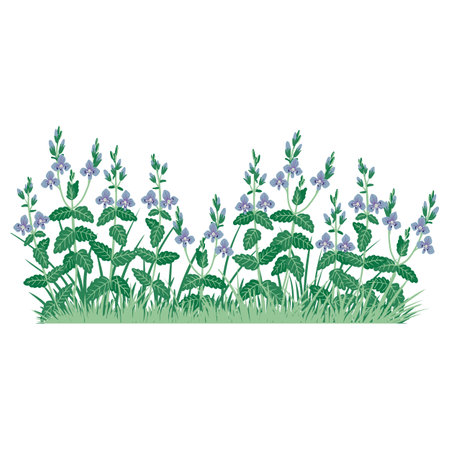
3. Annuals: The Seasonal Spark
If perennials are the sturdy, reassuring elders of the British cottage garden, then annuals are most certainly the playful children—full of life, imagination, and ever-changing delight. Every year, annuals burst forth from seed with a joyful sense of urgency, eager to show off their brightest colours and most whimsical forms. This seasonal spark is what gives the cottage garden its unpredictability and sense of wonder, much like a child’s laughter echoing through the greenery.
Take poppies, for instance—their tissue-paper petals fluttering in the summer breeze bring an unexpected dash of scarlet or blush pink among softer perennial hues. Then there are cosmos, with their feathery foliage and star-like blooms that sway and dance above border edges, inviting butterflies and curious young hands alike. And let’s not forget sweet peas: their trailing vines clamber up bamboo wigwams or rustic trellises, offering a heady scent and a rainbow of pastel blossoms all season long. Each of these annual treasures brings new surprises every year, never quite the same as before.
In true British fashion, growing annuals is also a lesson in embracing change and living in the moment. The fleeting nature of their beauty reminds us—and our little gardeners—to relish each season’s offerings without clinging too tightly. Sowing seeds together becomes a cherished springtime ritual, filled with hope for what will emerge. As the months unfold, those first tentative shoots grow into bold statements of colour and joy, weaving themselves into the tapestry of more established perennials. Thus, annuals keep the cottage garden forever youthful, ensuring that every summer brings fresh enchantment and a sense of playful discovery for families to share.
4. Crafting Harmony: Mixing Perennials and Annuals
If you’ve ever wandered through a British cottage garden, you’ll know that its secret lies in the enchanting blend of perennials and annuals, creating a living patchwork quilt that changes with the seasons yet never loses its charm. Emulating this timeless style is a joyful process—one rooted in both tradition and experimentation. Here’s how you can weave these two plant types together for an ever-changing, harmonious display, inspired by classic British planting schemes.
Layering for Lasting Impact
Begin by thinking in layers. Perennials provide the backbone of your borders: think billowing clumps of lady’s mantle, upright spikes of delphiniums, and soft mounds of geraniums. These reliable friends return each year, forming a comforting continuity. Annuals are like the playful children who dash in and out—cosmos, nigella, or cornflowers add seasonal pops of colour just where you need them most.
Classic Cottage Garden Planting Scheme Table
| Plant Type | Role in the Border | Classic Examples | Seasonal Interest |
|---|---|---|---|
| Perennials | Structure & Continuity | Lupins, Foxgloves, Peonies | Spring to Late Summer |
| Annuals | Colour Infusion & Flexibility | Poppies, Sweet Peas, Marigolds | Early Summer to Autumn |
Tried-and-True Tips from British Borders
- Sow annuals amongst perennials: Fill gaps left by fading perennials with quick-growing annuals for continuous interest.
- Choose a harmonious palette: Pick annuals that echo or contrast perennial colours—think soft blues with pinks or vibrant yellows among purples.
- Embrace self-seeders: Allow certain annuals (like love-in-a-mist) to scatter themselves; they’ll surprise you in delightful ways next season.
- Edit gently: After spring bulbs fade, slot in cheerful annuals to keep the momentum going without disturbing perennial roots.
- Create focal points: Use tall annuals as accents amidst lower perennial mounds for dynamic height shifts.
The Parent-Child Analogy: Nurture and Playfulness Combined
Imagine your perennials as the steady parents of the garden—offering shelter and reliability—while annuals are the spirited children who bring laughter and new stories every year. By mixing both with care and creativity, your British cottage garden will become a space that grows alongside your family, offering fresh delights season after season while staying true to its classic roots.
5. Cultivating Your Own ‘Forever’ Garden
There’s something truly magical about stepping into a British cottage garden where perennial blooms return year after year, mingling with the cheerful faces of annuals. Nurturing this enduring charm doesn’t just rest in the hands of one generation—it’s an experience to be shared by the whole family, from grandparents passing on their favourite heirloom plants to little ones sowing their first sunflower seeds.
Getting Hands-On Together
Start by giving each family member a patch of earth to tend, however small. Let children choose a mix of robust perennials—like foxgloves, lavender or delphiniums—and quick-growing annuals such as cosmos or sweet peas. Involve everyone in planting, watering, and watching for the first signs of life. These daily rituals not only nurture plants but also cultivate patience and curiosity in young gardeners.
Passing Down Traditions
Encourage stories as you garden together: perhaps share how granny grew her lupins from seed saved decades ago, or how dad recalls picking armfuls of cornflowers for village fêtes. This oral tradition is as vital as the practical skills themselves, rooting children in a sense of place and heritage unique to the British countryside.
Nurturing for the Next Season—and Generation
Show your children how to collect seeds from annuals at summer’s end, and how to gently divide perennials come autumn. These small acts ensure your cottage garden’s beauty endures through the years, embodying the quintessentially British spirit of quiet perseverance and hope for tomorrow. By gardening side-by-side, families forge memories as lasting as the perennials they plant—tending not just flowers, but traditions that will bloom anew each season.
6. Conclusion: Embracing Timeless Style in Your Green Patch
Reflecting on the harmonious blend of perennials and annuals in a British cottage garden, it becomes clear that this interplay is more than just a matter of horticultural tradition—its a living legacy. The perennial’s steadfast presence mirrors the enduring values at the heart of British family life, while the annual’s vibrant flourish brings a sense of playful renewal each season. Together, they echo the historic style beloved in English villages, with borders bursting into colour and texture throughout the year.
But beyond aesthetics, this mingling of plant types sows seeds for ongoing family connection and shared joy. As you potter together, choosing which cheerful cosmos or classic delphinium to tuck into your patch, you’re not only shaping your garden—you’re tending to bonds between generations. Children learn patience as they watch perennials mature, and delight in the instant gratification annuals bring. Each planting becomes a story passed down, every bloom a memory growing alongside you.
So as you cultivate your own green corner, embrace this timeless style with open arms and muddy hands. Let your cottage garden be a tapestry woven from both heritage and hope, tradition and playfulness—a place where nature’s cycles inspire togetherness and wonder all year round.