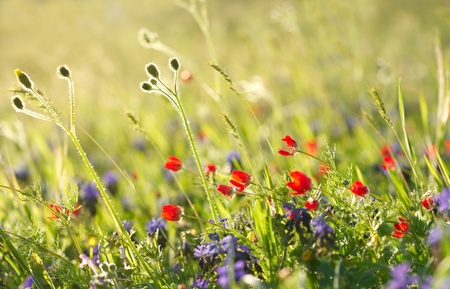
Introduction to Wildflower Meadows in the UK
If you’ve ever taken a stroll through the British countryside on a warm summer’s day, you’ll know there’s something magical about the sight of a wildflower meadow in full bloom. These colourful and vibrant patches of land are more than just beautiful backdrops for a picnic or a photograph—they’re deeply woven into the fabric of our rural culture and history. Traditionally, wildflower meadows were an essential part of the agricultural landscape, providing hay for livestock as well as vital habitats for native wildlife. Today, with much of our countryside given over to intensive farming or development, these meadows have become rare gems that offer sanctuary to bees, butterflies, birds, and countless other creatures. They hold a special place in our hearts and local communities, not just for their beauty but for the vital role they play in supporting biodiversity and maintaining natural balance. Whether found on village greens, school grounds, or private gardens, wildflower meadows serve as living reminders of our connection to the land and our responsibility to care for it.
2. Seasonal Mowing: Timing and Techniques
When it comes to maintaining a thriving wildflower meadow in the UK, understanding the traditional mowing calendar and employing the right techniques is essential. Our British climate, with its distinct seasonal shifts, demands a sensitive approach that supports both biodiversity and aesthetic appeal.
Timing Is Everything
The best time for mowing largely depends on your meadow’s purpose and local wildlife. Traditionally, most wildflower meadows are cut once a year, after flowering plants have set seed—typically between late July and early September. This not only allows wildflowers to self-seed but also prevents more aggressive grasses from dominating.
| Season | Mowing Action | Purpose |
|---|---|---|
| Spring (March-May) | Minimal or no mowing | Allow growth and flowering, protect nesting wildlife |
| Summer (Late July-September) | Main annual cut | Encourage reseeding, reduce grass competition |
| Autumn (October-November) | Optional tidy-up cut | Remove late growth, maintain neatness |
| Winter (December-February) | No mowing | Avoid disturbing overwintering insects and seeds |
The Traditional Scythe vs Modern Tools
Many seasoned gardeners swear by the old-fashioned scythe—a tool that not only gives you a sense of connection to generations past but is surprisingly effective for small to medium meadows. Its gentle action minimises harm to insects and amphibians hiding among the grass. For larger areas, however, a brushcutter or strimmer fitted with a hay-cutting blade is practical, but always check for wildlife before starting up any machinery.
Recommended Mowing Tools for British Meadows
- Scythe: Ideal for traditionalists and small plots; low impact on habitat.
- Sickle: Useful for precision work around delicate patches.
- Brushcutter/Strimmer: Efficient for larger spaces; choose models with adjustable height settings.
- Rake: Essential for removing cuttings to prevent nutrient build-up.
Tried-and-True Advice from Experience
If you’re new to meadow care, remember: never mow all at once. Leaving some sections uncut each year provides vital refuge for pollinators and ground-nesting creatures. Above all, patience is key—over time, your thoughtful mowing regime will encourage a rich tapestry of native blooms across the seasons.

3. Managing Weeds: Friend or Foe?
Weeds, in the context of a wildflower meadow, are a bit like the neighbours you never quite know what to make of—some are a delight, others less so. It’s important to distinguish between native species that belong and those invasive sorts that muscle in uninvited. In the British countryside, familiar faces such as nettles or dandelions often get a bad rap but can actually provide valuable food for insects and birds. However, more aggressive invaders like Himalayan balsam or Japanese knotweed demand a firmer hand, as they threaten to overwhelm the delicate balance of your meadow.
When it comes to managing weeds, timing and identification are everything. Before wading in with hoe or hand fork, take time to observe what’s growing. Many so-called weeds are part of our native heritage and may have a role to play; for instance, clover fixes nitrogen in the soil and supports bumblebees. Hasty intervention can sometimes do more harm than good, especially if you inadvertently remove beneficial plants or disturb nesting wildlife.
So when should you act? If an invasive species is spreading rapidly or crowding out your chosen wildflowers, it’s time to roll up your sleeves. Uproot these intruders early before they set seed—remember, persistence pays off and gentle regular attention wins over brute force. On the other hand, if the “weed” in question is a local wildflower or grass that adds diversity without dominating, consider letting it be. Sometimes the meadow knows best, and your job is simply to give nature a nudge rather than a shove.
4. Encouraging Natural Balance
Maintaining a wildflower meadow in the UK is as much about letting nature take its course as it is about careful stewardship. Achieving true ecological harmony means supporting pollinators, preserving native species, and gently guiding the balance between vigorous and delicate plants. Here are some tried-and-true ways to foster this natural equilibrium:
Welcoming Pollinators
The British countryside thrives on the activity of bees, butterflies, hoverflies, and even beetles. Encourage these vital visitors by ensuring your meadow contains a good mix of nectar-rich native flowers such as Red Clover, Oxeye Daisy, Knapweed, and Bird’s-foot Trefoil. Avoid the temptation to use pesticides—these can disrupt the delicate web of life that sustains a healthy meadow.
Balancing Plant Biodiversity
A well-balanced meadow isn’t just a riot of colour; it’s a subtle blend of grasses and wildflowers unique to our British landscape. Regularly assess your meadow’s composition and take gentle action if any one species starts to dominate. For example, Yellow Rattle is often sown to check the vigour of grasses, giving wildflowers more room to flourish.
Biodiversity Boosters: Native Plants for UK Meadows
| Plant Species | Main Benefit |
|---|---|
| Knapweed (Centaurea nigra) | Supports bees and butterflies late into summer |
| Yellow Rattle (Rhinanthus minor) | Controls aggressive grasses, improves flower diversity |
| Meadow Buttercup (Ranunculus acris) | Attracts pollinators, provides early season colour |
| Ladys Bedstraw (Galium verum) | Scented flowers, attracts moths and beetles |
Tips from Experience
If you notice areas where certain plants are thinning out, consider hand-sowing small patches with locally sourced seed mixes in autumn or spring. And remember—a bit of untidiness is not only acceptable but beneficial: leave some dead stems standing over winter for insects to shelter in. By observing patiently and intervening lightly, you’ll see your meadow become a haven for wildlife while retaining that authentic British charm.
5. Hands-on Tips from Experience
There’s something to be said for learning the ropes from those who have spent decades tending wildflower meadows across the British countryside. The wisdom of seasoned gardeners is often passed down over a cup of tea, or while leaning on a well-worn spade at the end of a day’s work. Here, we share some time-honoured methods and practical insights that have stood the test of time.
Respecting Local Rhythms
British wildflower meadows thrive when you work with nature, not against it. Many experienced gardeners stress the importance of observing your meadow through the seasons. For instance, mowing too early can disrupt nesting wildlife and prevent many flowers from setting seed. The old rule of thumb is to wait until late July or August for your main cut, once most wildflowers have finished blooming and dropped their seeds—a tip passed down in rural communities for generations.
Weeding with Care
Weeding is an inevitable part of maintenance, but wise hands know not all ‘weeds’ are unwelcome. Some native species that might seem out of place can actually support local pollinators or improve soil health. The trick is recognising invasive species like docks or nettles before they take over, pulling them by hand rather than reaching straight for chemicals. One retired gardener from Kent swears by using a long-handled daisy grubber after a summer rain, making the job easier on both your back and the soil.
Mowing Methods Passed Down
The scythe is making a comeback among those who appreciate its quiet efficiency and minimal disruption to wildlife—a nod to how our grandparents managed hay meadows. If you’re using machinery, always check for hidden creatures before starting. Leave small uncut patches here and there as ‘refuges’ for insects and small mammals; this mosaic approach mimics natural landscapes and keeps the ecosystem ticking along nicely.
Responding to British Weather
The UK’s famously changeable weather means flexibility is key. One year might bring drought, another relentless rain. Experienced hands advise keeping paths mown more regularly so you can access all areas whatever the weather brings, and being prepared to adjust timings if conditions aren’t right—nature rarely sticks to our calendars.
Patience Above All
Perhaps the greatest lesson from those who’ve tended meadows all their lives: patience. Wildflower meadows develop character over years, not weeks. Resist the urge to intervene too often; sometimes standing back is just as important as taking action. Trust that with careful mowing, gentle weeding, and respect for natural balance, your meadow will reward you in its own good time—just as it has done for generations across Britain.
6. A Year in the Life of a Meadow
Managing a wildflower meadow in Britain is a rewarding, year-round commitment that follows the ebb and flow of our distinctive seasons. Each stage of the annual cycle brings its own set of tasks and opportunities, guided by nature’s cues and the habits of local wildlife. Understanding this rhythm helps ensure your meadow remains healthy, vibrant, and teeming with life.
Winter: Rest and Reflection
In the quiet months of winter, the meadow lies dormant. Frost coats last season’s stems, providing shelter for insects and seeds for birds like goldfinches and sparrows. This is not a time for major intervention; instead, let nature do its work. Take stock of your meadow’s health and plan for any adjustments or repairs needed come spring.
Spring: Awakening and Early Management
As temperatures rise and daylight lengthens, new growth emerges with gusto. Native wildflowers begin to sprout alongside early weeds. This is a crucial time for gentle weeding—removing invasive species before they take hold—while being careful not to disturb emerging seedlings. Light mowing around the edges can help define paths and prevent grass encroachment.
Summer: Blooming Glory and Careful Cutting
The height of summer sees your meadow at its most colourful, buzzing with bees, butterflies, and other pollinators. Mowing is best avoided now except on paths or margins; instead, allow wildflowers to set seed. If you must cut areas for access or safety, keep blades high to avoid harming ground-nesting wildlife. Regularly monitor for pernicious weeds like dock or thistle, removing them by hand if necessary.
Autumn: Seed Setting and Main Cut
Come late August or early September—timed to allow most flowers to finish seeding—it’s time for the annual hay cut. This traditional practice mimics ancient grazing patterns and keeps grasses in check. Cut with a scythe or mower on a dry day, leaving clippings in situ for a week so seeds can drop before clearing away the bulk to reduce soil fertility. Autumn is also an excellent moment to sow fresh seed into bare patches if needed.
Living with Local Wildlife
Throughout the year, pay close attention to the needs of resident creatures—hedgehogs nestle under long grass in winter; fledgling birds may hide among tufts in summer. Delaying cuts on some sections creates habitat diversity, benefiting everything from moths to voles.
A Last Word from Experience
Caring for a British wildflower meadow is as much about patience as it is about action. Let nature lead where possible, intervening only when necessary to maintain balance. Over time, you’ll find your patch becomes richer not just in blooms but in stories—of seasons passing, wildlife thriving, and memories made outdoors.