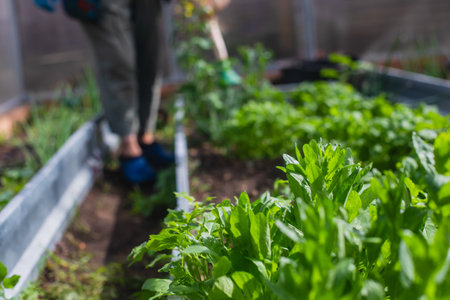
Introduction to Soil Preparation and Composting
For those of us who’ve spent a fair bit of our lives tending British allotments, there’s an old saying that rings true every year: “Look after your soil, and your soil will look after you.” In the UK, where the seasons shift gently but surely, soil preparation and composting aren’t just jobs for a weekend—they’re ongoing traditions rooted in community wisdom. Allotmenteers across the country know that nurturing healthy earth is the backbone of productive plots, whether you’re growing runner beans in Yorkshire or spuds down in Devon. This introduction aims to highlight why year-round care matters so much on British allotments, weaving together time-honoured methods with modern tweaks. From turning the compost heap with a neighbour’s borrowed fork, to spreading leaf mould in autumn as our parents did before us, we’ll explore how these local practices form the foundation for thriving gardens through every season.
Spring: Preparing for New Growth
As the days start to lengthen and the chill of winter begins to fade, it’s time to wake up your allotment soil and prepare for the season ahead. Spring is a crucial period for setting the foundation of healthy crops, and a bit of traditional British know-how goes a long way in ensuring success. After months of rest, the soil on your plot needs attention to bring it back to life. Here are some tips and methods trusted by generations of allotmenteers.
Waking Up the Soil
First things first, remove any remaining debris from last season—old stems, dead leaves, and weeds that may have crept in over winter. Use a garden fork rather than a spade; this helps aerate without compacting the earth, which is especially important if you’re working with heavier British clay soils. Gently turn the top layer (about 15–20 cm) to break up clods and allow air, water, and warmth to penetrate.
Incorporating Well-Rotted Compost
The next step is to enrich your soil with well-rotted compost. This classic approach not only feeds your plants but also improves soil structure and moisture retention—vital for those unpredictable spring showers. Spread a generous layer (about 5 cm thick) of mature compost across your beds. Work it in lightly with your fork, being careful not to disturb worms and other helpful critters too much.
| Task | Traditional Tip | Modern Advice |
|---|---|---|
| Turning Soil | Use a fork on damp but not soggy ground | Avoid working frozen or waterlogged soil |
| Compost Application | Apply in late March or early April | Let the weather warm slightly before adding compost |
| Sowing Early Seeds | Warm beds with cloches or fleece covers beforehand | Test soil temperature for best germination results (ideally above 7°C) |
Traditional British Methods for Early Planting
British gardeners have long used simple techniques to get ahead in spring. Warming the soil is an old favourite: lay clear polythene, cloches, or even recycled glass windows over seedbeds a couple of weeks before sowing. This traps heat and gives seeds a flying start once planted. Another method is ‘chitting’ potatoes—set seed potatoes in egg boxes on a sunny windowsill indoors until they sprout sturdy shoots before planting out after risk of frost has passed.
Crops Ideal for Early Sowing
- Broad beans – robust enough for cool soils.
- Purple-sprouting broccoli – sown early, harvested next winter.
- Lettuce & salad leaves – quick-growing under cloches.
- Onions & shallots – from sets or seeds planted as soon as ground can be worked.
A Final Word from Experience
If there’s one thing years on the allotment have taught me, it’s that patience pays dividends in spring. Don’t rush onto wet soil; let nature guide your hand. And remember—the best compost is homemade, turned regularly through winter so it’s perfect come springtime. With these simple steps and a little British grit, you’ll be off to a grand start this growing season.

3. Summer: Maintaining Soil Health
As summer arrives on the allotment, the sun is generous but can be quite unforgiving if we’re not prepared. Keeping your soil in top condition during these warmer months is as much about preserving what you have as it is about adding to it. One of my old tricks, handed down from fellow plot holders over the years, is mulching – an essential practice for retaining moisture and keeping those pesky weeds at bay. Spread a thick layer of well-rotted compost or leaf mould around your plants; this not only feeds the soil but also helps lock in precious water when rain is scarce. Don’t be shy about asking neighbours for their favourite mulch recipes – everyone has their own little twist, whether it’s using grass clippings or shredded newspaper.
Mulching: Your Summer Ally
During those long, dry spells, a good mulch acts as a protective blanket. I always say, better to mulch early than wait for cracks to appear in the soil. For heavy feeders like courgettes and tomatoes, make sure you use richer compost, while lighter feeders will do just fine with straw or bark chippings. Remember to leave a small gap around the stems to prevent rot – another nugget of wisdom often shared over a cuppa in the communal hut.
Moisture Conservation Tips
Watering deeply and less frequently encourages roots to grow deeper, making plants more resilient against drought. Early mornings or late evenings are the best times to water, reducing evaporation loss. Some folks even swear by burying upturned bottles with holes at plant bases to direct water right where it’s needed most. It’s an old-school trick that really works wonders!
Composting Through the Heat
The compost heap becomes very active in summer, breaking down kitchen scraps and green waste rapidly. Turn your heap regularly to keep air flowing and avoid unpleasant smells – a well-aerated pile is a happy pile. If you have surplus grass clippings or prunings, don’t hesitate to offer them to neighbouring plots; many hands make light work, and sharing compost materials (and wisdom) builds that classic allotment camaraderie that newcomers soon come to cherish. As one of our seasoned veterans once said: “Good compost is the heart of every healthy allotment.”
4. Autumn: Replenishing and Restoring
As the nights draw in and the last of the summer crops are lifted, autumn on the allotment is a time for both reflection and preparation. Seasoned plot holders know that what you do now sets the stage for next year’s success. The soil, having given its all throughout the growing months, deserves to be replenished and restored. This is where digging in organic matter becomes an essential ritual—a tradition as British as a hot cuppa after a brisk morning’s work.
Digging In Organic Matter
After clearing spent plants, it’s best to incorporate well-rotted manure or homemade compost into your beds. This not only returns vital nutrients to the earth but also improves structure and drainage—key for our often unpredictable British weather. Use a fork rather than a spade if your soil is heavy clay; this helps avoid compaction while aerating at the same time.
| Type of Organic Matter | Benefits | Best For |
|---|---|---|
| Well-rotted Manure | Rich in nutrients, improves structure | Vegetable beds, fruit bushes |
| Homemade Compost | Adds humus, encourages soil life | Flower borders, general use |
| Leaf Mould | Excellent conditioner, lightens heavy soils | Pots, seedbeds, mulching perennials |
Starting New Compost Heaps with Seasonal Waste
The season’s clear-up produces a bounty of material perfect for composting: faded bean stems, courgette leaves, and soft prunings from fruit canes. Layer these with autumn leaves—collected from paths or neighbouring trees—and mix in grass clippings for balance. If you’re starting a new heap, position it where it won’t be waterlogged in winter and keep it covered to retain warmth. Remember the old allotment adage: “If it once lived, it’ll rot.” Just avoid cooked food and diseased plants.
Respecting Autumn Allotment Rituals
There’s more to this season than just physical toil. Autumn is when plot neighbours share surplus pumpkins over the fence and swap stories about gluts and failures alike. Many allotmenteers mark this period with communal bonfires (where permitted), burning woody waste and gathering round with mugs of tea or even a tot of something stronger against the chill. It’s a time to tidy up—but also to pause, breathe in the earthy scent of turned soil, and acknowledge another year well-spent.
5. Winter: Rest and Planning
As winter settles over British allotments, the landscape transforms into a quiet, reflective scene. The soil, having given so much through spring, summer, and autumn, now deserves a period of rest. But make no mistake—while growth slows, this season is vital for thoughtful planning and gentle stewardship that will pay dividends come springtime.
Protecting the Soil During Dormancy
One of the wisest moves during winter is to shield your precious soil from harsh weather. Heavy rain, frost, and strong winds can deplete nutrients and disrupt structure. Seasoned allotmenteers often spread a thick layer of well-rotted manure or homemade compost across their beds in late autumn or early winter. This mulch acts as a natural blanket, protecting soil from erosion and leaching while quietly feeding it with nutrients over the cold months—a proper British tradition if ever there was one.
Cover Crops and Mulching
If you’ve got green manure seeds such as field beans or winter tares to hand, sowing them before winter arrives is another clever tactic. These cover crops help bind the soil together and add organic matter when dug in before spring planting. Alternatively, covering bare ground with cardboard or horticultural fleece is a tried-and-tested method for keeping weeds at bay and retaining structure, especially on exposed plots where wind can whip away precious topsoil.
Compost Preparation for Spring
With less planting and harvesting to do, winter is an ideal time to focus on your compost heap. Continue adding kitchen scraps—think peelings from hearty root veg stews or spent tea bags from those warming mugs of builders’ brew. Balance these greens with browns like shredded newspaper or dried leaves gathered during autumn’s clear-up. Turn your heap occasionally to keep it aerated; the milder spells in British winters can encourage slow but steady decomposition. By the time daffodils are peeking through in spring, you’ll have lovely rich compost ready to nourish new crops.
Planning Ahead With Purpose
Winter also offers the perfect pause to reflect on successes and lessons learned over the past year—what worked well, what could be improved? Leaf through seed catalogues by the fire or sketch out next year’s crop rotations at your kitchen table with a cuppa in hand. Good planning now ensures your plot is primed for action when longer days return.
While winter may seem quiet on British allotments, there’s plenty happening beneath the surface—and plenty you can do to give your soil a head start for next season’s bounty.
6. Common British Composting Conundrums
Every seasoned allotmenteer knows that composting is both an art and a science, and here in the UK, we face our fair share of unique challenges thanks to our unpredictable weather and diverse soils. Over the years, certain conundrums crop up time and again—yet thankfully, generations of growers have passed down a wealth of wisdom to help us keep our compost heaps healthy and our soil thriving.
The Wet Weather Woes
One of the most common problems is excess moisture, especially during our famously drizzly springs and autumns. Too much rain can leave your compost heap soggy and airless, leading to unpleasant smells and slow decomposition. The old-timers’ solution? Always cover your heap with a tarp or old bit of carpet during persistent wet spells, and layer in plenty of dry material such as shredded newspaper or straw to balance things out.
Compost Not Heating Up
A proper “hot heap” is the holy grail for many allotment holders, but cold British nights can make this tricky outside of high summer. If your heap seems sluggish, try turning it more often to aerate, add extra green materials like grass clippings, and insulate the pile with cardboard or even bubble wrap—just as you might tuck up delicate plants against frost.
Uninvited Guests: Rats and Foxes
Another perennial issue is unwanted visitors sniffing around the compost bin. It’s good practice—passed down from allotment veterans—to avoid adding cooked food, meat, or dairy to your pile. Stick to vegetable scraps, eggshells, and garden waste. If you’re still having trouble, invest in a sturdy lidded bin or line the bottom with chicken wire.
The Battle with Weeds
Nothing tests patience like discovering weed seeds sprouting from your carefully spread compost. To avoid this nuisance, make sure your heap gets hot enough to kill off seeds (about 60°C). Some gardeners swear by the “black bag method”—sealing troublesome weeds in a black bin bag and leaving them to rot down separately before adding them to the main heap.
Generational Wisdom for Year-Round Success
Above all else, successful composting on British allotments comes down to observation and a willingness to experiment—plus taking heed of the advice shared over fences and cups of tea. Whether it’s adjusting your mix through the seasons or finding new ways to keep rodents at bay, each challenge brings its own lesson. As any old hand will tell you: “There’s no such thing as perfect compost—just better compost than last year.” Keep calm, carry on turning that heap, and trust that with time (and a bit of British grit), your soil will thank you for it.
7. Conclusion: Year-Round Allotment Wisdom
Caring for your allotment soil is a journey that never truly ends; its a rhythm tied to the turning of British seasons, echoing both the wisdom passed down through generations and the practical lessons learned with muddy hands. Throughout the year, each season calls for its own approach—whether it’s digging in well-rotted compost during autumn, letting frosts break up heavy clods in winter, or top-dressing with homemade compost as spring returns life to our plots. This cyclical nature of soil care isn’t just about growing better veg—it’s about respecting the land, nurturing it patiently, and understanding that good results come from steady, thoughtful effort. Our forebears knew the value of letting land rest, rotating crops, and returning organic matter to the earth; modern compost bins and green manures are just new takes on age-old ideas. In my own experience, there’s no shortcut to building rich, crumbly soil—just careful planning, regular feeding, and a watchful eye for what your patch needs at any given moment. With each passing year on the allotment, I find more joy in these seasonal routines and take pride in seeing how small improvements add up. So whether you’re turning over your first spadeful or tending an established plot, remember that soil care is a partnership with nature—a tradition rooted in British heritage, enriched by personal touch, and sustained by patience across every season.