Introduction to Spring Bulbs in British Green Spaces
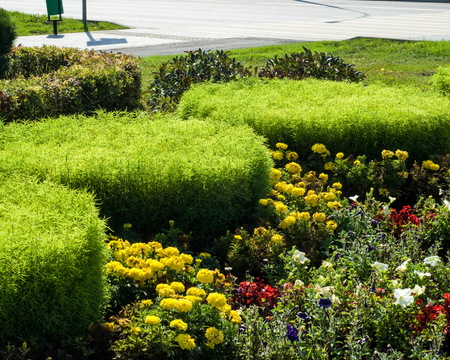
The vibrant emergence of spring bulbs is a defining feature of British parks and urban landscapes, heralding the end of winter and the arrival of warmer days. Across the UK, iconic displays of daffodils, tulips, crocuses, and bluebells have become deeply embedded in the public imagination, serving as both a visual celebration and a cultural marker. The tradition of integrating spring bulbs into green spaces can be traced back centuries, notably gaining prominence during the Victorian era when public parks were established as places for health, recreation, and civic pride. These early plantings were not only admired for their ornamental value but also symbolised renewal, hope, and community spirit—qualities that continue to resonate with modern park users. Today, the annual spectacle of spring blooms remains one of the most anticipated events in Britain’s horticultural calendar, reflecting an enduring appreciation for natural beauty and thoughtful landscape design within urban environments. This historical legacy underpins contemporary approaches to designing public green spaces, where spring bulbs play a vital role in connecting communities with nature and fostering a sense of place unique to the British experience.
2. Selection of Suitable Bulbs for British Parks
Choosing the right spring bulbs is fundamental to creating vibrant, resilient public green spaces across the UK. The British climate, characterised by mild winters, unpredictable rainfall, and varying urban microclimates, demands a careful selection of species that not only thrive but also naturalise over time. Below are guidelines and a comparison table to assist landscape architects, local authorities, and community groups in selecting bulbs best suited for diverse British settings.
Guidelines for Selecting Resilient Spring Bulbs
- Climate Adaptability: Opt for bulbs known to withstand fluctuating temperatures and variable moisture levels typical of the UK’s maritime climate.
- Soil Tolerance: Assess site soil conditions—such as clay, loam, or sandy soils—and match bulb species accordingly for optimal performance.
- Naturalising Potential: Select bulbs capable of perennialising and spreading naturally, reducing maintenance and ensuring sustainable displays year after year.
- Pest and Disease Resistance: Favour varieties less susceptible to common urban pests (like squirrels) and diseases prevalent in public parks.
- Aesthetic Integration: Consider bloom time, colour palette, and height to ensure sequential flowering and harmonious integration with existing park flora.
Comparison Table: Recommended Bulbs for Urban British Parks
| Bulb Species | Climate Resilience | Soil Preference | Pest/Disease Resistance | Naturalising Ability | Bloom Period |
|---|---|---|---|---|---|
| Daffodil (Narcissus) | High (tolerates cold/wet) | Most types; prefers well-drained | Excellent | Strong | March–April |
| Crocus (Crocus vernus) | Good (early blooms in cool) | Sandy/loamy; good drainage needed | Good | Moderate–Strong | February–March |
| Siberian Squill (Scilla siberica) | Very High (cold hardy) | Tolerates most soils; prefers moist humus-rich | Excellent | Strong | March–April |
| Bluebell (Hyacinthoides non-scripta) | High (thrives in shade/cool) | Damp woodlands & lawns; loamy preferred | Excellent (native species) | Exceptional (naturalises easily) | April–May |
| Tulip (Tulipa spp.) | Moderate (needs sheltered sites) | Sandy/loamy; well-drained essential | Varies by variety (some susceptible) | Poor–Moderate (often treated as annual) | April–May |
Pitfalls to Avoid When Choosing Bulbs for Public Spaces
- Avoid Overly Exotic Species: Non-native bulbs may struggle with UK weather patterns or become invasive.
- Lack of Diversity: Relying on a single species can result in patchy displays if faced with disease or pest outbreaks.
- Poor Drainage Choices: Many bulbs rot in waterlogged soils—ensure appropriate drainage measures are planned where necessary.
Towards Sustainable Urban Blooms in Britain’s Parks
The thoughtful selection of spring bulbs tailored to British climates and urban park conditions underpins both the ecological resilience and visual success of public green spaces. By using a structured approach based on local conditions and future-proofing against pests and diseases, designers can deliver spectacular seasonal interest while supporting biodiversity throughout the urban landscape.
3. Design Principles for Planting Spring Bulbs
Key Considerations for Integration
When incorporating spring bulbs into public green spaces across the UK, thoughtful design is essential to maximise both visual appeal and community benefit. British parks have a longstanding tradition of using bulbs such as daffodils, tulips, and crocuses to herald the arrival of spring. However, successful integration goes beyond mere planting; it demands strategic planning around visibility, inclusivity, and seasonal rhythm.
Visual Impact
The visual impact of spring bulbs is a cornerstone of their use in urban landscapes. Designers should consider mass planting schemes, where drifts or ribbons of colour create striking vistas that can be appreciated from multiple viewpoints. Layering different bulb varieties by height, bloom time, and colour ensures prolonged interest and dynamic displays throughout the season. In the UK context, naturalistic planting styles inspired by meadows are increasingly favoured, echoing local ecological patterns while providing bursts of colour that enliven even the most urban environments.
Accessibility and Inclusivity
Ensuring that everyone can enjoy spring bulb displays is paramount. Pathways lined with bulbs should be designed with accessibility in mind, allowing wheelchair users and families with prams to experience the seasonal spectacle up close. Consideration should also be given to sensory planting—incorporating fragrant or tactile species near seating areas—to make green spaces more engaging for visitors with diverse needs. Thoughtful signage can enhance educational value, sharing information about native species and environmental benefits in plain English.
Seasonal Succession
To maintain year-round interest and ecological health, bulb plantings should be integrated into broader seasonal succession plans. Early-flowering bulbs like snowdrops and crocuses can give way to mid- and late-season species such as bluebells and alliums. Pairing bulbs with perennials and ornamental grasses ensures that once blooms fade, foliage continues to provide texture and structure. This approach supports biodiversity and reduces maintenance requirements—a key consideration for British councils managing extensive parklands on tight budgets.
Summary
By prioritising visual cohesion, accessibility, and continuity through the seasons, landscape architects can ensure that British public green spaces not only delight residents each spring but also foster community connection and environmental stewardship year-round.
4. Practicalities of Planting and Maintenance
Establishing thriving spring bulb displays in British parks and urban communal gardens requires a methodical approach to both planting and ongoing care. Attention to seasonal timing, site selection, soil preparation, and maintenance ensures that bulbs deliver vibrant displays year after year, while also contributing to biodiversity and community enjoyment.
Best Practice Approaches for Planting Spring Bulbs
Effective bulb planting starts with selecting appropriate varieties suited to the UK’s climate and the specific microclimate of each green space. The table below summarises key considerations:
| Aspect | Best Practice | Notes |
|---|---|---|
| Timing | Autumn (September–November) | Ensures adequate rooting before winter |
| Depth & Spacing | 2-3x bulb height; 8-10cm apart | Avoids overcrowding and promotes healthy growth |
| Soil Preparation | Well-drained, enriched with organic matter | Reduces risk of rot; encourages robust blooms |
| Bulb Selection | Diverse mix: daffodils, crocuses, tulips, snowdrops | Extends flowering season and enhances visual appeal |
| Community Involvement | Organise volunteer planting days | Fosters stewardship and local pride |
Sustainable Care and Ongoing Maintenance Strategies
The longevity of spring bulb plantings depends on regular yet sensitive maintenance. Key strategies include:
Irrigation and Feeding
- Irrigation: Generally not required in the UK’s climate except during exceptionally dry spells post-planting.
- Feeding: Apply a balanced slow-release fertiliser immediately after flowering to support next year’s growth.
Pest and Disease Management
- Pests: Monitor for squirrels and rodents which may disturb bulbs—using mesh guards or natural deterrents can help.
- Disease: Remove any diseased foliage promptly to prevent spread; rotate planting sites every few years if possible.
Mowing Regimes for Communal Lawns and Meadows
Adopting appropriate mowing practices is essential for bulb health. Delay mowing until six weeks after flowering so leaves can die back naturally, allowing energy to return to the bulbs.
Mowing Schedule Example:
| Bouquet Type/Area | Mowing Start Date (Approx.) | Frequency Thereafter |
|---|---|---|
| Daffodil drifts in lawns | Late May–Early June | As per standard park schedule once foliage dies back |
| Crocus patches in meadows | Mid-May onwards | Bimonthly as needed for access/use areas |
| Tulip beds in formal borders | N/A – Hand tidy only post-blooming season | N/A – Maintain border definition regularly |
This structured approach ensures that British public spaces remain visually engaging while supporting ecological health and community engagement throughout the spring season and beyond.
5. Community Engagement and Educational Opportunities
Successful public green spaces in Britain are often characterised by strong community involvement, which not only fosters local pride but also ensures the sustainability of landscape initiatives such as spring bulb displays. Engaging residents, schools, and volunteers at every stage—from planning to planting and ongoing appreciation—can transform a simple horticultural project into a valued community asset.
Involving Local Communities in Design and Planning
Early consultation with neighbourhood groups, friends of parks organisations, and local councils is key to identifying suitable locations for bulb planting and selecting species that resonate with local identity or heritage. Public workshops and open days provide platforms for residents to contribute ideas, share cultural preferences, and learn about the ecological benefits of bulbs in urban environments.
Educational Partnerships with Schools
Collaborating with local schools offers significant educational opportunities. Curriculum-linked activities can be developed around the lifecycle of bulbs, pollinators, and the importance of biodiversity. Involving pupils in hands-on planting sessions encourages stewardship from a young age and fosters a connection to their local green spaces. Many British parks now host annual ‘bulb planting days’ specifically designed for school groups, blending environmental education with practical experience.
Volunteer Programmes and Community Events
Volunteers play a vital role in both the initial planting and long-term care of bulb displays. Community gardening sessions and seasonal maintenance days allow individuals to take ownership while building social connections. Annual events such as ‘Spring Bloom Walks’ or ‘Bulb Festivals’ invite the wider public to appreciate the floral displays, celebrate local achievements, and deepen their understanding of urban ecology.
Sustaining Engagement Throughout the Year
To maintain interest beyond the flowering season, park managers can organise talks, guided walks, and citizen science projects that monitor pollinators or track bloom times. Social media campaigns featuring photos of evolving displays further encourage ongoing community interaction and pride.
Conclusion: Fostering Collective Ownership
By embedding community engagement and educational opportunities into the design of spring bulb schemes, British parks can create resilient, cherished landscapes that reflect local character while promoting environmental stewardship. This collaborative approach ensures that public green spaces remain vibrant centres for learning, recreation, and civic participation throughout the year.
6. Case Studies: Successful Urban Bulb Displays in Britain
Showcasing Notable Examples Across the UK
The effective integration of spring bulbs into public green spaces has been demonstrated by a number of British cities and towns, serving as benchmarks for best practice. These case studies illustrate a range of design strategies that respond to local contexts while achieving both aesthetic and environmental objectives.
Regent’s Park, London
One of London’s most celebrated urban parks, Regent’s Park features extensive bulb plantings orchestrated to create seasonal highlights. The parks designers have layered early-flowering crocuses and daffodils beneath mature trees, ensuring a succession of blooms from February through April. This approach maximises visual impact while supporting pollinators emerging early in the year. Maintenance regimes focus on minimal intervention after blooming, allowing foliage to die back naturally and replenish bulbs for future displays.
The Meadows, Edinburgh
In Edinburgh, The Meadows exemplifies community-driven design with its large-scale narcissus planting initiative. Local residents collaborated with city horticulturists to select native and naturalised species that would thrive in Scottish conditions. The project not only enhanced the park’s visual appeal each spring but also fostered civic pride and increased park usage during bloom periods. Challenges included coordinating volunteer efforts and ensuring long-term maintenance, both addressed through ongoing partnerships between the council and community groups.
Heaton Park, Manchester
Heaton Park demonstrates an ecological approach to bulb planting by integrating bulbs into wildflower meadows rather than traditional bedding schemes. Species such as snowdrops and bluebells were chosen for their compatibility with local flora and fauna. This strategy promotes biodiversity and extends seasonal interest beyond the peak bulb flowering period. The initiative has contributed measurable increases in pollinator populations, highlighting the dual social and environmental benefits of thoughtful bulb integration.
Key Learnings from British Case Studies
Across these examples, several common themes emerge: careful species selection tailored to local soils and climate, community engagement in planning and maintenance, and a commitment to sustainable horticultural practices. While challenges such as ongoing funding and balancing competing uses for public spaces persist, these case studies demonstrate that well-designed bulb displays can enhance urban environments both visually and ecologically. Ultimately, they serve as inspiring models for cities aiming to brighten their landscapes each spring while delivering tangible benefits to residents and wildlife alike.