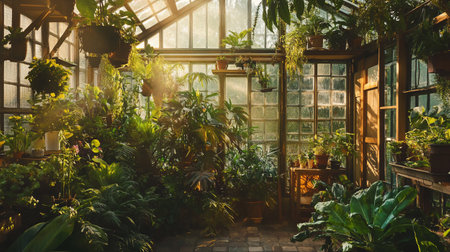
Introduction to Greenhouses in the UK
Greenhouses have become a staple feature in British gardens, cherished for their ability to extend the growing season and protect delicate plants from the UK’s famously unpredictable weather. The popularity of greenhouses across the country stems from both practical and cultural reasons—keen gardeners seek to cultivate everything from traditional tomatoes and cucumbers to exotic orchids and citrus, regardless of local climate limitations. The temperate maritime climate in the UK, marked by cool summers, mild winters, and frequent rainfall, often poses challenges for outdoor cultivation. Greenhouses offer a controlled environment where temperature, humidity, and ventilation can be managed, significantly improving plant health and yield. There is a broad spectrum of greenhouse types available to suit every space and budget, ranging from simple DIY polytunnels and classic Victorian-style structures to high-end bespoke installations. Whether you’re an allotment enthusiast looking for a modest growing space or a homeowner aiming for an architectural statement piece, understanding these options is essential when planning your first greenhouse investment.
2. Setting a Realistic Budget
Establishing a realistic budget is a crucial first step in planning for your initial greenhouse in the UK. Whether youre considering a DIY approach or opting for a bespoke installation, understanding the key budgeting principles, typical market costs, and common pitfalls can help ensure your project stays on track financially.
Key Budgeting Principles
- Define Your Purpose: Consider whether your greenhouse will be used for growing vegetables, housing exotic plants, or simply as a garden feature. The intended use will significantly impact required size, materials, and features.
- Prioritise Needs vs Wants: List essential elements (e.g., glazing type, ventilation) separately from desirable extras (e.g., automatic irrigation).
- Plan for Hidden Costs: Account for site preparation, base construction, delivery charges, and aftercare to avoid unexpected expenses later on.
- Allow for Contingency: Set aside an additional 10–15% of your total budget to cover unforeseen costs or upgrades during the build.
Typical Costs in the UK Market
| Greenhouse Type | Price Range (GBP) | Description |
|---|---|---|
| DIY Kit (Polycarbonate/Aluminium) | £300–£1,200 | Entry-level kits, often self-assembled. Suitable for basic gardening needs. |
| Mid-range (Glass/Aluminium) | £1,200–£3,000 | Larger structures with improved materials and some customisation options. |
| Bespoke Installation | £4,000+ | Custom-built greenhouses tailored to specific requirements and site conditions. |
| Additional Expenses* | £300–£2,000+ | Base preparation, heating systems, shelving, staging & accessories. |
*Note: Prices are indicative and may vary by region and supplier.
Common Mistakes to Avoid
- Underestimating Total Costs: Many first-time buyers overlook the price of groundwork, utilities, and long-term maintenance.
- Compromising on Quality: Opting for the cheapest option can lead to higher repair or replacement costs in the future.
- Poor Site Assessment: Failing to properly assess sunlight exposure and drainage can result in additional modifications post-installation.
- No Allowance for Expansion: Not budgeting for possible future upgrades or extensions may limit your greenhouse’s usability as your gardening ambitions grow.
A Structured Approach to Greenhouse Budgeting
Create a detailed breakdown of anticipated costs using a spreadsheet or budgeting app. Itemise each component and regularly review estimates as you receive quotes from suppliers or contractors. By adopting a methodical approach rooted in local market realities and tried-and-tested budgeting principles, you’ll be well positioned to enjoy a successful and cost-effective greenhouse project in the UK.

3. DIY Greenhouse Options
For many first-time greenhouse owners in the UK, exploring DIY options can be a highly cost-effective route, especially when working with a limited budget. The British market offers a wide range of affordable self-assembly kits that cater to various garden sizes and skill levels. These kits typically come with pre-cut materials, clear instructions, and all the necessary fixings, making them accessible even for those with modest DIY experience.
Assessment of Affordable Self-Assembly Kits
Self-assembly greenhouse kits available at most UK garden centres and online retailers vary greatly in price depending on size, frame material, and glazing type. Aluminium frames paired with polycarbonate panels are among the most budget-friendly choices, offering a balance between durability and cost. Timber-framed kits can provide a more traditional aesthetic but may require additional maintenance due to the damp British climate. When budgeting, consider not only the initial purchase price but also any extra costs for foundations or anchoring systems required by your chosen kit.
Materials: What to Expect
The most common materials for DIY greenhouses include aluminium, timber, PVC piping, and glazing options such as horticultural glass or polycarbonate sheeting. Each material has its pros and cons: aluminium is lightweight and rust-resistant; timber offers natural insulation but needs regular treatment; PVC is low-cost but less durable. Polycarbonate glazing is popular for its shatter-resistance and thermal efficiency—an important factor given the unpredictable British weather.
Hands-on Guidance for Cost-Effective Building
Undertaking a DIY greenhouse project requires careful planning. Start by assessing your available space and sunlight exposure—south-facing locations typically yield the best results in the UK’s northern latitude. Gather tools such as a spirit level, drill, spade, and screwdriver before you begin assembly. Many suppliers offer instructional videos or helplines for additional support. Remember to account for basic site preparation costs, such as levelling ground or installing simple paving slabs as a base. By investing time in thorough preparation and leveraging local gardening forums or community groups for advice, you can significantly reduce installation costs while gaining practical skills that will benefit your ongoing gardening journey.
4. Off-the-Shelf Greenhouse Solutions
For many first-time greenhouse owners in the UK, pre-fabricated or “off-the-shelf” greenhouses offer a convenient and cost-effective alternative to bespoke builds or DIY projects. These ready-made structures are widely available through high street garden centres, national chains like B&Q and Homebase, as well as specialist retailers such as Greenhouse People or Gabriel Ash. They cater to a range of budgets and garden sizes, making them an attractive option for novices and seasoned gardeners alike.
Main Features of Pre-Fabricated Greenhouses
Off-the-shelf greenhouses typically come in a variety of materials—aluminium frames being the most popular for their durability and low maintenance, while wooden frames appeal for their traditional aesthetic but require more upkeep. Glazing options usually include horticultural glass, toughened safety glass, or polycarbonate panels, each with different thermal properties and price points. Many models include integral base frames, sliding doors for space-saving entry, roof vents for improved ventilation, and guttering systems compatible with water butts—a practical feature in the UK’s climate.
Common Sizes & Price Points
| Size (ft) | Material | Glazing Type | Typical Price Range (£) |
|---|---|---|---|
| 6×4 | Aluminium | Horticultural Glass | £250–£450 |
| 8×6 | Aluminium/Wooden | Toughened Glass/Polycarbonate | £400–£950 |
| 10×8 | Aluminium/Wooden | Toughened Glass/Polycarbonate | £900–£2,000+ |
Value for Money Considerations
The primary advantage of these solutions is ease of installation—many retailers offer assembly services at an additional cost if you prefer not to tackle it yourself. Warranty periods can range from 5 to 15 years depending on the manufacturer and materials used. While aluminium models are generally more affordable and resistant to rot, timber options may provide better insulation but need regular treatment against weathering—a key point given the UK’s frequent rainfall.
When budgeting, also factor in extras such as staging (shelves), automatic vent openers, shading blinds, and base preparation. Off-the-shelf greenhouses represent a balanced investment: they’re less labour-intensive than DIY builds and significantly cheaper than fully bespoke installations while still offering robust protection for your plants year-round.
5. Bespoke Greenhouse Installations
Commissioning a bespoke greenhouse in the UK offers unparalleled flexibility and a truly personalised horticultural experience. Unlike off-the-shelf options, tailor-made greenhouses allow you to work closely with experienced British tradespeople who can turn your vision into reality, ensuring every detail aligns with your garden’s character and your growing ambitions.
Working with British Tradespeople
When embarking on a custom greenhouse project, it is essential to select reputable local craftsmen or specialist companies. Most established suppliers provide site visits, during which they assess your garden’s orientation, exposure to prevailing winds, and soil conditions. It is common practice in the UK to request detailed quotations and references before proceeding. Clear communication about timelines, budget constraints, and desired materials will help prevent misunderstandings later in the process.
Design Considerations Unique to the UK
The UK’s variable climate and planning regulations present unique design challenges. For example, insulation and ventilation must be carefully balanced to cope with both cold snaps and humid summers. Many bespoke greenhouses incorporate Victorian-inspired architecture, utilising locally sourced timber or powder-coated aluminium for longevity. You may also need to consider heritage restrictions if your property is listed or located within a conservation area—a factor best discussed early with your designer.
Cost Implications
While bespoke installations demand a higher upfront investment compared to DIY kits or modular options, they offer long-term value through durability, tailored features, and aesthetic harmony with your home and landscape. Typical costs can range from £7,000 to upwards of £30,000 depending on size, materials, and complexity. Don’t forget to budget for groundworks, specialist glazing (such as toughened safety glass), automated systems for heating or irrigation, and aftercare services.
Final Thoughts
A bespoke greenhouse represents more than just a growing space—it becomes a lasting feature of your British garden. By engaging skilled local tradespeople and accounting for regional regulations and weather patterns, you can ensure that your investment stands the test of time while perfectly complementing your gardening lifestyle.
6. Additional Costs and Ongoing Maintenance
When budgeting for your first greenhouse in the UK, it’s crucial to account for additional costs beyond the initial purchase or build. These expenses can significantly impact your annual outlay and long-term satisfaction with your investment. Below is a breakdown of key ongoing costs and essential maintenance considerations specific to the UK context.
Planning Permission
For most domestic greenhouses, planning permission is not typically required if certain size and location criteria are met. However, if you’re considering a bespoke or particularly large structure—especially one situated close to boundaries or listed buildings—it’s wise to check with your local council. Fees for planning applications vary by authority but generally range from £200-£500, plus the time involved in navigating regulations.
Heating
The unpredictable British climate means heating can become a significant running cost, especially during colder months. Options include electric heaters, gas systems, or renewable solutions like ground source heat pumps. Expect average annual heating costs for a modest greenhouse to range from £75-£300, depending on insulation quality and desired temperature control.
Ventilation
Proper ventilation is vital to prevent overheating and disease. Automated roof vents, louvres, and extractor fans are common upgrades. Installation costs might be included with some premium models, but retrofitting or upgrading may set you back £50-£300 per unit. Remember that maintaining good airflow also helps reduce future maintenance due to mould or pests.
Insurance
If you’ve invested in a high-value bespoke installation or store valuable plants and equipment inside, adding your greenhouse to your home insurance policy is advisable. Specialist garden structures insurance can cost an additional £30-£100 annually, depending on location and value insured. Always check policy small print to ensure storm, theft, and accidental damage cover applies.
Regular Upkeep
Routine maintenance is often underestimated in both time and money. Budget for cleaning glazing panels (at least twice yearly), checking seals, lubricating hinges, replacing broken panes, and pest/disease control measures. Annual upkeep costs can average £50-£150 for DIYers; professional servicing will increase this figure but provide peace of mind regarding structural integrity and efficiency.
7. Making the Right Financial Decision
When it comes to choosing and budgeting for your first greenhouse in the UK, aligning your financial plan with your gardening ambitions is crucial. Whether you’re considering a cost-effective DIY kit or investing in a bespoke installation, balancing quality, longevity, and upfront cost will help ensure long-term satisfaction. Begin by clearly defining your primary needs—are you looking to grow year-round vegetables, nurture exotic plants, or simply enjoy a new hobby? Once these goals are established, compare them against the typical price ranges explored earlier in this guide.
For those on a tighter budget, DIY options or modular kits from local garden centres such as B&Q or Wickes can be an excellent starting point. If you’re seeking something more robust or tailored, consider consulting with UK-based greenhouse specialists like Hartley Botanic or Gabriel Ash, who offer bespoke solutions and expert advice.
A Step-by-Step Approach
- Set a realistic budget: Factor in not just the purchase price but also site preparation, installation, and ongoing maintenance.
- Compare options: Visit local showrooms or garden shows to see examples in person.
- Seek recommendations: Engage with local allotment societies or online forums such as the Gardeners’ World Forum.
- Plan for the future: Consider how your needs might evolve—modular systems may offer flexibility for expansion.
Useful UK Resources
Final Thoughts
Your greenhouse journey should reflect both your aspirations and your financial comfort zone. By utilising trusted UK resources and taking time to research thoroughly, you can make an informed decision that ensures years of gardening enjoyment without breaking the bank.