Choosing the Best Herbs for UK Containers
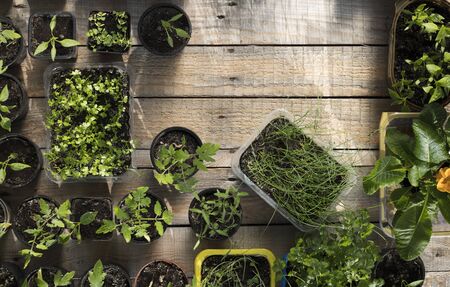
When it comes to enjoying fresh herbs year-round in Britain, selecting the right varieties is key. Not all herbs are equally suited to our unpredictable weather or the constraints of container gardening. Begin by choosing hardy and versatile herbs that can handle cooler temperatures, gusty winds, and the occasional downpour—common features of the UK climate. Classics like rosemary, thyme, sage, and chives are excellent choices; these perennials can withstand a typical British winter with minimal fuss. For cooks who enjoy Mediterranean flavours, oregano and marjoram are reliable options that flourish in pots. If you have a sheltered spot or a sunny windowsill, annuals such as basil and coriander also perform well but will need a bit more care during colder months.
For those with limited space, compact herb varieties—like dwarf basil or creeping thyme—are perfect for window boxes or small containers. Consider mixing different herbs in one pot, ensuring each has similar water and sunlight needs. This not only saves space but creates an attractive display for your patio or kitchen sill. Always opt for good-quality compost and pots with proper drainage holes to prevent waterlogging during rainy periods. By choosing robust, adaptable herbs and providing them with the right conditions, you’ll set yourself up for continuous harvesting regardless of the season.
2. Sowing and Planting Techniques
Growing herbs in containers is a delightful way to ensure you have fresh flavours at your fingertips all year round. Success begins with knowing when and how to sow seeds or transplant young plants, especially given the quirks of British weather. Here’s some practical advice for making the most of your potted herb garden.
Timing Your Sowing
In the UK, timing is everything. Some herbs prefer being started indoors, while others do well sown directly outside once the risk of frost has passed. Use the table below as a quick reference guide:
| Herb | Best Sowing Time (UK) | Sowing Method |
|---|---|---|
| Basil | March–April (indoors), May (outdoors) | Seed indoors then transplant |
| Coriander | April–June | Direct sow outdoors or in large pots |
| Parsley | February–June (indoors or outdoors) | Sow direct or start indoors |
| Mint | March–May | Transplant young plants or root cuttings |
| Chives | March–May | Sow direct or start indoors |
| Rosemary & Thyme | April–June (young plants recommended) | Transplant young plants for best results |
Sowing Seeds: Practical Steps for Containers
1. Choose Quality Compost: Use peat-free multipurpose compost for most herbs. Mediterranean varieties like rosemary and thyme prefer a grittier mix.
2. Sow Sparingly: Sprinkle seeds thinly on the surface and cover lightly with compost or vermiculite.
3. Water Gently: Mist with a spray bottle to avoid disturbing seeds.
4. Provide Warmth and Light: Place containers on a sunny windowsill or in a greenhouse until seedlings emerge.
Transplanting Young Herbs: Getting Started Right
If you’re using plug plants from a local nursery or garden centre, acclimatise them first by placing them outside during the day and bringing them back in at night for about a week. When planting out:
– Space Appropriately: Allow room for air circulation—crowding can lead to disease.
– Water Well: Moisten thoroughly after transplanting.
– Position Wisely: Most herbs need at least 6 hours of sunlight daily, so choose your spot carefully.
Troubleshooting Common Issues
- Damping Off: Avoid overwatering and ensure good drainage.
- Poor Germination: Double-check seed freshness and temperature requirements.
A Little Local Tip:
If space is tight, try window boxes or hanging baskets—herbs like trailing thyme look lovely spilling over the edge and are easy to reach from your kitchen window.

3. Everyday Care and Maintenance
Watering: Find the Perfect Balance
Container herbs need consistent moisture, but soggy roots are a recipe for disaster—especially with our famously changeable British weather. Always check the soil before watering; if the top inch feels dry, it’s time for a drink. Rainwater is ideal when available, but tap water will do just fine. In summer, daily checks are wise, while in winter, you may only need to water once every week or so.
Feeding: Gentle Nutrition for Lush Growth
Herbs don’t crave heavy feeding like some vegetables. A light, general-purpose liquid fertiliser every four to six weeks during the growing season (March to September) keeps them healthy and aromatic. Overfeeding can dilute those lovely flavours, so less is more. Organic feeds, such as seaweed extract or homemade compost tea, are perfect for eco-friendly gardeners and help maintain robust growth.
Positioning: Making the Most of Light and Shelter
Most herbs adore sunlight—aim for at least six hours of bright light each day. A south- or west-facing patio or windowsill is ideal for classics like basil, rosemary, and thyme. If strong winds are a concern (all too common on British balconies), group pots together or tuck them against a wall for shelter. For shadier gardens, parsley, mint, and chives cope better with less sun.
Quick Tips for Every Season
- Spring & Summer: Move containers outdoors after the last frost and watch for rapid drying in hot spells.
- Autumn: Prune back perennials lightly and check drainage as rainfall increases.
- Winter: Cluster pots close to your home’s walls to offer warmth and protection from frost—bubble wrap around containers helps insulate roots.
Caring for your container herbs doesn’t require green-fingered expertise—just a few thoughtful routines to keep them thriving all year round, whatever the British skies throw your way.
4. Pruning and Harvesting for Abundant Crops
Pruning and harvesting are key to enjoying a steady supply of fresh herbs from your containers throughout the year. Regular attention not only keeps plants healthy but also encourages bushier, more productive growth—just what you need for British kitchens all year round. Here’s how you can prune and harvest efficiently without putting undue stress on your herbs.
Why Prune?
Pruning helps prevent herbs from becoming leggy or flowering too soon, which can affect both flavour and yield. By snipping back stems, you encourage the plant to branch out, resulting in fuller growth and more leaves to enjoy.
Effective Harvesting Techniques
Always use sharp, clean scissors or secateurs to avoid damaging your plants. Aim to harvest in the morning when oils are most concentrated for maximum flavour. Remove no more than one-third of the plant at any time; this ensures continued healthy growth.
Quick Reference Table: Pruning & Harvesting Best Practices
| Herb | Pruning Frequency | Harvesting Tip |
|---|---|---|
| Basil | Every 1-2 weeks | Pinch out tops just above a leaf pair |
| Mint | Every 2-3 weeks | Cut stems down to just above soil level |
| Rosemary | Monthly | Snip young, non-woody stems only |
| Parsley | As needed | Pick outer leaves first to allow regrowth |
Avoid Common Mistakes
Avoid cutting into woody stems or removing too much at once, as this can shock your plant. If flowers appear, nip them off promptly—this diverts energy back into leaf production, ensuring a longer harvest window.
By following these simple pruning and harvesting guidelines, you’ll keep your container herbs thriving and ensure a continuous supply of aromatic leaves for every season in the UK.
5. Year-Round Protection from British Weather
British weather is famously unpredictable, with sudden frosts, persistent rain, and the occasional heatwave all posing challenges for container-grown herbs. To keep your herbs thriving throughout the year, it’s important to use a few simple yet effective protection strategies tailored to our UK climate.
Shielding from Frost
Frost can quickly damage tender herb leaves and roots. Move containers closer to the house or into a sheltered spot when frost is forecast. Wrapping pots in horticultural fleece or bubble wrap offers extra insulation. For small containers, even an upturned cardboard box overnight can help prevent frostbite on chilly mornings.
Defending Against Heavy Rain
Persistent rain can lead to waterlogged soil and root rot. Ensure containers have drainage holes and are raised slightly off the ground using pot feet or bricks. Consider moving pots under eaves or temporary shelters during long wet spells, and use well-draining compost mixes to avoid soggy roots.
Coping with Heatwaves
While true heatwaves are rare in the UK, sudden hot spells do happen. During these times, water your herbs early in the morning or late in the evening to minimise evaporation. Place light-coloured mulch—such as gravel or straw—on top of the soil to keep roots cool and reduce moisture loss. If possible, shift containers into partial shade during the hottest part of the day.
Additional Tips for All Seasons
Regularly check your herbs for signs of stress, such as wilting, yellowing leaves, or slow growth. Adjust watering routines as needed, and rotate container positions to make the most of sunlight while providing shelter from harsh winds. By staying attentive and proactive, you’ll ensure a continual harvest of fresh herbs whatever the British weather throws your way.
6. Storing and Preserving Your Bounty
Effective Ways to Keep Your Herbs Fresh All Year
Once your container-grown herbs have thrived through the seasons, its time to think about how you can store and preserve their vibrant flavours for use throughout the year. With just a few easy techniques, your home-grown bounty will remain a staple in your kitchen, whatever the weather.
Drying: The Traditional British Method
Air drying is an age-old favourite in the UK, especially for woody herbs like rosemary, thyme, or sage. Simply gather small bunches, tie with twine, and hang them upside down in a cool, dry spot away from direct sunlight—a shed or pantry works well. Once crisp, crumble them into airtight jars. For softer herbs such as basil or parsley, try using a low oven or dehydrator for gentle drying.
Freezing: Lock in Freshness
To preserve that just-picked taste, freezing is wonderfully effective. Chop your herbs and pop them into ice cube trays, then cover with water or olive oil before freezing. Once set, transfer cubes to freezer bags. These handy portions are perfect for dropping straight into soups and stews during colder months.
Infusing: Capture Flavour in Oils and Vinegars
Infusing oils or vinegars is a lovely way to keep herbal notes alive all year round. Fill a sterilised bottle with sprigs of clean, dry herbs (think rosemary, thyme, or tarragon) and top up with good-quality olive oil or vinegar. Leave in a cool place for two weeks, then strain if desired. Drizzle over salads or roasted veg for a touch of summer even in winter.
Top Tip:
Always label your jars and bottles with the herb name and date. This not only keeps your kitchen organised but also helps you track freshness—so you can enjoy the very best of your garden’s harvest at any time of year.