1. Understanding Peat-Free Compost
Peat-free compost has become a cornerstone for urban gardeners in the UK who are keen to make environmentally responsible choices when caring for their houseplants. Traditionally, peat was prized for its moisture retention and nutrient profile, but its extraction has caused significant damage to British peat bogs—unique habitats that play a vital role in carbon storage and biodiversity. The shift towards peat-free alternatives is therefore more than a gardening trend; it’s an essential response to ecological challenges and the need for sustainable horticulture in city living.
What exactly is peat-free compost? At its core, it is any growing medium formulated without peat moss. Instead, these blends typically use materials such as coir (coconut fibre), wood fibre, green waste compost, or bark fines. These ingredients are chosen for their ability to replicate the structure and moisture-holding properties of peat while reducing environmental impact.
Despite widespread advocacy, several myths persist around peat-free compost. Some believe it is inferior in quality or less effective for plant growth, but modern formulations have advanced considerably and can support thriving houseplants when chosen wisely. Another misconception is that all peat-free options are equally eco-friendly—its important to check the sourcing and processing of alternative materials to ensure they align with sustainable practices.
For UK urban gardeners, embracing peat-free compost is not just about following regulations or trends; it’s about contributing to national efforts in climate action and habitat preservation. Understanding what peat-free compost is, why it matters locally, and dispelling common myths provides a strong foundation for making informed choices as you cultivate healthy, vibrant houseplants.
Choosing the Right Peat-Free Mix for Houseplants
Urban gardeners across the UK are increasingly turning to peat-free compost as a sustainable alternative, but not all peat-free mixes are created equal. Selecting the right blend for your indoor plants is crucial for their long-term health and growth. British homes typically feature a diverse range of houseplants, from resilient spider plants to moisture-loving ferns. Understanding the needs of these common species will help you choose a peat-free compost that supports vibrant, healthy plants all year round.
Key Considerations for Houseplant Compost Selection
When browsing for peat-free options, keep in mind that houseplants generally require composts with good drainage, stable structure, and balanced nutrients. Some species may need additional components such as perlite or bark for aeration, while others thrive in richer organic matter. Below is a practical guide comparing common indoor plant types and recommended peat-free compost blends:
Peat-Free Compost Recommendations for Popular British Houseplants
| Houseplant Type | Preferred Compost Texture | Recommended Additives | Notes |
|---|---|---|---|
| Spider Plant (Chlorophytum comosum) | Light, well-draining | Perlite or fine grit | Avoid waterlogged mixes; occasional feeding helpful |
| Peace Lily (Spathiphyllum) | Moisture-retentive, airy | Coconut coir, bark chips | Keeps roots damp but not soggy; ensure good airflow |
| Orchid (Phalaenopsis & others) | Very loose, chunky | Pine bark, sphagnum moss (peat-free) | Requires high air circulation around roots |
| Cactus & Succulents | Sandy, fast-draining | Horticultural sand, grit | Mimics arid conditions; prevents root rot |
| Ferns (Boston Fern etc.) | Moist but not soggy, fibrous | Coconut coir, leaf mould (peat-free) | Loves humidity; avoid letting dry out completely |
| Ficus (Rubber Plant etc.) | Rich, free-draining loam | Bark chips, coir fibre | Tolerates drier air but prefers steady moisture levels |
Tips for Blending and Adjusting Peat-Free Mixes at Home
If you’re unable to find a pre-blended mix suited exactly to your plant’s needs, don’t hesitate to customise. Combine base peat-free composts with materials like perlite or horticultural grit to improve drainage for succulents or add coconut coir for moisture-loving varieties. Always check the label for ingredients—UK-made blends often use locally-sourced green waste compost, wood fibre, or coir as core components. The key is to observe your plant’s response and tweak your mix over time. Remember: consistent watering habits and periodic repotting also play a vital role in maintaining healthy indoor greenery.

3. Sourcing Sustainable Compost in the UK
Finding high-quality peat-free compost for your houseplants is easier than ever, thanks to a growing demand for sustainable gardening solutions across the UK. For urban gardeners, sourcing from reputable local retailers ensures both convenience and environmental integrity. Here are some practical tips to guide your search:
Local Garden Centres
Most independent and chain garden centres now stock a range of peat-free options. Look out for well-known British brands such as Westland, SylvaGrow, and Miracle-Gro’s peat-free lines. Staff are often knowledgeable about their products and can provide guidance tailored to houseplants.
DIY Shops
Larger DIY stores like B&Q, Wickes, and Homebase usually carry peat-free compost in their gardening sections. These shops often label their sustainable products clearly, making it easy to spot eco-friendly choices while picking up other household essentials.
Online Suppliers
If you prefer the convenience of online shopping or live in an area with limited retail options, several reputable UK-based suppliers offer delivery. Websites like Crocus, The Organic Gardening Catalogue, and even Ocado feature trusted peat-free brands. Always check for certifications such as the RHS-Approved mark or Soil Association Organic Standard when ordering online.
Tip: Check the Ingredients List
No matter where you shop, always read the packaging or product description to ensure the compost contains no hidden peat content. High-quality mixes often use coir, bark fines, wood fibre, or green waste as base materials—these are suitable for most houseplants and align with sustainable practices.
In Summary
Sourcing sustainable compost locally supports British businesses and reduces your carbon footprint. Whether you’re browsing garden centres, DIY shops, or trusted online platforms, there’s never been a better time to switch to peat-free compost for your urban indoor garden.
4. Potting and Repotting Houseplants with Peat-Free Compost
Step-by-Step Guide for Urban Gardeners
Transitioning your houseplants to peat-free compost is straightforward, but a few key steps will help you avoid common pitfalls, especially in compact city flats where conditions can be less than ideal.
Step 1: Prepare Your Tools and Space
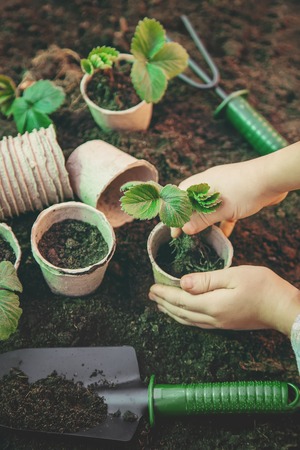
Begin by gathering everything you need: clean pots (with drainage holes), fresh peat-free compost, gloves, a trowel, and watering can. Lay out newspaper or a mat to protect your floors—urban homes often have limited space, so keeping things tidy helps.
Step 2: Assess and Remove the Plant
Water your plant lightly an hour before repotting; this reduces root shock. Gently tap the pot’s sides and ease the plant out, supporting the base. Inspect the roots—trim away any that are dead or circling excessively.
Step 3: Address Soil Structure and Drainage
Peat-free composts sometimes hold water differently than traditional mixes. To enhance structure and drainage, consider mixing in horticultural grit or perlite (about 10–20% of total volume). This is particularly helpful for flats with low airflow or humidity.
| Compost Component | Purpose | Recommended Proportion |
|---|---|---|
| Peat-free compost | Nutrient base | 70–80% |
| Horticultural grit/perlite | Drainage improvement | 10–20% |
| Bark chips (optional) | Aeration for larger plants | Up to 10% |
Step 4: Repotting Process
Add a layer of gravel or broken pottery to the pot’s base if extra drainage is needed (especially important in older London flats prone to dampness). Fill with some prepared compost mix, position your plant centrally, then backfill around the roots. Firm gently but do not over-compress—roots need air as well as support.
Step 5: Watering and Aftercare
Water thoroughly after repotting, allowing excess water to drain away completely. In urban homes, err on the side of underwatering rather than overwatering; peat-free composts are often slower to dry out. Place your plant in indirect light while it recovers from transplant shock.
Troubleshooting Common Issues in Flats:
| Issue | Possible Cause | Solution |
|---|---|---|
| Soggy soil | Poor drainage or overwatering | Add more grit/perlite; reduce watering frequency |
| Mould on surface | Poor air circulation/humidity build-up | Move to a breezier spot; scrape off mould and replace top layer of compost |
| Drooping leaves post-repotting | Transplant shock or too much water | Allow time to recover; keep in moderate light and check soil moisture before next watering |
This methodical approach should help your houseplants thrive in peat-free compost, even in the unique microclimates of UK city living.
5. Troubleshooting Common Issues
Peat-free compost is a brilliant sustainable choice, but using it indoors with houseplants does sometimes present unique challenges. Understanding how to identify and address these issues will help keep your urban jungle thriving. Below, we outline some of the most common problems you might face and offer practical solutions tailored for UK households.
Nutrient Deficiencies
Peat-free composts can occasionally provide fewer nutrients than traditional peat-based mixes, particularly in the early stages. If you notice pale leaves, slow growth or weak stems, your plants may be suffering from a lack of key nutrients such as nitrogen or magnesium.
How to Spot
Look out for yellowing leaves (often starting at the tips), stunted growth, or leaves developing unusual patterns or browning edges.
How to Solve
Start by feeding your plants with a balanced liquid fertiliser every fortnight during the growing season. Opt for an organic feed suited for houseplants and follow the manufacturer’s instructions carefully. Regularly check the compost moisture as well; overwatering can also cause nutrient lockout.
Pest Problems
Switching compost types can sometimes disturb the natural balance in your plant pots, making them more susceptible to pests like fungus gnats, aphids, or spider mites—especially in centrally heated homes.
How to Spot
Check for tiny insects on leaves or soil surface, sticky residue (a sign of sap-sucking pests), webbing under leaves, or sudden leaf drop.
How to Solve
If you spot pests, isolate affected plants immediately. For minor infestations, wash leaves gently with lukewarm water or use a mild soapy spray. For persistent problems, introduce natural predators such as ladybirds (available online in the UK) or use an organic pesticide that is safe for indoor use.
Mould and Fungal Growth
Peat-free mixes often retain moisture differently than peat-based ones, which can sometimes encourage surface mould or mildew if overwatered or kept in low light.
How to Spot
White fuzzy patches on the compost surface or a musty smell are classic indicators.
How to Solve
Improve air circulation around your plants and reduce watering frequency. Remove affected topsoil and replace it with fresh peat-free compost. If necessary, move plants closer to a window to increase light levels, especially during gloomy British winters.
Summary Tips for Urban Gardeners
Regularly inspect your houseplants for signs of stress and act promptly. Remember that peat-free composts may require slight adjustments in feeding and watering routines compared to traditional mixes. With careful observation and quick troubleshooting, your houseplants will flourish—making your city home greener and healthier.
6. Eco-Friendly Tips for Urban Gardeners
Adopting sustainable gardening practices is essential for urban dwellers who wish to nurture their houseplants responsibly. Here are some practical, eco-friendly tips specifically tailored for those using peat-free compost in UK cities:
Start Small-Scale Composting Indoors
If you have limited space, consider a compact wormery or bokashi bin. These systems allow you to recycle kitchen scraps, coffee grounds, and plant trimmings into nutrient-rich compost—perfect for topping up your houseplant pots. It’s a simple way to reduce household waste and close the loop on nutrients.
Recycle Plant Materials Thoughtfully
When repotting or pruning, save healthy leaves and stems for propagation, or chop and add them to your indoor compost system. For diseased material, dispose of it via council green waste collections to avoid spreading pests and pathogens indoors.
Choose Sustainable Watering Methods
Collect rainwater where possible by placing containers on balconies or windowsills. Rainwater is better for most houseplants than tap water (which can be hard in many UK areas) and helps conserve resources. Remember to clean water containers regularly to prevent mosquito breeding.
Reuse and Repurpose Containers
Instead of buying new pots, reuse yoghurt tubs, old mugs, or other containers as planters (just remember to add drainage holes). This not only reduces plastic waste but also adds character to your indoor garden.
Select Peat-Free Compost with Care
Look for reputable UK brands that clearly label their products as peat-free and sustainably sourced. Some mixes include recycled green waste or coir; check that these materials are ethically obtained.
Sustainable Plant Care Habits
Avoid synthetic fertilisers where possible—opt instead for organic feeds such as homemade nettle tea or liquid seaweed extract. Practice integrated pest management: use physical barriers and encourage beneficial insects rather than reaching for chemical sprays.
By weaving these eco-conscious habits into your routine, you’ll create a greener home environment and contribute positively to the wider urban ecosystem—all while enjoying thriving, healthy houseplants with minimal environmental impact.