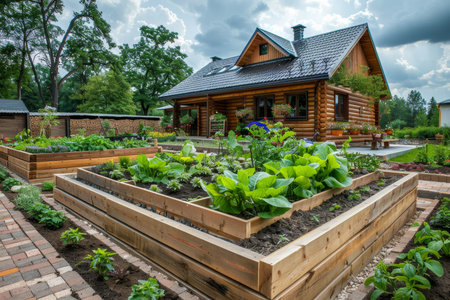
Understanding Hardening Off
Hardening off is a gentle, gradual process that helps young seedlings adapt from the safe, cosy world of your windowsill or greenhouse to the ever-changing conditions of the great British outdoors. Think of it as giving your plants a little “outdoor training”—just like children need time to adjust to new experiences, so do your seedlings! In the UK, where spring weather can swing from balmy sunshine to chilly gusts in a matter of hours, hardening off becomes an essential step in the gardening journey.
This transition period allows seedlings to build resilience, strengthening their stems and leaves against wind, sun, and cooler temperatures. Without it, tender young plants might suffer shock or stunted growth when planted straight outside. Traditionally in Britain, hardening off begins in late spring—often around May—when days are longer but frosts may still sneak in. Aligning this process with our local gardening calendar ensures your plants are ready to thrive in their new home just as the risk of frost fades away. By understanding and embracing hardening off, you’re setting your garden up for a flourishing season ahead.
2. Timing is Everything: Best Months for Britain
When it comes to hardening off your precious seedlings, British gardeners know that patience and timing are key. Our unpredictable weather—one minute sunny, the next a chilly shower—means we must pay close attention to both the calendar and the clouds. The process of moving seedlings from cosy windowsills or greenhouses out into the open air relies heavily on avoiding late frosts and choosing the right moment.
Frost Dates Matter
In Britain, local last frost dates vary from region to region, so knowing your area’s typical pattern can make all the difference. For most of southern England, late April to early May is usually safe, while in Scotland and northern regions, you might be waiting until mid-May or even June. Consult your local gardening centre or check trusted online resources for precise frost predictions in your area.
| Region | Typical Last Frost Date | Suggested Hardening Off Period |
|---|---|---|
| Southern England | Late April – Early May | Late April – Mid May |
| Northern England | Early – Mid May | Mid May – Late May |
| Scotland & Highlands | Late May – Early June | Early June – Mid June |
| Wales & West Country | Early – Mid May | Mid May – Late May |
Cue from Nature
If you’re gardening with little ones, make it a fun family ritual to look for natural signs that it’s nearly time: blossom on apple trees, bluebells carpeting woodlands, or even the cheerful return of swallows! These gentle hints from nature often signal that warmer days are here to stay.
A Parent’s Tip:
Treat this transition like preparing children for their first day at school—don’t rush. Just as children need time to adjust to a new environment, so do young plants need gradual exposure to outdoor conditions. Give them a week or two of slowly increasing outdoor hours once frost danger has passed and before planting them into their permanent garden home.

3. Step-by-Step Guide: Easing Seedlings Outdoors
Just as we gently encourage our children to explore the world beyond the comfort of home, so too do our seedlings require a thoughtful introduction to the great British outdoors. Hardening off is a nurturing process, one that asks us to be patient and attentive, much like guiding a little one through their first day at school. Here’s a gentle, practical guide to help your seedlings make this big transition smoothly:
Step 1: Choose the Right Timing
Begin hardening off about two weeks before you plan to plant out your seedlings. In the UK, this usually means waiting until late spring when frosts are less likely. Keep an eye on your local weather forecast – those sudden chilly snaps can catch even seasoned gardeners unawares.
Step 2: Introduce Fresh Air Gradually
On the first day, place your seedlings outside in a sheltered spot—out of direct sunlight and protected from strong winds—for just one or two hours. Think of it as their first taste of fresh air at playtime, with you watching nearby.
Step 3: Increase Exposure Slowly
Each day, extend their outdoor time by an hour or two, gradually moving them into dappled light and then eventually into full sun. Bring them back indoors each evening where it’s warm and safe. This routine helps them build up resilience without being overwhelmed, much like slowly building a child’s confidence away from home.
Step 4: Mind the Weather
If the weather turns blustery or cold—classic British unpredictability—pause the process for a day or two. Seedlings need consistency and care; there’s no harm in giving them extra protection if things get rough outside.
Step 5: Prepare for Planting Out
After about 7-10 days, when your seedlings have spent full days and nights outdoors (provided temperatures are mild), they’re ready for planting out. This is their moment to shine and grow strong roots in your garden soil—much like a child venturing out with newfound independence.
A Final Word of Encouragement
Remember, every seedling—like every child—is unique. Some may take a bit longer to adjust, while others bound ahead eagerly. With patience and a gentle hand, you’ll set them up for success in your beautiful British garden.
4. Recognising and Responding to Seedling Stress
Just as every parent keeps a watchful eye when their child takes first steps into a new world, so too should we look for the subtle signs of discomfort in our seedlings during hardening off. This transition from the warm, protected indoors to the sometimes unpredictable British weather can be quite the adventure for young plants. Learning to recognise early signs of stress allows you to offer gentle support, much like offering a reassuring hug to a nervous child on their first day at school.
Common Signs of Seedling Stress
Keep a lookout for these telltale signs that your seedlings might be struggling:
| Sign of Stress | What it Looks Like | Possible Cause | Suggested Response |
|---|---|---|---|
| Wilting | Limp or drooping leaves and stems | Lack of water or sudden temperature changes | Move seedlings to a shadier spot and ensure soil remains moist but not waterlogged |
| Leaf Scorching | Yellow or brown patches on leaves | Exposure to direct sunlight too soon | Gradually increase sun exposure over several days; use fleece if needed |
| Purple Leaves | Pale or purple-tinged foliage | Cold shock, especially with night temperatures | Bring seedlings indoors overnight until nights are milder; cover with cloches if outdoors |
| Stunted Growth | No new leaves or noticeably slow growth | Stress from sudden change in conditions or insufficient nutrients | Pace the transition; consider feeding with a diluted liquid fertiliser suitable for young plants |
| Damping Off (Mould) | Soggy stems near soil, fuzzy white mould, collapse of seedlings | Poor air circulation and overly wet conditions | Avoid overwatering; increase ventilation and space between seedlings; remove affected plants promptly |
Nurturing Your Seedlings Through Challenges
If you notice any of these symptoms, don’t panic—think of yourself as a gentle guide, ready with patience and encouragement. Remember, resilience is built gradually. Adjust their environment little by little: reduce time outdoors if the weather turns blustery, cover them during chilly nights, and always check the forecast (a true British pastime!). Speak kindly to your seedlings; after all, many gardeners believe a few words of encouragement can do wonders!
The Parent’s Touch: Balancing Protection and Independence
Just as children flourish when given both boundaries and freedom, so too will your seedlings. Stay observant but resist the urge to coddle them endlessly—let them face mild breezes and cooler temperatures under your watchful eye. This careful balance sets them up for robust growth once they’re finally planted out in your quintessentially British garden beds.
A Shared Journey of Growth
The process of hardening off isn’t just about toughening up plants—it’s also an opportunity for you and your family to bond over small daily rituals. Involve children in checking for signs of stress, turning it into a gentle lesson about empathy and care that stretches far beyond the garden fence.
5. Dealing with Typical British Weather Challenges
As any British gardener knows, our weather is as changeable as a curious toddler’s mood—one moment sunny and warm, the next, a chilly breeze or a sudden downpour. When hardening off seedlings, these unpredictable conditions can be tricky for both plants and parents alike! Here are some gentle, hands-on tips to help your young plants (and budding gardeners) cope with classic British weather.
Protecting from Cool Winds
Britain’s brisk winds can quickly chill tender seedlings. Try placing your trays in a sheltered spot, such as against a south-facing wall or behind a garden fence. For extra protection, you might build a simple windbreak together using sticks and horticultural fleece. Involve your children by letting them collect materials and help construct this little ‘seedling shield’—it’s teamwork that plants will appreciate!
Guarding Against Rain Showers
Frequent rain is part of our garden story. While seedlings need moisture, heavy showers can flatten them or wash away precious soil. Use clear plastic cloches, upturned storage boxes, or even old umbrellas to create cosy shelters during downpours. Encourage your child to become the family’s ‘weather watcher’, checking forecasts and helping you pop covers on or off as needed—a playful way to make caring for plants an everyday adventure.
Coping with Sudden Temperature Drops
Spring nights can still bring an unexpected chill, especially in the UK. Move seed trays indoors overnight during cold snaps, or tuck them under a cold frame if you have one. If frost threatens, wrap the trays in newspaper or fleece before bedtime—just like tucking little ones in for the night! This simple ritual not only protects delicate seedlings but also teaches children about nurturing and responsibility.
Tip: Consistency is Key
Gradually increase the time seedlings spend outside each day so they can adapt to fluctuating conditions. Make it a daily family routine—each morning, take your seedlings out together; each evening, bring them back in or check their covers. These small acts build both resilient plants and lasting family memories.
Together, Growing Resilience
Through every gusty wind and rainy afternoon, remember: just as children grow stronger with loving guidance through life’s ups and downs, so too do your seedlings flourish when patiently protected from Britain’s quirky climate. Embrace each challenge as an opportunity to nurture—not just your garden, but also curiosity and care within your family.
6. Gardener’s Reflections: Building Resilience Together
As we guide our seedlings from the comfort of the windowsill to the unpredictable British outdoors, it’s hard not to draw parallels with nurturing our children through life’s transitions. Just as young plants need gradual exposure to sun and wind, our little ones benefit from gentle encouragement when facing new experiences—be it starting school, joining a club, or simply trying something new in the garden. We, as gardeners and parents, become both protectors and cheerleaders, offering just enough support while allowing space for growth.
Through each step—be it an unexpected late frost or a child’s wobbly first bike ride—we witness resilience developing. Our seedlings learn to brace against the breeze; our children learn to stand tall after setbacks. The process of hardening off isn’t just about toughening plants but also about teaching patience and trust in natural progression. We remind ourselves that strength is built slowly, and that confidence grows alongside roots and wings.
The British climate teaches us all about flexibility and hopefulness; one day it may drizzle, the next it shines. Likewise, family life comes with its own weather—ups and downs, laughter and learning. In these shared moments in the garden, we model perseverance and adaptability for our children. We show them that, with care and time, both people and plants can thrive even when conditions aren’t always ideal.
So next time you lead your seedlings outdoors, pause together with your family. Notice how much they’ve grown—both the children at your side and the tiny leaves reaching for the sky. Celebrate each small victory: a sturdy stem, a brave heart, a new leaf or a newfound skill. By tending to our gardens with love and patience, we nurture not only healthy crops but also resilient spirits ready to face whatever British weather—and life—brings their way.