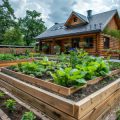
Introduction to Seasonal Garden Planning
In the United Kingdom, the art of garden design is deeply entwined with both climate and culture, making thoughtful layout more than a matter of aesthetics. The UK’s distinctive weather patterns—marked by mild winters, unpredictable rainfall, and cool summers—demand strategic planning to ensure year-round vibrancy and resilience. Moreover, British gardening traditions place strong emphasis on creating outdoor spaces that not only flourish across the seasons but also serve as extensions of home life, hosting everything from summer gatherings to quiet autumn contemplation. A well-considered garden layout, incorporating pathways, structured beds, and carefully positioned focal points, becomes essential for maximising seasonal impact. By accounting for changing light conditions, plant succession, and visual interest throughout the year, gardeners can craft spaces that remain inviting whatever the weather. This approach not only reflects the best of British gardening heritage but also responds to contemporary needs for sustainable, adaptable landscapes.
Designing Paths for Year-Round Journey
Thoughtfully designed garden paths are the backbone of any British garden layout, guiding movement and offering ever-changing perspectives throughout the seasons. When planning paths for maximum seasonal impact, it is essential to balance functionality with visual interest, ensuring visitors can experience your garden’s evolving displays with ease and delight.
Strategic Path Placement
The primary strategy is to lay out routes that connect key areas—entrances, seating zones, focal points, and beds—while encouraging exploration. Curved or meandering paths create a sense of intrigue and allow for surprise views as the garden matures through spring bulbs, summer blooms, autumn foliage, and winter structure. Intersecting paths or secondary walkways can be used to highlight specific plantings or features at their seasonal peak.
Material Selection in British Gardens
Path materials should harmonise with both the style of your home and the regional character. In Britain, traditional options such as gravel, brick, natural stone (like Yorkstone or slate), and reclaimed paving are preferred for their durability and ability to complement varied planting schemes. Below is a comparison table of common path materials used in British gardens:
| Material | Advantages | Considerations |
|---|---|---|
| Gravel | Permeable, informal look, cost-effective | Requires edging; occasional replenishment needed |
| Brick | Classic appearance; suits cottage and formal gardens | Moss growth can cause slipperiness; regular cleaning needed |
| Natural Stone (e.g., Yorkstone) | Timeless aesthetic; long-lasting; blends well with plants | Higher initial cost; professional installation recommended |
| Reclaimed Paving | Sustainable; unique character; weathers attractively | Irregular shapes may require skilled laying |
Layout Techniques for Seasonal Displays
Avoid straight lines unless aiming for a formal effect; instead, allow paths to gently curve around beds and under archways. This not only softens the overall design but also positions visitors to enjoy plant groupings at their best through each season. Placing seating or pauses along routes near spring-flowering shrubs or autumnal trees encourages people to linger where seasonal highlights occur.
Accessibility and Maintenance Considerations
Ensure all main paths are wide enough for comfortable passage (typically 90cm minimum) and use slip-resistant surfaces—especially important in Britain’s damp climate. Choose edging materials that keep paths tidy while containing gravel or mulch within borders. Regular maintenance will guarantee paths remain both beautiful and practical year-round.

3. Structuring Garden Beds for Succession Planting
Designing garden beds for maximum seasonal impact is a cornerstone of effective garden layout in the UK, where changing seasons offer opportunities to showcase evolving colour and texture. To achieve year-round interest, succession planting—where different plants take centre stage at various times—should be at the heart of your bed arrangement.
Layering for Year-Round Colour
Begin by structuring your beds in layers, taking inspiration from traditional cottage gardens. Place taller perennials or shrubs towards the back (or centre, if the bed is island-style), with medium-height plants in the middle and groundcovers or low-growing species at the front. This classic British approach not only ensures every plant has its moment but also creates a tapestry of form and hue through the seasons. Early bulbs like snowdrops and daffodils give way to foxgloves and hardy geraniums in late spring, followed by summer stalwarts such as delphiniums, hollyhocks, and roses. Late-flowering asters and ornamental grasses then carry the display into autumn.
Incorporating Wildlife-Friendly Schemes
UK gardeners increasingly favour wildlife-friendly planting schemes, integrating native species and nectar-rich flowers that support pollinators. Interplanting annuals like cosmos or cornflowers among perennials boosts both biodiversity and visual appeal. Allow seed heads from plants such as teasels or echinacea to remain over winter, providing habitat for birds and adding architectural interest when frosted.
Practical Tips for Bed Arrangement
When planning your garden beds, ensure easy access for maintenance via informal paths or stepping stones—a nod to relaxed British gardening style. Group plants with similar cultural needs together, considering sun exposure and soil type typical of your locale. Curved bed edges evoke a naturalistic look beloved in UK gardens, while careful succession planning ensures there’s always something catching the eye throughout the year.
By thoughtfully structuring your beds with an emphasis on layering, succession, and ecological value, you’ll create a garden that not only delights across the seasons but also embodies quintessentially British charm.
4. Creating Focal Points for Visual Impact
Establishing focal points is a crucial strategy in garden layout, especially when aiming for year-round interest. A well-placed focal point not only draws the eye but also provides structure and meaning to the overall design, tying together paths and beds while anchoring the seasonal changes within your outdoor space.
Techniques for Designing Effective Focal Points
To create striking visual impact, consider the following techniques using classic British garden elements:
| Feature | Description | Seasonal Impact | Placement Tips |
|---|---|---|---|
| Traditional Statues | Sculptural pieces in stone or metal, often reflecting heritage themes. | Adds elegance and permanence, visible through winter when beds are bare. | Position at path junctions or opposite key viewpoints for maximum visibility. |
| Arbours & Pergolas | Garden structures that offer vertical interest and support climbers. | Provide height in winter; burst into colour with roses or wisteria in summer. | Frame entrances or end of vistas to draw visitors through the garden. |
| Specimen Shrubs | Distinctive plants such as Japanese maples or evergreen topiary. | Evergreens give year-round form; deciduous varieties provide autumn spectacle. | Place centrally in beds or as anchors at corners to define spaces. |
Selecting Features for Seasonal Relevance
The success of a focal point depends on its relevance throughout the changing seasons. For example, a classic sundial or urn can be underplanted with bulbs for spring display, surrounded by summer perennials, and then highlighted by frost in winter. Similarly, an arbour can be adorned with festive lights during the darker months to maintain visual appeal. Choose materials and plantings that withstand British weather conditions to ensure longevity and consistency.
Optimising Visibility from Key Garden Perspectives
Strategic placement is essential. Identify sight lines from main windows, seating areas, or along primary paths. Align focal points so they are visible from multiple vantage points, ensuring every area of your garden enjoys a sense of purpose and intrigue across all seasons. This thoughtful approach transforms your garden into a dynamic landscape, where each feature plays a role in the unfolding story of the year.
5. Balancing Structure and Softness Throughout the Year
Achieving a garden that captivates in every season is a hallmark of classic British design. The secret lies in maintaining a harmonious balance between evergreen structure—such as hedges and topiary—and softer, more transient planting. This equilibrium not only provides year-round interest but also ensures that your garden’s layout remains visually coherent and inviting, regardless of the weather.
Evergreen Framework: The Backbone of British Gardens
Start by establishing an evergreen framework using traditional elements like yew or box hedging, clipped topiary balls, or even pleached trees. These features serve as architectural anchors, outlining paths and beds, and delivering definition during the winter months when herbaceous borders die back. In smaller plots, consider vertical accents with holly or laurel standards to add height without overwhelming the space.
Soft Planting for Seasonal Flourish
Complement your structural plantings with drifts of perennials, ornamental grasses, and flowering shrubs. Think of planting schemes that evolve gracefully through the seasons: snowdrops and hellebores in late winter; tulips and alliums for spring colour; followed by summer’s roses, salvias, and geraniums; and finally, autumnal asters and sedums. Intermingling these soft layers with evergreens ensures that there is always something to catch the eye.
Strategic Positioning for Continuous Interest
Place evergreen shapes at key sightlines—framing focal points or punctuating long pathways—to draw attention throughout the year. Use soft planting to blur the edges of formal lines, creating a gentle transition from rigid structure to naturalistic flow. This approach echoes the quintessential English tradition of blending order with romance.
Maintenance Tips for Lasting Balance
Prune hedges and topiary regularly to retain crisp outlines, ideally in late summer or early autumn before growth slows. Refresh perennial beds annually by dividing overcrowded clumps and adding mulch to retain moisture. Select robust evergreen varieties suited to your local soil and climate for minimal fuss and maximum longevity.
By thoughtfully layering structure with softness, you ensure that your garden offers visual delight from January through December—embodying both the discipline and charm that define British outdoor spaces.
6. Practical Tips for Sustainable Garden Maintenance
Water Management: Smart and Sustainable Solutions
In the UK, unpredictable rainfall patterns require thoughtful water management to maintain lush gardens throughout the seasons. Install water butts to collect rainwater from roofs, providing a sustainable source for watering paths, beds, and focal planting areas. Consider drought-tolerant native plants in your design, reducing reliance on mains water during dry spells. Mulching beds with organic matter also helps retain moisture and suppress weeds, ensuring your garden remains vibrant with minimal intervention.
Soil Health: The Foundation of Lasting Beauty
Sustainable gardening begins below ground. Prioritise soil health by incorporating homemade compost or well-rotted manure into your planting beds annually. This not only enriches the soil structure but also supports healthy root systems and maximises seasonal impact across your layout. Avoid over-digging; instead, adopt a no-dig approach where possible to preserve soil life and reduce carbon release. Rotate annual displays in beds to prevent nutrient depletion and encourage biodiversity within your garden’s layout.
Wildlife Support: Encouraging Year-Round Biodiversity
Integrate wildlife-friendly features into your garden design to foster a thriving ecosystem. Native hedges along paths create corridors for birds and insects, while strategically placed log piles or bug hotels near focal points offer shelter for beneficial species. Opt for nectar-rich perennials and flowering shrubs that provide food across the seasons, supporting pollinators and enhancing visual interest year-round. Installing small ponds or bird baths adds both aesthetic value and essential resources for local fauna.
Low-Impact Maintenance Routines
Adopt gentle maintenance techniques that safeguard both your garden’s structure and the broader environment. Use manual tools instead of petrol-powered alternatives where practical, minimising noise and emissions. When tending to paths and hard landscaping features, choose eco-friendly cleaning solutions over harsh chemicals to protect surrounding plants and soil health. Schedule regular but light interventions—such as deadheading spent blooms or lightly pruning shrubs—to keep beds and borders attractive without disrupting habitats.
Year-Round Planning for Minimal Environmental Impact
Plan seasonal transitions in advance to ensure continuous interest while reducing waste. For example, interplant spring bulbs beneath summer perennials in beds along key paths, allowing foliage to fade naturally and nourish the soil. Leave some seedheads standing through winter to support wildlife and add structural beauty. By embracing these UK-specific sustainable practices, gardeners can enjoy maximum seasonal impact from their layouts while championing environmental stewardship all year long.