Introduction to Balcony and Rooftop Herb Gardening
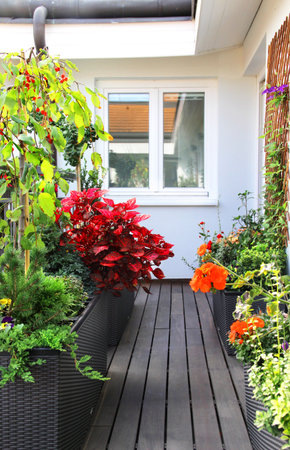
Urban living in the UK often means making do with limited outdoor space, especially for those residing in flats or terraced homes. However, the growing interest in sustainable living and fresh ingredients has led many city dwellers to explore balcony and rooftop herb gardening using containers. This approach not only makes efficient use of compact spaces but also brings a slice of nature into the heart of bustling cities. The appeal lies in both the practicality and pleasure of cultivating your own herbs – imagine stepping outside to snip fresh basil or mint for your evening meal, all without leaving your home. Container gardening is an accessible way for beginners and seasoned gardeners alike to overcome spatial constraints, making it possible to nurture a thriving mini-garden even several storeys above street level. In urban UK settings, where private gardens are at a premium, balconies and rooftops provide an invaluable opportunity to reconnect with growing food, encourage biodiversity, and enjoy the therapeutic benefits of tending plants. By focusing on smart use of containers and vertical spaces, anyone can transform a small outdoor area into a productive and visually pleasing herb haven.
2. Selecting Herbs Suited to the UK Climate
When it comes to balcony and rooftop herb gardening in the UK, choosing the right herbs is essential for a successful harvest. The British climate, known for its unpredictable mix of rain, cool temperatures, and occasional sunny spells, demands herbs that are both hardy and flavourful. Whether you are opting for native favourites or testing out popular imports, understanding which varieties thrive locally will save effort and disappointment.
Native vs. Imported Herbs: What Works Best?
Native UK herbs generally cope well with the local climate—think robust perennials like mint, chives, and thyme that return year after year with minimal fuss. However, many imported herbs such as basil and coriander can also do well if given the right care and a sheltered spot. Below is a quick guide comparing some popular choices:
| Herb | Native/Imported | Hardiness | Flavour Profile | Container Suitability |
|---|---|---|---|---|
| Mint | Native | Very Hardy | Crisp, Cooling | Excellent (spreads easily) |
| Thyme | Native | Hardy | Earthy, Aromatic | Excellent (compact growth) |
| Basil | Imported | Tender (requires warmth) | Sweet, Peppery | Good (needs sun & shelter) |
| Coriander | Imported | Moderate (bolts in heat) | Citrusy, Fresh | Good (quick growing) |
| Sage | Native/Traditional | Hardy | Pungent, Savoury | Excellent (drought-tolerant) |
| Parsley | Imported (naturalised) | Tolerates cold well | Mild, Slightly Bitter | Excellent (biennial) |
| Lemon Balm | Native/Traditional | Very Hardy | Lemony, Refreshing | Excellent (vigorous growth) |
Tips for Selecting Herbs for Containers in UK Conditions:
- Select hardy perennials: These survive winter and regrow each spring—ideal for low-maintenance urban gardening.
- Shelter tender herbs: Place containers against a south-facing wall or use cloches to protect more delicate varieties from wind and frost.
- Diversity is key: Mix native stalwarts with a few imports; experiment to find what thrives on your particular balcony or rooftop.
A Practical Note on Microclimates:
Your specific location matters—a London rooftop may be milder than a northern balcony. Observe sunlight patterns and exposure to wind before settling on your final selection of herbs.
3. Choosing Containers and Soil for Urban Gardens
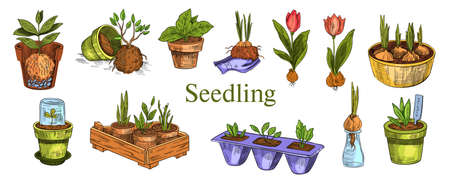
When it comes to balcony and rooftop herb gardening in containers, selecting the right pots and compost is key to success. With limited space, every inch counts, so it’s worth thinking creatively as well as practically.
Practical Container Options
Start by assessing your available space—balconies and rooftops often have weight restrictions, so opt for lightweight containers such as plastic or fibreglass pots. Traditional terracotta looks lovely but can be heavy when filled with soil and water. Window boxes, troughs, and hanging baskets are excellent for squeezing more herbs into a tight spot. For a sustainable twist, consider upcycling: old wooden crates, metal buckets (with drainage holes), or even repurposed food tins can become unique homes for your herbs.
Size Matters
Herbs thrive best in containers at least 20cm deep. Larger pots are less likely to dry out quickly—a crucial point on sunny rooftops or balconies exposed to the wind. Grouping smaller pots together can also help retain moisture and create an attractive display.
The Right Compost Mix
Choosing compost is just as important as choosing containers. Herbs generally prefer free-draining soil. A good quality multipurpose compost mixed with about a third of horticultural grit or perlite works well for most culinary herbs like thyme, rosemary, and oregano. If you’re growing basil or parsley, which enjoy richer soil, add a bit of well-rotted manure or a peat-free organic compost to the mix.
Drainage Tips
Make sure all containers have adequate drainage holes; sitting water can quickly rot roots, especially in the unpredictable British weather. Adding a layer of gravel or broken pottery at the base of your pots helps prevent clogging and keeps roots healthy.
By choosing suitable containers and the right soil mix, you set your urban herb garden up for thriving growth—even in the smallest of spaces.
4. Maximising Vertical and Horizontal Space
Space is often at a premium on British balconies and rooftop terraces, but there are practical and creative ways to squeeze every last inch out of your gardening area. By combining vertical and horizontal strategies, you can cultivate a surprisingly productive herb garden in even the smallest of outdoor spaces.
Trellises for Climbing Herbs
Installing trellises against railings or walls allows you to grow climbing herbs like sweet peas or nasturtiums vertically. These not only add greenery but can also act as natural privacy screens—an advantage in overlooked urban settings. Choose weather-resistant materials such as treated wood or metal, and anchor them securely to withstand the famously unpredictable British weather.
Shelves and Staging
Multi-tiered shelving units or plant staging are excellent for making use of vertical space while keeping pots off precious floor area. Place smaller containers on the upper shelves and reserve lower levels for larger planters. Consider using classic wooden staging painted in heritage shades, which fits seamlessly into traditional British aesthetics while offering ample space for thyme, chives, or parsley.
Window Boxes and Rail Planters
Window boxes are a staple of British terrace gardening. Mounted directly onto balcony railings or window ledges, they provide additional growing space without encroaching on walking areas. Mix trailing herbs like oregano or creeping rosemary with upright varieties for both visual interest and practicality.
Vertical Planters: Modern Solutions
Modern vertical planters—such as pocket panels or stacked pots—offer high-density planting options perfect for contemporary balconies. These systems keep herbs within easy reach while making a stylish statement. When choosing containers, ensure adequate drainage to cope with sudden downpours common in UK summers.
Comparison Table: Space-Saving Strategies
| Strategy | Main Benefit | Suitable Herbs |
|---|---|---|
| Trellis | Uses wall space; adds privacy | Nasturtiums, climbing peas |
| Shelves/Staging | Multiple layers; easy access | Thyme, chives, basil |
| Window Boxes | No floor space needed | Parsley, coriander, mint |
| Vertical Planters | High density planting | Oregano, rosemary, sage |
Key Tips for Success
- Ensure all structures are well-secured against wind gusts common on rooftops.
- Select lightweight composts to reduce load on balconies.
- Group plants by water needs to simplify maintenance in container setups.
By layering these approaches, gardeners can create abundant herb displays that reflect both ingenuity and the charm of British urban gardening traditions.
5. Caring for Herbs: Tips for Watering, Feeding, and Pest Control
Understanding the UK Climate: The Basics
Balcony and rooftop herb gardens in Britain come with their own unique set of challenges. The combination of unpredictable rainfall, cool summers, and occasional heatwaves means that container-grown herbs need attentive care. Unlike ground-planted herbs, containers dry out faster and are more exposed to temperature fluctuations. Knowing how to adapt your care routine to these local conditions is key to a thriving urban herb garden.
Watering Wisely: Avoiding Soggy Roots and Drought Stress
Herbs dislike extremes—too much water can rot roots, while too little leads to wilting and poor flavour. In the UK, check moisture by feeling the top inch of compost; water only when it feels dry. Early morning is best, allowing leaves to dry out during the day and reducing fungal problems. Use watering cans with a rose attachment for gentle distribution, especially after long dry spells or windy days on exposed rooftops. Consider grouping pots together to create a mini microclimate that retains humidity and reduces evaporation.
Feeding Your Herbs: Simple Nutrition for Lush Growth
Potted herbs quickly exhaust nutrients in limited compost. Feed every 4-6 weeks with a balanced liquid feed, such as seaweed extract—widely available in UK garden centres. Soft herbs like basil or parsley benefit from regular feeding, but woody perennials (rosemary, thyme) prefer leaner soils; overfeeding can make them leggy and reduce essential oils. If you’re reusing compost each year, top up with fresh multi-purpose compost or well-rotted manure in early spring.
Pest Control: Urban Wildlife Solutions
City wildlife—like pigeons, slugs, and aphids—can be persistent visitors on balconies and rooftops. To deter pigeons, use netting or old CDs strung up as scare devices. For slugs and snails (still common at height), copper tape around pots is a reliable deterrent. Aphids can be dealt with by gently washing them off with a hose or introducing natural predators such as ladybirds if you spot an infestation. Avoid chemical pesticides; instead, try homemade garlic or chilli sprays if needed.
Local Tricks from British Gardeners
A popular tip is to mulch the surface of containers with gravel or horticultural grit—this keeps moisture in and deters slugs. In windy locations, cluster pots close to walls for shelter and consider windbreaks made from bamboo screening or old trellis panels. Finally, remember that some herbs (like mint) actually benefit from being slightly pot-bound—so don’t rush to repot every season unless growth slows noticeably.
A Routine That Works Year-Round
With careful observation and these locally tested routines, your balcony or rooftop herb garden will flourish despite the quirks of British weather and city living. Consistency—checking plants regularly and adapting as needed—is more important than perfection, ensuring your kitchen always has fresh flavours on hand.
6. Harvesting and Using Your Homegrown Herbs
Knowing the Right Time to Pick
Getting the timing right is crucial for enjoying the full flavour of your homegrown herbs. For most leafy herbs such as basil, mint, and parsley, it’s best to harvest in the morning after any dew has evaporated but before the sun gets too strong. This is when their essential oils are at their peak, resulting in richer aroma and taste. Woody herbs like rosemary, thyme, and sage can be picked throughout the season, but harvesting just before they flower often yields the most potent leaves.
How to Harvest Without Harming Your Plants
Use sharp scissors or secateurs to snip off sprigs just above a leaf node or pair of leaves. This encourages bushier growth and prevents the plant from becoming leggy. Avoid stripping more than a third of the plant at once; a gentle approach ensures your herb garden continues thriving throughout the season.
Incorporating Fresh Herbs into Classic British Dishes
Your balcony-grown herbs can elevate classic British fare. Add chopped chives or parsley to buttery new potatoes for a fresh twist on a traditional side. Mint is indispensable for making sauce to accompany roast lamb, while thyme and rosemary lend depth to a hearty cottage pie or Sunday roast chicken. Toss fresh basil into a summer salad or garnish homemade soups with coriander for an extra burst of flavour.
Herbs in Drinks: From Teatime to Cocktails
Beyond food, homegrown herbs shine in drinks. Infuse mint into a cooling jug of Pimm’s for those balmy afternoons or steep lemon balm with hot water for a calming herbal tea. Rosemary sprigs make fragrant stirrers for gin and tonics, adding an aromatic touch that feels distinctly British.
Preserving Your Surplus
If your containers produce more than you can use fresh, consider drying bunches of hardy herbs like thyme and oregano by hanging them upside down in a well-ventilated space. Alternatively, chop soft herbs and freeze them in ice cube trays with a splash of water or olive oil—ideal for popping straight into stews during colder months.
Harvesting your own herbs from a modest balcony or rooftop container garden is deeply rewarding and brings unmistakable freshness to everyday meals and drinks—a true taste of homegrown Britain.