Why Gardening with Children Matters
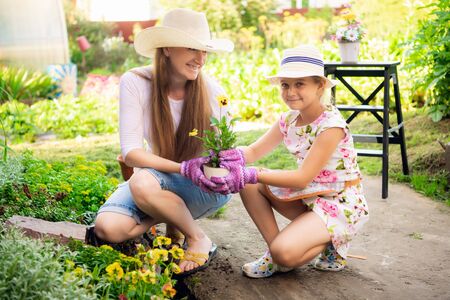
Introducing children to gardening offers far more than just a fun outdoor activity; it provides a meaningful way for families in the UK to connect, learn, and grow together. By involving youngsters in cultivating vegetables, parents can nurture a sense of curiosity about the natural world right at home. When children witness seeds transforming into edible crops, they gain firsthand insight into the life cycle of plants, sparking questions and encouraging exploration. This hands-on experience fosters responsibility as kids take on tasks such as sowing seeds, watering, and caring for young plants. These small but important jobs help them develop patience and perseverance—skills that are valuable both in and out of the garden. Moreover, gardening can be an excellent springboard for healthy eating habits. Children who have helped to grow their own carrots or peas are often much more willing to taste and enjoy fresh produce. For many British families seeking ways to spend quality time together while instilling lifelong skills and values, gardening offers a natural solution. As you embark on this journey with your family, creating a simple vegetable calendar can make planning and participation even easier, ensuring everyone knows what to expect each season.
Choosing the Right Veg for British Gardens
When it comes to gardening with kids in the UK, selecting the right vegetables is crucial for a successful and enjoyable experience. The British climate, with its mild summers and cool, damp springs and autumns, means some vegetables thrive better than others. For family gardeners, especially those with little ones, it’s best to focus on varieties that are both easy to grow and fun to harvest. Below is a handy guide to some child-friendly veg that do well in most British gardens.
Top Easy-to-Grow Veggies for UK Family Gardens
| Vegetable | Why Kids Love It | Best Sowing Time | Harvest Period |
|---|---|---|---|
| Carrots | Fun shapes and sweet taste | March – June | June – October |
| Peas | Easy to pick and eat straight from the pod | March – May | June – August |
| Radishes | Quick results, mild flavour when young | March – August | April – October |
| Runner Beans | Tall plants, colourful flowers, and long pods | April – June | July – October |
| Potatoes | Exciting to dig up and discover | March – April | June – September |
| Lettuce | Quick to grow, can pick leaves as needed | March – July | May – October |
| Pumpkins | Great for autumn crafts and Halloween | April – May | September – October |
Tips for Choosing Kid-Friendly Vegetables
- Pick fast growers: Children love to see quick results. Radishes and lettuce are perfect for impatient little gardeners.
- Go for easy harvesting: Peas, beans, and potatoes offer a satisfying harvesting experience that feels like a treasure hunt.
- Add a splash of colour: Rainbow carrots, red lettuce, or purple beans can make the garden more engaging for kids.
- Think about taste: Choose varieties with mild or sweet flavours that appeal to young palates.
Local Favourites and Heritage Varieties
If you want to add a British touch, look for heritage varieties such as Charlotte potatoes or Kelvedon Wonder peas. Many local garden centres stock seeds suited to the regional climate, so don’t hesitate to ask for advice. Including a mix of familiar veg and something a bit different can spark curiosity in children and help build a lifelong love of gardening.
3. Planning the Family Garden Space
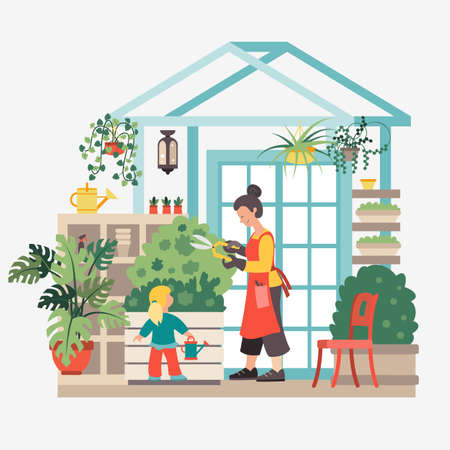
Creating a family garden that encourages children to get their hands dirty is both rewarding and practical. When planning your garden space, it’s important to consider safety, accessibility, and ways to spark curiosity in young gardeners. Here are some tips to help you design a garden area that’s perfect for little ones and adults alike.
Prioritise Safety First
Start by choosing a spot that’s visible from the house so you can easily supervise the children. Avoid areas near ponds or thorny bushes, and make sure tools and fertilisers are stored safely out of reach. Raised beds with smooth edges can reduce trip hazards, while pathways made from bark chippings or stepping stones help keep muddy shoes at bay and define boundaries clearly.
Make It Accessible for All Ages
Think about the heights of your planting beds—raised beds or container gardens are ideal for small children as they don’t need to bend over too much. Leave enough space between beds for wheelbarrows, prams, or even wheelchair access if necessary. Lightweight, child-sized tools are worth investing in; they’re easier for little hands to manage and encourage independence.
Create an Engaging Environment
Children love to explore, so plan a mix of sensory plants like mint, lavender, or lamb’s ear alongside vegetables. Include a small digging patch where kids can play freely without worrying about damaging delicate seedlings. Mark each child’s section with their name or colourful signs to instil a sense of ownership and pride in their efforts.
Encourage Participation Through Play
Add elements such as bug hotels, bird feeders, or wind chimes to attract wildlife and stimulate interest in nature. Simple features like painted stones or miniature scarecrows make the space fun and visually appealing. Involve children in daily tasks—from sowing seeds to watering—and let them track progress on a shared calendar pinned up in a dry spot nearby.
Keep It Manageable
Finally, start small. Choose a few easy-to-grow vegetables—like peas, radishes, or runner beans—that offer quick results and success. Regularly review your gardening plans together and adapt as needed based on what works well for your family. By designing your garden space thoughtfully, you’ll nurture not just plants but lasting memories and valuable life skills.
4. Month-by-Month Vegetable Calendar
One of the best ways to keep young gardeners engaged and organised is by following a straightforward, kid-friendly vegetable calendar. Below, you’ll find a simple guide for sowing, planting out, and harvesting some of the most popular vegetables in UK family gardens. This calendar is designed to help children understand the seasonal rhythms of gardening, making it both fun and educational.
Vegetable Growing Calendar Table
| Month | Sow Indoors | Sow Outdoors | Plant Out | Harvest |
|---|---|---|---|---|
| March | Tomatoes, Peppers, Courgettes | Carrots, Lettuce, Peas | – | Overwintered Spinach |
| April | Cucumbers, Pumpkins, Sweetcorn | Radish, Beetroot, Spring Onions | Lettuce, Brassicas* | Radish, Spring Greens |
| May | – | French Beans, Runner Beans, Courgettes | Tomatoes, Courgettes, Pumpkins | Lettuce, Early Potatoes (late May) |
| June | – | Swede, Turnip, Beetroot (succession) | Cucumbers (outdoors), Sweetcorn | Peas, Broad Beans |
| July | – | Kale, Pak Choi (for autumn) | – | New Potatoes, Carrots (early) |
| August | – | Spinach (for overwintering), Radish (final sowings) | – | Courgettes, French Beans, Tomatoes (greenhouse) |
| September – October | – | – | – | Pumpkins, Squash, Maincrop Potatoes, Sweetcorn (early Sept), Beetroot (late Sept/Oct) |
*Brassicas include cabbage, broccoli and cauliflower.
Tips for Using the Calendar with Kids:
- Colour-code or sticker-mark each month’s tasks on your wall calendar or planner to make it visually engaging for children.
- Let kids tick off completed jobs – this helps them feel involved and proud of their progress.
- If you miss a sowing window, don’t worry! Many vegetables can be sown in succession or tried again next season.
This month-by-month approach not only keeps gardening manageable for families but also helps children learn patience as they wait for seeds to grow and crops to ripen. Happy gardening!
5. Fun and Educational Garden Activities
Keeping children engaged in the garden throughout the changing British seasons calls for a good mix of hands-on activities that both educate and entertain. By involving your young gardeners in practical tasks, you’ll help them build confidence, develop skills, and foster a real connection with nature.
Seed Sowing: The Start of the Journey
Early spring is a brilliant time to introduce kids to seed sowing. Choose quick-germinating vegetables like radishes or cress so they can see results without too much waiting. Let children fill trays with compost, sprinkle seeds, and gently water them. Marking plant labels together is also a great literacy activity, as they practise writing out vegetable names.
Watering Routines: Building Responsibility
Assign each child a small watering can and encourage them to check soil moisture before watering—this teaches observation and restraint, especially important during unpredictable UK weather. Create a family rota on your vegetable calendar so everyone has their turn and learns about the needs of different plants.
Wildlife Observation: Connecting with Nature
The garden is full of life beyond just veggies. Encourage children to spot ladybirds, bees, and birds as they work outside. You might even keep a simple wildlife diary alongside your vegetable calendar, noting which creatures visit at different times of year. Setting up a bug hotel or leaving an area wild invites more visitors and sparks curiosity about local biodiversity.
Seasonal Projects
Autumn is perfect for collecting fallen leaves to make leaf mulch or for pressing. In winter, try making bird feeders from recycled materials; this helps birds survive colder months and gives kids a sense of purpose when outdoor gardening tasks slow down. These projects make each season special and reinforce lessons about cycles in nature.
By weaving these activities into your family’s gardening routine, you’ll ensure that every member—regardless of age—remains interested and learns something new all year round.
6. Harvesting, Cooking, and Sharing
Harvesting vegetables with children is a highlight of family gardening and an excellent opportunity for hands-on learning. Let your children decide when to pick the produce—show them how to check if beans are plump or tomatoes are fully red. Give them small baskets or trugs, and turn the harvest into a treasure hunt. Encourage curiosity by letting kids taste peas or cherry tomatoes straight from the plant under supervision.
Simple Recipes to Try Together
Once you’ve gathered your garden bounty, invite your children into the kitchen. Keep things simple and focus on British classics that celebrate fresh veg. For instance, make a basic vegetable soup using carrots, potatoes, and leeks—let the kids scrub the veg and help with stirring. Or try homemade potato wedges roasted with a sprinkle of rosemary from the garden. Another favourite is a classic cucumber sandwich—perfect for afternoon tea on the patio.
Making Memories Around Food
Cooking together is about more than just the food; it’s a chance for conversation and learning. Talk about where each ingredient came from and let your children have a say in how dishes are seasoned or served. Even the youngest can help set the table or wash up afterwards.
Sharing Your Garden Bounty
One of the joys of gardening is sharing what you’ve grown. Encourage your children to gift a bunch of herbs, a bag of runner beans, or a punnet of strawberries to neighbours or friends. You might even organise a little swap with others on your street—courgettes for rhubarb, perhaps! This simple act helps build community spirit and teaches children about generosity. Whether you’re harvesting, cooking, or sharing, involving your children at every stage makes gardening a meaningful family tradition that’s rooted in British values of community and connection.