Introduction to Allotment Culture in the UK
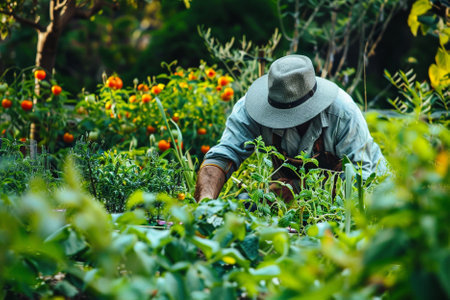
Allotment keeping holds a unique and cherished place within British society, reflecting a rich tapestry of historical, cultural, and social significance. Originating in the nineteenth century as a response to rapid urbanisation and food insecurity, allotments have long served as communal spaces where individuals and families can cultivate their own produce while fostering a spirit of cooperation and resilience. Over the decades, these plots have evolved from purely practical provisions for sustenance into vibrant hubs of community engagement and environmental stewardship.
In recent years, the conversation around allotment gardening has increasingly focused on sustainability and organic practices. As awareness of environmental challenges grows, modern allotment keepers are embracing innovative methods that prioritise soil health, biodiversity, and resource efficiency. The integration of sustainable crop rotation—an age-old practice adapted for contemporary needs—exemplifies this shift, ensuring that these much-loved green spaces continue to thrive for future generations. The evolving role of sustainability within allotment culture not only safeguards local ecosystems but also reinforces the enduring value of community-led solutions to global issues.
Principles of Sustainable and Organic Crop Rotation
At the heart of successful allotment management lies the thoughtful application of crop rotation, particularly when sustainability and organic practices are priorities. Modern British allotment keepers increasingly recognise that crop rotation is not only about maximising yields but also about nurturing soil health and reducing environmental impact. This approach goes beyond traditional methods by integrating organic principles to foster long-term productivity, resilience, and ecological balance.
Understanding Crop Rotation
Crop rotation involves systematically changing the type of crops grown in a particular area across different seasons or years. This practice disrupts pest and disease cycles, reduces dependency on chemical inputs, and helps maintain soil fertility. For the modern allotment keeper, an effective crop rotation plan considers both the botanical families of crops and their specific nutritional demands.
Core Organic Principles in Crop Rotation
| Principle | Description | Benefit for Allotment Keepers |
|---|---|---|
| Diversification | Rotating a variety of plant families to prevent monocultures. | Reduces pest pressure and disease build-up. |
| Soil Fertility Management | Incorporating legumes and green manures to naturally fix nitrogen. | Enhances nutrient availability without synthetic fertilisers. |
| Organic Matter Enrichment | Regularly adding compost and organic mulch during rotations. | Improves soil structure and microbial activity. |
| Pest & Disease Suppression | Avoiding repeated planting of susceptible crops in the same bed. | Lowers reliance on chemical pesticides. |
| Sustainable Input Use | Minimising external inputs by harnessing natural cycles. | Cuts costs and supports ecological harmony. |
The Role of Soil Health in Sustainable Rotations
The backbone of any productive allotment is healthy soil. Organic crop rotation strategies place strong emphasis on building soil vitality through the continuous addition of organic matter, fostering beneficial microorganisms, and maintaining balanced pH levels. By doing so, allotment holders create a resilient environment where crops can thrive season after season with minimal intervention. This not only benefits individual plots but contributes positively to local biodiversity and community green spaces.
3. Designing a Crop Rotation Plan for your Allotment
Developing a successful crop rotation plan for your allotment is both an art and a science, particularly when considering the UK’s temperate climate and the varied sizes of typical plots. The process begins by assessing the dimensions and orientation of your plot—most UK allotments are between 100 to 250 square metres, so flexibility and efficiency are key. Start with mapping your space, dividing it into at least four distinct sections. This four-bed system aligns well with both traditional British allotment practice and modern organic principles.
Assessing Your Growing Conditions
Take note of factors such as sunlight exposure, prevailing winds, and drainage patterns across your plot. These environmental variables will influence which crops thrive in each section. For example, leafy greens may prefer slightly shadier spots, while root crops benefit from deeper, well-drained soils. Use local knowledge or consult fellow plot holders for insights into microclimates that could affect your plan.
Grouping Crops Effectively
To design a robust rotation schedule, group crops according to their botanical families and nutrient requirements. In a typical UK setting, this often means rotating between legumes (peas, beans), brassicas (cabbages, broccoli), roots (carrots, parsnips), and solanaceous crops (potatoes, tomatoes). This approach not only disrupts pest and disease cycles but also ensures efficient use of soil nutrients across seasons.
Creating a Yearly Schedule
Draft a simple chart or table mapping out which family goes where each year. For instance, in Year 1: Section A might host potatoes, Section B brassicas, Section C roots, and Section D legumes; in Year 2, rotate each group forward one section. Factor in green manure or cover crops during fallow periods to further boost soil health—a practice gaining traction among UK allotmenteers seeking sustainable yields.
Finally, remember to record observations and adapt your plan annually based on crop performance and any emerging pest or soil issues. An effective crop rotation plan is dynamic—tailored not just to general principles but also to the unique quirks of your particular patch of British soil.
4. Selecting Suitable Crops and Varieties
Choosing the right crops and resilient varieties is fundamental to sustainable and organic crop rotation, especially for UK allotment keepers who contend with variable weather, limited space, and evolving pest pressures. To maximise yields while safeguarding soil health and biodiversity, it is essential to opt for crops that are both well-suited to local conditions and contribute positively to your rotation system.
Understanding UK Climate and Soil Conditions
The UKs temperate maritime climate means that some crops will thrive more readily than others. It’s prudent to select varieties that are tolerant of cool temperatures, high rainfall, and occasional late frosts. Consider your specific soil type—whether heavy clay, sandy loam, or chalky—and choose crops accordingly for optimal organic success.
Prioritising Heritage Breeds for Resilience
Heritage or traditional vegetable breeds often offer greater resilience to pests and diseases compared to modern hybrids. These varieties have been cultivated over generations in British conditions, making them ideal for organic growers seeking robust plants without chemical intervention. Growing heritage breeds also helps preserve genetic diversity within the food system.
| Crop Type | Recommended Heritage Varieties | Key Benefits |
|---|---|---|
| Potatoes | Charlotte, Pink Fir Apple | Disease resistance, unique flavours |
| Carrots | Autumn King, Chantenay Red Cored | Cold tolerance, strong growth in UK soils |
| Kale | Cottagers Kale, Hungry Gap | Winter hardiness, long cropping period |
Seasonal Planting for Organic Success
Embracing seasonal planting not only aligns with organic principles but also maximises productivity by taking advantage of natural climatic cycles. Early spring is best for hardy greens and root crops; mid-summer suits heat-loving vegetables like courgettes; while autumn can be used to sow overwintering onions or broad beans. Succession planting extends harvests and reduces pest build-up.
Sample Seasonal Crop Planning Table
| Season | Main Crops | Sowing/Planting Guidance |
|---|---|---|
| Spring (March-May) | Peas, lettuce, beetroot | Sow direct once soil warms; use cloches if needed |
| Summer (June-August) | Courgette, French beans, sweetcorn | Transplant after last frost; water regularly during dry spells |
| Autumn (September-November) | Kale, overwintering onions, garlic | Sow/plant outdoors before cold sets in; mulch for protection |
Tips for Variety Selection
- Select disease-resistant varieties where possible to reduce reliance on interventions.
- Mix different cultivars of the same crop to buffer against unpredictable weather or pest outbreaks.
- Source seeds from reputable UK suppliers committed to organic production standards.
This considered approach to crop selection and seasonal planning forms the backbone of a thriving organic allotment in the UK context, supporting both productive harvests and long-term sustainability.
5. Soil Improvement and Organic Inputs
For the modern allotment keeper committed to sustainable and organic crop rotation, the foundation of long-term productivity lies in nurturing healthy, resilient soils. Prioritising soil improvement not only boosts fertility but also plays a critical role in carbon reduction—a key objective for environmentally conscious growers across the UK.
Green Manures: Nature’s Soil Builders
One of the most effective techniques is the use of green manures, or cover crops, which are sown specifically to be incorporated back into the soil. Species such as clover, vetch, and field beans thrive in British conditions and offer multiple benefits: fixing atmospheric nitrogen, suppressing weeds, improving soil structure, and increasing organic matter content. When dug in before flowering, these plants decompose rapidly, enriching the earth without resorting to synthetic fertilisers.
Composting: Closing the Nutrient Loop
Composting kitchen scraps, garden waste, and even spent crops is a time-honoured practice among UK allotment holders. Well-managed compost heaps convert organic material into humus-rich matter teeming with beneficial microbes. This process not only recycles nutrients but also reduces landfill waste and greenhouse gas emissions. To ensure a balanced compost, layer green (nitrogen-rich) and brown (carbon-rich) materials, turning regularly to aerate and accelerate decomposition.
Mulching: Moisture Retention and Weed Control
Applying organic mulches—such as straw, leaf mould, or wood chips—is another cornerstone of responsible allotment management. Mulching helps conserve moisture during unpredictable British summers, moderates soil temperature, and suppresses weed growth without chemical intervention. Over time, mulch breaks down to further enhance soil structure and fertility while encouraging earthworm activity.
Integrating Organic Inputs with Crop Rotation
By strategically incorporating green manures, composting routines, and mulching within your rotation plan, you maintain a thriving microbial ecosystem while steadily building up soil carbon stocks. These practices ensure each crop family receives tailored nutrition and protection from pests and diseases—hallmarks of an effective organic system.
A Commitment to Regenerative Allotment Practice
Ultimately, prioritising organic inputs alongside a thoughtful crop rotation schedule marks a shift towards regenerative growing—a philosophy well-aligned with both traditional British allotment culture and modern sustainability goals. The result is not just healthier crops but an allotment plot that actively contributes to climate resilience and ecological wellbeing.
6. Pest, Disease, and Weed Management
Effective pest, disease, and weed management is integral to maintaining a healthy and productive allotment, especially within a sustainable and organic crop rotation system. Modern UK allotment keepers face an array of common challenges, including aphids, slugs, clubroot, blight, couch grass, and bindweed. However, through preventative measures and organic solutions tailored to the British climate and soil conditions, these issues can be managed without resorting to synthetic chemicals.
Preventative Measures
The foundation of organic pest and disease control is prevention. Implementing a well-structured crop rotation plan disrupts the lifecycle of many pests and diseases by ensuring their preferred host plants are not grown in the same location year after year. This practice reduces build-up of soil-borne pathogens such as potato cyst nematodes or clubroot. Enhancing biodiversity by interplanting with companion flowers—such as marigolds or nasturtiums—can attract beneficial insects like ladybirds and hoverflies that naturally reduce aphid populations. Maintaining healthy soil through regular additions of well-rotted manure or compost also supports robust plant growth, making crops less susceptible to attack.
Organic Solutions for Common Pests
For persistent pests such as slugs and snails, non-toxic barriers like crushed eggshells or copper tape around raised beds are effective deterrents. Beer traps can be strategically placed to catch slugs overnight. For aphids and whitefly, regular inspection and removal by hand can be supplemented with soft soap sprays or applications of neem oil—both approved for organic use in the UK. Encouraging natural predators by installing insect hotels or small wildlife ponds further boosts biological control on the plot.
Disease Management Strategies
Disease pressure is minimised by adhering strictly to crop rotation principles: avoid planting members of the same family (e.g., brassicas) in consecutive seasons on the same bed. Select resistant varieties whenever possible, particularly for potatoes (blight-resistant types) and brassicas (clubroot-resistant strains). Water at the base of plants to limit fungal diseases like powdery mildew, and promptly remove any infected plant material from the site to prevent spread.
Weed Suppression Techniques
Weeds compete for nutrients and light, but their impact can be greatly reduced through mulching with organic materials such as straw or wood chips, which also conserve moisture and improve soil structure over time. Regular hoeing between rows disturbs weed seedlings before they become established. Where perennial weeds like bindweed or couch grass are problematic, careful digging out of roots is preferable to chemical controls; persistent effort over several seasons will gradually diminish their presence.
Summary
By integrating these preventative measures and organic solutions into a thoughtful crop rotation system, modern allotment keepers across the UK can maintain thriving plots while upholding both environmental stewardship and local traditions of sustainable gardening.
7. Community Engagement and Shared Best Practice
One of the defining strengths of allotment culture in the UK is its emphasis on community engagement and collective growth. Adopting sustainable and organic crop rotation practices need not be a solitary endeavour. By actively sharing knowledge, resources, and practical experience, allotment keepers can create a more resilient and thriving environment for everyone involved.
The Value of Knowledge-Sharing
Allotment sites across the UK are rich with generational wisdom and innovative ideas. Organised workshops, informal chats at the communal shed, or participation in local gardening societies all present opportunities to exchange best practices. When seasoned gardeners share their crop rotation strategies—such as effective sequences for brassicas or legumes—newcomers gain confidence and insight, reducing the learning curve and helping to avoid common pitfalls.
Pooling Communal Resources
Collaborative approaches extend beyond advice. Sharing physical resources such as compost bins, water butts, tools, and even seeds allows plot holders to access higher-quality materials while minimising individual costs. This not only fosters camaraderie but also supports more sustainable growing methods, as bulk purchasing or shared equipment reduces waste and environmental impact.
Strengthening Cooperative Approaches
Working together on larger projects—be it creating pollinator-friendly borders or managing shared green waste areas—can enhance biodiversity and soil health across the whole site. Cooperative crop planning enables neighbouring plots to coordinate rotations, preventing pest build-up and nutrient depletion over a broader area. Furthermore, group initiatives such as seed swaps, open days, and community harvests help reinforce a sense of belonging and shared purpose.
Ultimately, community engagement is integral to fostering a sustainable allotment culture that benefits everyone. By embracing collective action and best practice sharing, modern UK allotment keepers can ensure their sites remain productive, environmentally sound, and welcoming for generations to come.