Understanding Rainwater: A Curious Introduction
Have you ever wondered what happens to raindrops after they tumble from grey British clouds and land softly on your garden? Rainwater, a marvel of nature, begins its journey high up in the atmosphere. As it falls, it gathers tiny particles and gases before finally settling onto rooftops, lawns, and flower beds across the UK. For generations, British gardens have relied on this fresh, natural water source for nourishment. Unlike tap water, which may contain added chemicals like chlorine or fluoride, rainwater is pure and gentle—just what delicate plants crave. By understanding how rainwater travels from sky to soil, we can better appreciate its role in supporting thriving gardens and lush green spaces throughout our neighbourhoods. This simple cycle connects us with nature’s rhythms and invites families to explore together how every drop helps their favourite plants grow strong and healthy.
2. The Science Behind Rainwater Composition
When we look up at the classic British sky, with its ever-present promise of rain, have you ever wondered what makes each drop so special? Rainwater is much more than just H2O falling from the clouds. It carries with it a fascinating blend of minerals and elements, all shaped by our local environment. Let’s explore why no two drizzles are ever quite the same, and how this magical mix affects your garden’s greenery.
The Unique British Blend
British rainwater is influenced by everything from coastal breezes to urban emissions. As raindrops travel through the atmosphere, they absorb gases and collect microscopic particles. This gives rainwater a signature “recipe” that can vary between a Cornish sea breeze and a London shower. Here’s a handy table showing some common components you might find in our rainwater:
| Element or Compound | Typical Source | Possible Impact on Plants |
|---|---|---|
| Calcium (Ca2+) | Limestone, soil dust | Strengthens cell walls; supports growth |
| Nitrogen (as NO3–) | Atmospheric pollution, fertilisers | Boosts leafy growth; excess may cause weak stems |
| Sulphates (SO42-) | Industrial emissions, volcanoes (rare) | Aids protein formation; too much can acidify soil |
| Sodium (Na+) & Chloride (Cl–) | Sea spray, coastal winds | Small amounts helpful; high levels harm sensitive plants |
| Pollen & Organic Matter | Trees, flowers, fields nearby | Adds nutrients and supports healthy soil life |
| Dissolved Carbon Dioxide (CO2) | Air absorption during rainfall | Lowers pH slightly; most plants tolerate well |
The Story in Every Drop: Local Variations Matter!
If you’ve ever noticed your hydrangeas looking perkier after a soft Scottish drizzle or your tomatoes thriving after a Midlands downpour, it’s thanks to these natural differences. Urban areas might see more nitrogen due to traffic pollution, while gardens near the coast could receive a salty sprinkle perfect for certain wildflowers but challenging for others.
A Family Experiment: Catching Your Own Rainwater Sample!
Why not set up a simple rain gauge with your children? Collect water after different showers—perhaps one on a windy day and another after a still night. Compare their taste (just for fun!), smell, or even try watering two identical plant pots with each sample. Notice any changes? It’s science in action—and proof that every British shower tells its own story.

3. Rainwater Quality: Local Challenges and Surprises
If you’ve ever watched your little one splash in a puddle or helped them collect rain in a jar for your garden, you’ll know that not all rainwater is created equal. Across the UK, from bustling city centres to tranquil countryside villages, the quality of rainwater can differ quite a bit—sometimes with surprising results for our cherished plants.
Urban vs Countryside Rainfall
Let’s imagine taking a walk through London after a summer shower, then heading out to the rolling hills of the Lake District. You might think rain is just rain, but what falls from the sky in each place can be quite different! In urban areas, raindrops pick up tiny particles from car exhausts, industry, and even building materials as they fall. This can introduce pollutants such as nitrogen oxides, sulphur compounds, and trace metals into the water. For families living in cities, this means rainwater collected for watering indoor plants might carry unwanted chemicals that could stress delicate seedlings or sensitive houseplants.
Now, picture yourself in the countryside where the air is fresher and there are fewer cars and factories. Here, rainwater tends to be cleaner and softer (meaning it has fewer dissolved minerals). However, even rural rainfall isn’t immune to challenges—winds can carry pollutants from distant sources, and agricultural areas may see higher levels of fertilisers or pesticides making their way into collected water. It’s a gentle reminder that even in seemingly untouched places, what comes down with the rain can affect how well our gardens grow.
Hidden Surprises in British Rainwater
Whether you’re collecting rain in Birmingham or Bristol, another local factor to consider is the presence of ‘acid rain’—a term you might have heard on nature walks or in school science lessons. Acid rain occurs when pollutants like sulphur dioxide mix with water droplets in clouds. While regulations have improved matters over recent decades, some areas still experience slightly acidic rainfall, which can alter soil pH and impact plant health.
A Family Adventure: Testing Your Own Rainwater
Why not turn this into a fun family experiment? Next time it rains, collect some water together and use a simple test kit (available at most garden centres) to check its pH and clarity. Compare your findings if you travel between town and country—your discoveries might surprise you! Understanding these local quirks helps us nurture our plants more thoughtfully and teaches children about the invisible science happening all around us every time it rains.
4. How Rainwater Affects Plants: Stories from the Garden
There’s something truly magical about watching raindrops dance on the garden—children and parents alike often marvel at how plants seem to perk up after a good British drizzle. But what’s happening beneath those glistening leaves? Let’s explore some real-life tales from our gardens, and discover both the blessings and challenges that rainwater brings to our cherished plants.
The Positive Magic of Rainwater
Rainwater is naturally soft and slightly acidic, which makes it ideal for most garden favourites across the UK, from foxgloves to runner beans. Unlike tap water, it’s free from added chemicals like chlorine and fluoride. Many gardeners notice their roses bloom brighter and strawberries taste sweeter after a rainy spell. Children can see first-hand how rainwater helps seedlings sprout with vigour, and lawns regain their lush green sheen.
Benefits of Rainwater on Plant Health
| Benefit | Explanation | UK Garden Example |
|---|---|---|
| Promotes Strong Growth | Nutrient-rich rain dissolves minerals in soil | Tomatoes grow taller and produce more fruit after wet weeks |
| Encourages Blooming | Slight acidity helps flowers take up nutrients | Hydrangeas display richer colours post-rainfall |
| Reduces Salt Build-up | No added salts compared to tap water | Potted herbs stay healthy without leaf burn |
| Cools Soil Naturally | Lowers temperature during heatwaves | Lettuce stays crisp even in midsummer sun |
The Not-So-Magical Side: When Rain Goes Rogue
Of course, too much of a good thing can spell trouble in the garden. Heavy or prolonged rainfall can lead to waterlogged soils, root rot, and unhappy plants. In low-lying parts of Britain, especially during persistent downpours, even hardy courgettes might suffer soggy roots. Fungal diseases like blight thrive in damp conditions—something many UK allotment holders learn during particularly wet summers.
Signs That Rain Has Overstayed Its Welcome:
- Yellowing leaves on beans or brassicas due to lack of oxygen around roots.
- Moss spreading across lawns where water pools.
- Black spots appearing on rose leaves after extended wet spells.
- Mushrooms popping up in mulched beds—a sure sign of excess moisture.
The key is balance—celebrating the nourishing gifts of rain while gently guiding children to observe when plants might need protection from too much of it. Together, families can experiment with homemade rain gauges, chat about weather patterns over cups of tea, and record how their favourite plants respond to each rainfall. Through these shared stories, we learn not only the science but also the seasonal rhythms that make British gardening so rewarding.
5. Analysing Rainwater in Your Back Garden
Turning your own back garden into a mini laboratory is a wonderful way to blend family fun with science learning. Observing and testing rainwater at home doesn’t require fancy equipment—just a curious mind and a few everyday items. Start by placing clean containers, like empty jam jars or washing-up bowls, outside when it rains. Make sure to position them away from overhanging trees or roofs to avoid extra debris sneaking in.
Simple Collection Techniques
Encourage your children to help choose the best spots for collecting rainwater—perhaps one near the greenhouse and another by the patio. Mark each container with the date and location using waterproof stickers or marker pens. This helps keep track of changes over time and sparks discussion about how environment affects water quality.
Observing with Curiosity
Once you’ve gathered enough water, take a close look together. Hold the jars up to the light and notice any colour differences or floating bits. Ask questions: Does it smell fresh? Can you spot any tiny creatures or bits of pollen? Use magnifying glasses for an extra sense of discovery—it’s amazing what can be seen when you look closely!
Testing Rainwater Quality at Home
You don’t need a chemistry set to begin basic testing. Litmus paper, available from most chemists, can be dipped into the water to check its pH—an indicator of how acidic or alkaline it is. Most plants in British gardens prefer slightly acidic rainwater, so compare your results with what’s best for your garden favourites. You can also try filtering some water through coffee filters and see what gets left behind—a simple experiment that reveals hidden particles.
Making Science Part of Everyday Family Life
By involving everyone in these activities, science becomes part of your daily routine rather than something reserved for schoolwork. Keep a “rain diary” to record findings, weather patterns, and plant responses after using collected rainwater. Not only does this build scientific skills, but it also fosters appreciation for nature’s cycles right at home in your British garden.
6. Nurturing Plants with Nature’s Water
There’s something truly magical about tending your garden or allotment with rainwater—a gift straight from the British sky. Our long-standing gardening traditions have always embraced this natural resource, not only for its purity but also for its gentle encouragement of robust plant growth. Here are some time-honoured tips and mindful practices, inspired by generations of British gardeners, to help you use rainwater wisely and nurture a thriving green space.
Harvesting Rainwater: The First Step
Begin by collecting rainwater using water butts or barrels placed under downpipes. Opt for containers with secure lids to keep out leaves and wildlife, echoing the tidy habits found in cottage gardens across the UK. Position your barrels in shaded areas to slow algae growth, and clean them regularly—a classic practice for maintaining water quality.
Applying Rainwater Thoughtfully
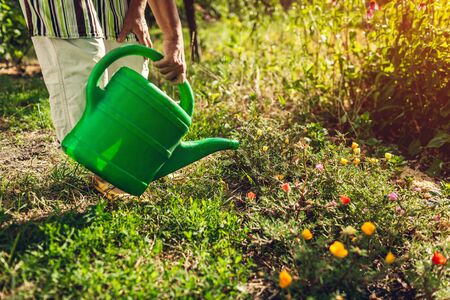
British weather is famously unpredictable, so make the most of dry spells by watering early in the morning or late in the evening to reduce evaporation. Use a watering can rather than a hosepipe whenever possible; this traditional approach ensures you deliver just enough moisture directly to the roots, minimising waste and promoting deep, healthy growth.
Pairing Plants and Rainwater
Many native British plants—like foxgloves, primroses, and ferns—thrive with soft rainwater. It’s especially beneficial for acid-loving species such as rhododendrons and camellias. Avoid using rainwater on seedlings during cold snaps, as it may be too chilly for tender roots; allow it to come up to ambient temperature indoors first.
Keeping Water Fresh
If you notice a musty smell or floating debris, give your barrel a good clean. Add a dash of fine mesh over openings to prevent insects from getting in—a simple yet effective trick passed down through allotment communities.
Cultivating Family Connections
Involve children in collecting and using rainwater. Let them help fill watering cans or design fun labels for each barrel—teaching them both science and stewardship. These small acts create cherished moments while nurturing respect for nature’s cycles.
By weaving together tradition and care, you’ll find that every drop of rainwater becomes more than just hydration—it’s an invitation to grow alongside your plants and family, rooted in the rich soil of British gardening wisdom.