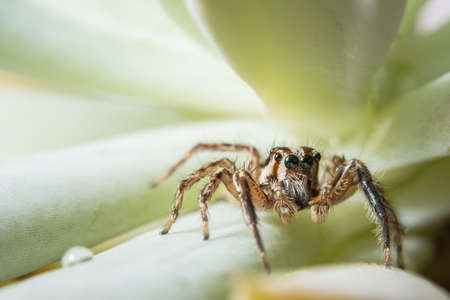
1. Introduction: The Threat of Spider Mites in UK Gardens
Spider mites, though minuscule in size, are a formidable foe for both amateur gardeners and professional horticulturists across the UK. These tiny arachnids thrive in the sheltered microclimates that our gardens so often provide—particularly during warm, dry spells typical of British summers. Their ability to reproduce rapidly makes them a significant concern for a broad spectrum of plants, from treasured ornamental blooms such as roses and fuchsias to vital edible crops including strawberries, tomatoes, and beans. Left unchecked, spider mite infestations can weaken plant health, reduce yields, and even cause the untimely demise of cherished specimens. Understanding why these pests pose such a persistent threat in our unique UK climate is crucial for anyone invested in maintaining healthy, vibrant gardens—whether you’re nurturing a patio container or managing an allotment plot.
2. Identifying Spider Mite Infestations: Signs and Symptoms
Early detection of spider mite infestations is crucial for protecting both ornamental and edible plants across UK gardens. These tiny arachnids are particularly insidious because their small size allows them to go unnoticed until significant damage has occurred. Below are the key indicators that signal spider mite activity, with particular reference to symptoms observable in common UK plant varieties.
Visual Indicators on Foliage
- Stippling or Speckling: One of the first signs is a fine pattern of yellow or pale dots on the upper surface of leaves, caused by mites feeding on plant sap.
- Leaf Discolouration: As infestation progresses, leaves may turn bronze, yellow, or even reddish-brown, especially noticeable in roses, beans, and strawberry plants.
- Fine Webbing: Delicate silk webs often appear between leaf joints or along stems, providing shelter for mites. This is particularly evident in houseplants such as spider plants and outdoor specimens like cucumbers and tomatoes.
Physical Changes and Growth Impacts
- Distorted New Growth: Young leaves may emerge curled or crumpled due to severe feeding.
- Leaf Drop: Heavily infested plants may shed leaves prematurely, affecting overall vigour and crop yield.
Common Spider Mite Symptoms Across Popular UK Plants
| Plant Type | Typical Symptoms |
|---|---|
| Roses | Bronzed foliage, stippling, visible webbing near flower buds |
| Tomatoes | Pale mottling on lower leaves, leaf curl, webbing under leaves |
| Cucumbers | Yellowing patches, reduction in fruit set, web strands along stems |
| Shrubs (e.g., Box) | Pale speckling, reduced vigour, premature leaf fall |
Telltale Clues in the Greenhouse vs. Outdoor Settings
Mites thrive in dry, warm conditions—greenhouses are especially susceptible. Look for rapid symptom development during hot spells or where airflow is limited. Regularly inspecting both indoor and outdoor plants helps catch infestations before populations explode.

3. Common Host Plants Affected in the UK
In British gardens, spider mites are notorious for targeting a variety of both ornamental and edible plants. Their adaptability means no plant is entirely safe, but some species are notably more susceptible due to their foliage structure and environmental preferences commonly found in the UK.
Ornamental Plants at Risk
Amongst ornamentals, roses are a prime target—especially during hot, dry spells when spider mite populations can surge. Other favourites such as azaleas, rhododendrons, and camellias also suffer significant damage if infestations go unchecked. Bedding plants like petunias and marigolds, as well as indoor houseplants such as spider plants and fuchsias, frequently show signs of mite activity. The delicate leaves of these ornamentals provide an ideal feeding ground, leading to mottling and premature leaf drop.
Edible Crops Frequently Impacted
Spider mites pose a real threat to many kitchen garden staples. Strawberries grown under cover or in containers are particularly vulnerable. Tomatoes—both greenhouse-grown and outdoor varieties—are often affected, with fine webbing and yellowing leaves signalling their presence. Beans (especially runner beans) and cucumbers are additional targets, their soft tissues offering easy access for mite feeding. In allotments and polytunnels across the UK, these crops can suffer yield losses if not managed early.
Susceptibility Factors
The prevalence of spider mites on certain UK plant varieties is closely linked to environmental conditions. Mites thrive in warm, dry environments; hence, plants situated in greenhouses or conservatories face higher risk. Dense foliage and close planting increase humidity but can also limit airflow, further encouraging mite population growth. Monitoring these high-risk plants regularly is essential for early detection.
Summary of Key Susceptible Varieties
To recap: British gardeners should be especially vigilant with roses, azaleas, petunias, fuchsias, strawberries, tomatoes, beans, and cucumbers. Recognising which of your plants are most at risk allows you to adopt targeted prevention strategies—a crucial step in effective spider mite management.
4. Practical Solutions and Control Measures
When it comes to tackling spider mite infestations on both ornamental and edible plants in the UK, an effective approach involves a combination of locally available methods and products. Gardeners often weigh up organic versus conventional solutions depending on the severity of the problem and personal preferences.
Organic Methods Favoured by UK Gardeners
Many British gardeners prefer to begin with organic or less intrusive options, especially when dealing with food crops or pollinator-friendly spaces.
| Method/Product | Description | Where to Find |
|---|---|---|
| Misting & Humidity Control | Spider mites dislike moisture; regular misting helps disrupt their lifecycle. | Simple spray bottles from garden centres or DIY shops |
| Biological Controls (e.g., Phytoseiulus persimilis) | Predatory mites introduced to feed on spider mites, ideal for greenhouses or indoor plants. | Specialist suppliers like Defenders, Green Gardener |
| Neem Oil Sprays | A natural oil that deters feeding and reproduction; safe for most ornamentals and edibles. | Widely available at B&Q, Wilko, or online retailers |
| Homemade Soap Sprays | Mild soap solution applied directly to infested leaves to dislodge mites. | DIY from household items, recipes found via RHS or BBC Gardeners’ World resources |
Conventional Chemical Options
If organic approaches do not sufficiently control the infestation, UK gardeners may turn to approved miticides and insecticidal sprays. Always check product labels for suitability on edible crops and observe harvest intervals.
| Chemical Product Type | Common Brands in UK | Key Considerations |
|---|---|---|
| Pesticidal Sprays (containing fatty acids or plant oils) | Bayer Sprayday Greenfly Killer, BugClear Ultra Gun! | Aim for thorough leaf coverage; best for ornamentals due to residue concerns on edibles. |
| Specific Miticides (e.g., abamectin-based) | Provanto Ultimate Fruit & Vegetable Bug Killer (check label) | Follow application instructions strictly; some products restricted for home use. |
Integrated Approach: Combining Methods for Best Results
An integrated pest management strategy is often most effective. For example, combining regular leaf inspections, humidity control, biological predators, and – if necessary – a targeted chemical spray can break the spider mite lifecycle without undue harm to beneficial insects or the environment.
Key Tips for Successful Control:
- Act early: Early intervention prevents population explosions.
- Rotate treatments: Avoid resistance by not relying solely on one method or product.
- Cultural practices: Remove heavily infested plant material and maintain plant health through proper watering and feeding.
This practical blend of traditional wisdom and modern products reflects the adaptive spirit of UK gardeners striving to protect their cherished plants from spider mite damage.
5. Preventing Future Infestations
Successfully tackling a spider mite outbreak is only part of the battle; preventing future infestations is just as crucial, especially in the variable UK climate. Proactive measures and mindful habitat management can significantly reduce the risk of recurring problems in both ornamental and edible plantings.
Habitat Management: Creating Unfavourable Conditions for Mites
Spider mites thrive in dry, warm environments—conditions not uncommon during certain UK summers or in heated greenhouses. To make your garden or allotment less inviting to these pests, maintain adequate humidity by regularly misting plants or placing water trays nearby, especially when growing under cover. Keep plants well-spaced to promote air circulation, which helps prevent hotspots where mites can proliferate. Remove plant debris and weeds promptly, as these can harbour overwintering mites or their eggs.
Regular Inspection and Early Detection
Routine checks are vital for catching any new outbreaks early. Use a magnifying glass to inspect the undersides of leaves, particularly during periods of hot, dry weather. Look for tell-tale signs like webbing, speckled foliage, or leaf discolouration. Early intervention is always less disruptive than dealing with a full-blown infestation.
Choosing Resistant Varieties and Healthy Stock
Where possible, select cultivars that have shown resilience against common pests—including spider mites—in UK trials or from reputable local nurseries. Strong, healthy plants are better able to withstand pest attacks, so always source from trusted suppliers and avoid introducing stressed or unhealthy specimens into your garden.
Encouraging Natural Predators
Integrated Pest Management (IPM) favours working with nature rather than against it. Encourage native predatory insects such as ladybirds, lacewings, and predatory mites by planting diverse borders with pollen- and nectar-rich flowers. Avoid broad-spectrum insecticides that can harm beneficial populations and upset your garden’s ecological balance.
Proactive Care Regimes
Avoid over-fertilising—especially with nitrogen—as lush new growth is particularly attractive to spider mites. Water consistently to prevent drought stress but avoid waterlogging roots. If you’re growing under glass or polytunnel, regularly clean structures and tools to remove potential sources of infestation.
By combining these UK-adapted strategies, gardeners can create resilient plant communities that are far less prone to recurring spider mite issues—making for healthier crops and more vibrant displays year after year.
6. Resources and Further Reading
Continued learning is essential for effective spider mite management in the UK, especially as climate and local plant varieties evolve. Below are trusted UK-based organisations, gardening communities, and online resources that offer up-to-date guidance, support, and shared experiences for both ornamental and edible plant care.
Trusted Organisations
- Royal Horticultural Society (RHS): The RHS provides comprehensive advice on pest identification, organic and chemical control methods suitable for UK gardens, and regular updates on emerging threats. Visit their Spider Mite Advice Page.
- The National Allotment Society: With a focus on edible crops, this society supports growers with practical tips for pest prevention and community-led solutions. Explore their resources at nsalg.org.uk.
Gardening Groups and Forums
- Gardeners’ World Forum: A lively platform where UK gardeners share real-time advice on spider mite outbreaks, treatment successes, and preventative routines. Join the discussion at forum.gardenersworld.com.
- Allotment Garden Forums: An invaluable space for those growing edibles; members frequently post updates on common pests including spider mites and swap insights into eco-friendly controls. Visit chat.allotment-garden.org.
Online Learning Resources
- BBC Gardeners’ World Magazine Online: Offers articles and video guides focused on seasonal pest management, tailored to British conditions. See more at gardenersworld.com.
- Pest and Disease Directory – Thompson & Morgan: This easy-to-navigate directory gives clear images of symptoms, plus practical advice specific to UK climates. Access it via thompson-morgan.com.
Local Authority Guidance
Your local council’s environmental or horticultural services may also provide region-specific information on integrated pest management (IPM), approved treatments, and safe disposal of infested material. Check your council’s website or contact their environmental health department for more details.
Staying Informed and Connected
Pest pressures change over time—staying connected with these trusted sources means you’ll always have access to the latest recommendations for protecting both ornamental and edible plants from spider mites across the UK.