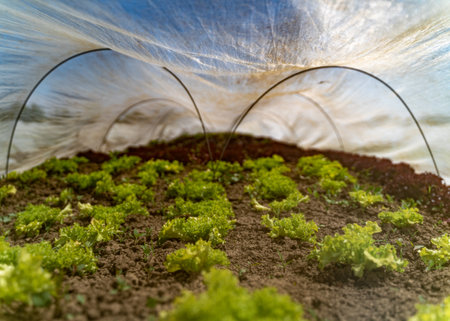
Introduction to Polytunnels and Traditional Greenhouses
When wandering through the charming British countryside or exploring vibrant urban allotments, you will often spot two distinctive structures: the humble polytunnel and the classic glasshouse. Both are cherished staples in British horticultural education and research, each with their own story to tell. While traditional greenhouses—often constructed from glass and metal—evoke images of Victorian walled gardens and stately homes, polytunnels offer a more modern, flexible solution for growers keen to extend the growing season. Their presence across school gardens, community plots, and research institutions speaks volumes about the evolving needs of British gardeners and educators.
The historical development of these structures mirrors Britain’s passion for plants and innovative approaches to cultivation. Glasshouses first appeared in the UK during the 17th and 18th centuries, spurred on by an eagerness to nurture exotic species from across the empire. In contrast, polytunnels emerged much later—post-World War II—as a cost-effective response to expanding food production and local gardening initiatives. Both have become deeply rooted in British gardening culture, shaping how generations learn about nature’s rhythms and the importance of nurturing life under cover.
Role in British Horticultural Education
Polytunnels and traditional greenhouses have become central features in British horticultural education, weaving together practical learning and environmental stewardship for children and young people. From primary school gardens to college campuses, these structures provide a hands-on classroom where budding horticulturists can dig deep into the world of plants, weather patterns, and sustainable practices.
Integration Across Learning Settings
In schools across the UK, polytunnels are often seen on playgrounds or tucked behind science blocks, brimming with tomatoes, strawberries, and runner beans. Traditional glass greenhouses might be rarer in primary settings due to cost but are frequently found in secondary schools and specialist colleges. Both types offer protected environments where young learners can experiment with planting schedules, observe germination up close, and measure microclimates—all vital skills for future gardeners and scientists.
Comparison of Educational Use
| Setting | Polytunnel Usage | Greenhouse Usage |
|---|---|---|
| Primary Schools | Growing vegetables; basic plant science; seasonal food projects | Occasional use; mostly for demonstration or small groups |
| Secondary Schools | Sustainable gardening; group experiments; environmental clubs | Botany coursework; controlled experiments; advanced propagation |
| Colleges & Community Projects | Market gardening; community food growing; vocational training | Specialist plant care; research projects; horticulture courses |
Cultivating Skills and Awareness
The involvement of young learners in both polytunnels and greenhouses goes beyond sowing seeds. These spaces nurture teamwork, responsibility, and observation—skills that blossom alongside lettuce leaves and sweet peas. Pupils track temperature changes, record growth data, and even learn about composting. Many schools link these activities to the national curriculum, using real-life examples to teach maths, science, and geography while also sparking an early love of nature.
A Green Legacy for Future Generations
This practical exposure encourages eco-awareness from a young age. Whether it’s understanding the water cycle within a greenhouse or debating organic methods in a polytunnel, students gain an appreciation for sustainable living. As they watch tiny seeds transform into flourishing crops under glass or poly, British children and teens develop respect for the environment—and perhaps the inspiration to become tomorrow’s horticultural leaders.
3. Research Applications and Innovations
Within the rich tapestry of British horticultural education, both polytunnels and traditional glasshouses are cherished as invaluable research tools. These structures offer controlled environments where budding horticulturists and seasoned researchers alike can investigate a range of questions that are vital to the future of British gardening and agriculture.
Supporting Crop Improvement
Polytunnels and glasshouses provide the perfect setting for crop trials, allowing scientists to tweak variables such as temperature, humidity, and light exposure. This enables careful observation of plant responses in a way that’s simply not possible outdoors in the unpredictable British weather. Thanks to these settings, researchers have developed new varieties of fruit, vegetables, and ornamentals that are better suited to UK conditions—whether it’s a tomato that ripens in our mild summers or a hardy perennial that withstands frosty winters.
Sustainability at the Forefront
With sustainability high on the agenda, both structures play an essential role in testing eco-friendly growing methods. Researchers explore ways to reduce water usage, trial organic fertilisers, and monitor energy consumption. Polytunnels are especially lauded for their ability to extend growing seasons using minimal resources, while glasshouses with modern heating systems allow year-round experimentation without excessive energy waste. Each innovation is a step closer to greener gardens across Britain.
Pest Management Solutions
Another key research focus is pest management—a challenge familiar to every British gardener! The enclosed environment of polytunnels and glasshouses makes them ideal for studying pest behaviour and trialling biological controls. From encouraging ladybirds to tackle aphid outbreaks to testing natural deterrents for slugs, these controlled experiments help shape practical advice that finds its way into classrooms, allotments, and family gardens up and down the country.
Through such research applications and innovations, polytunnels and traditional greenhouses remain at the heart of Britain’s horticultural progress, nurturing not just plants but also the next generation of plant scientists and environmentally conscious gardeners.
4. Adaptation to British Climate and Gardening Traditions
One of the most enchanting aspects of British horticulture is how growing structures, such as polytunnels and traditional greenhouses, have been thoughtfully adapted to suit the country’s famously variable weather and cherished gardening customs. In the UK, where rain showers can surprise even on a sunny afternoon, and frosts can nip at tender shoots in late spring, these structures offer gardeners—young and old alike—a way to nurture plants all year round while staying true to time-honoured traditions.
Tailoring Structures for the British Weather
Both polytunnels and greenhouses play crucial roles in overcoming climatic challenges. They provide shelter from heavy rains, insulate against unexpected cold snaps, and allow for better control over humidity and temperature. For families exploring gardening together or schools encouraging hands-on learning, these spaces become magical havens for both experimentation and growth.
| Feature | Polytunnel | Traditional Greenhouse |
|---|---|---|
| Weather Protection | Flexible cover withstands wind and rain | Glass/Polycarbonate panels protect from frost |
| Temperature Control | Warms quickly in sunlight, ventilated easily | Stable temperatures with options for heating systems |
| Integration into Gardens | Easily relocated to follow sun patterns or garden design changes | Permanently placed, often a focal point in traditional gardens |
| Cultural Fit | Popular for community allotments and modern family gardens | A staple of classic British estates and cottage gardens |
Nurturing Year-Round Cultivation & Heritage
The ability to grow vegetables, fruits, or flowers through every season means children can witness the wonders of plant life regardless of outdoor conditions. Families can enjoy harvesting strawberries before Wimbledon or raising tomatoes for a classic ploughman’s lunch even when it’s drizzling outside. These structures also keep alive beloved traditions—like nurturing rare heritage varieties or preparing show-worthy blooms for village fêtes.
The Blend of Innovation and Tradition
In British horticultural education and research, there’s a beautiful blend: polytunnels bring flexibility and modern efficiency, while traditional greenhouses connect us to stories of Victorian explorers and cottage gardeners. By embracing both, schools and families foster curiosity, resilience, and a deep appreciation for Britain’s rich gardening tapestry—all under shelter from those ever-changing skies.
5. Community Engagement and Allotment Culture
Across the UK, polytunnels and traditional greenhouses have become more than just horticultural tools—they are woven into the fabric of local allotments and community gardens. These spaces are cherished by families, neighbours, and friends, serving as hubs where generations come together to share wisdom, nurture plants, and cultivate a sense of belonging. Allotment culture is a proud British tradition, echoing back to the post-war era when growing your own food was not only practical but essential. Today, these shared plots continue to foster community spirit, with polytunnels and greenhouses enabling year-round cultivation and experimentation.
The Role in Intergenerational Learning
One of the most heartwarming aspects of British allotments is the way they bring together people of all ages. Grandparents pass down their gardening tips—like how to coax runner beans up a cane or tell when strawberries are perfectly ripe—while children discover the magic of watching seeds sprout. Within the shelter of a polytunnel or greenhouse, these learning moments flourish regardless of the weather outside. This intergenerational exchange nurtures not only plants but also relationships, building bridges between young and old through shared curiosity and care.
Boosting Local Food Security
Polytunnels and greenhouses play a crucial role in supporting local food security within British communities. By extending the growing season and offering protection from unpredictable weather, they allow urban gardeners and rural smallholders alike to produce fresh vegetables, fruit, and herbs for longer periods. This means less reliance on supermarket supply chains and more opportunities for families to enjoy homegrown produce straight from their own patch of earth.
Cultivating Resilience Through Collaboration
The presence of these structures in community settings encourages teamwork and resilience. When plot holders pool resources—perhaps sharing seedlings started in a greenhouse or teaming up to repair a battered polytunnel—they strengthen their social bonds as well as their crops. In this way, British horticultural education goes beyond textbooks; it blossoms through hands-on experiences and collective effort. Polytunnels and traditional greenhouses thus remain at the heart of Britain’s allotment culture, inspiring future generations to dig in, grow together, and cherish the joys of cultivating both plants and community.
6. Environmental Considerations and Future Directions
As we nurture young minds and budding plants within the nurturing embrace of polytunnels and traditional greenhouses, it is vital to consider the environmental impact these structures have across the United Kingdom’s diverse horticultural landscape. Both methods offer unique benefits but also present challenges in terms of sustainability, prompting ongoing research and innovation within British horticultural education and practice.
Assessing Environmental Impact
The use of polytunnels and glasshouses in the UK has sparked important conversations about resource consumption and ecological footprints. Polytunnels, often constructed from plastic sheeting, raise concerns about plastic waste and their eventual disposal. Conversely, traditional glasshouses, with their more permanent materials, require significant energy for heating—especially during the chilly British winters. As we gather around our garden beds or classroom projects, it is crucial to teach the next generation about balancing crop productivity with environmental stewardship.
Sustainability Challenges
One of the pressing issues is managing water usage efficiently—a matter close to home as families and schools alike seek ways to conserve this precious resource. Ventilation systems, insulation improvements, and renewable heating sources are becoming topics of discussion in classrooms and community gardens. The challenge lies in integrating these technologies while maintaining affordability for educational institutions and small-scale growers.
Emerging Trends and Innovations
The future holds promise as British horticulture embraces greener solutions. From biodegradable films for polytunnels to solar-powered heating in glasshouses, innovation is sprouting everywhere. Educational programmes increasingly incorporate lessons on circular economy principles—encouraging children (and adults!) to think creatively about repurposing materials and reducing waste. Research institutions are also pioneering climate-adaptive greenhouses that minimise energy inputs while maximising plant health.
Looking ahead, collaboration between educators, researchers, and local communities will be key in cultivating a truly sustainable horticultural sector. By sowing the seeds of environmental awareness today, we equip future generations with the knowledge and inspiration needed to tend both their gardens and their planet with care—a lesson as timeless as watching seedlings unfurl beneath glass or plastic arches in Britain’s ever-changing weather.