Overview of Water Conservation in UK Gardens
Water conservation has become a pressing concern for domestic gardens throughout the United Kingdom. As the impacts of climate change become more pronounced, gardeners are increasingly aware of the need to adopt sustainable water practices. The UKs diverse climate—ranging from the wet, temperate conditions of western Scotland and Wales to the drier regions of South East England—means that approaches to water use in gardens must be tailored to local weather patterns and water availability. In recent years, hosepipe bans and drought warnings have underscored the vulnerability of even traditionally rainy areas. This shift has highlighted the value of integrating water-saving techniques into everyday gardening routines, not only to safeguard garden health but also to contribute to national efforts around sustainability. Policies, incentives, and grants are now playing an ever-greater role in supporting households as they adapt their gardens for resilience, efficiency, and environmental responsibility.
National and Local Policies Supporting Water Conservation
Water conservation in UK domestic gardens is increasingly shaped by both national and local policies, reflecting a growing recognition of water scarcity and the need for sustainable resource management. The government’s approach combines regulatory frameworks, planning guidance, and voluntary codes of practice that target both new developments and existing properties.
Key National Policies
The primary national policy instrument is the Building Regulations Part G (Water Efficiency), which sets maximum allowable water consumption rates for new homes—typically 125 litres per person per day, with an optional tighter standard of 110 litres where local planning authorities enforce it. The Environment Agency also issues guidelines on sustainable water use and drought resilience, encouraging the adoption of water-saving features such as rainwater harvesting systems and permeable paving in gardens.
Relevant Planning Guidance
The National Planning Policy Framework (NPPF) requires local planning authorities to consider climate adaptation, including water conservation, in their development plans. This has led to garden design requirements that promote drought-tolerant planting and limit impermeable surfaces. Furthermore, the Code for Sustainable Homes, though now withdrawn as a mandatory standard, continues to influence best practices in garden water management through its legacy criteria adopted by many councils.
Local Council Approaches
Councils across the UK interpret national guidance according to local needs. Some have gone further by integrating specific measures into their planning policies or introducing incentive schemes. For example, Thames Water partners with several London boroughs to offer subsidised water butts, while councils like Bristol City Council provide free advice and resources for rain garden installation.
Comparison Table: National vs Local Approaches
| Policy/Initiative | Level | Description | Example Area |
|---|---|---|---|
| Building Regulations Part G | National | Sets water efficiency standards for new builds | England & Wales |
| NPPF Garden Design Guidance | National/Local | Makes sustainable drainage and planting a planning consideration | UK-wide |
| Subsidised Water Butts Scheme | Local/Council-led | Discounted rainwater storage for households | London Boroughs, South East England |
| Rain Garden Grants/Advice | Local/Council-led | Support for installing permeable surfaces and native plants in gardens | Bristol, Manchester, Sheffield etc. |
Together, these national and local policies form a layered framework that supports water conservation efforts in domestic gardens. Homeowners are encouraged—sometimes required—to adopt more sustainable garden designs through a mix of regulation, incentives, and practical support tailored to regional conditions.
3. Incentives for Homeowners to Save Water
Across the UK, a variety of incentive schemes are in place to encourage homeowners to conserve water in their domestic gardens. These initiatives are primarily designed to reduce water consumption, promote sustainable gardening practices, and ease pressure on local water supplies, especially during periods of drought or hosepipe bans.
Water Meter Discounts
One widely promoted incentive is the installation of water meters. Many UK water companies offer discounted rates or bill reductions to households that opt for metered supply, as metering typically results in lower usage. This not only helps residents save money but also makes them more aware of their consumption patterns, encouraging responsible watering habits in the garden.
Rainwater Harvesting Rebates
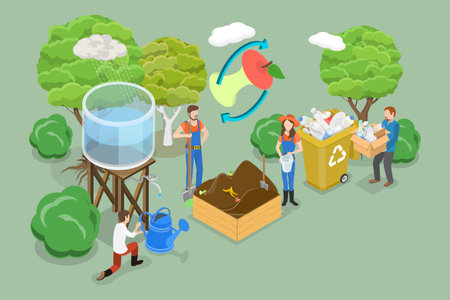
To further support sustainable practices, several local councils and water authorities provide rebates or partial funding towards the purchase and installation of rainwater harvesting systems. These systems collect and store rainwater from roofs, which can then be used for garden irrigation, reducing reliance on mains supply. Homeowners may receive grants or cashback offers on approved water butts or larger rainwater tanks, making these solutions more accessible and cost-effective.
Sustainable Irrigation Schemes
In addition to financial incentives, there are schemes that promote the adoption of sustainable irrigation methods. For example, some regions run awareness campaigns or provide free resources—such as soil moisture sensors or drip irrigation kits—to help gardeners use water more efficiently. Others may offer workshops on drought-resistant planting and mulching techniques as part of wider community sustainability programmes.
Eligibility and Regional Variations
It’s important to note that eligibility for these incentives often depends on local policies and water company initiatives. Not all schemes are available nationwide; availability may vary depending on your region, the specific water provider, and the current environmental conditions. Checking with your local council or water supplier is recommended to find out which incentives you can access.
Encouraging a Shift Towards Sustainable Gardening
Taken together, these incentives play a crucial role in shifting domestic gardening culture towards sustainability. By offering practical support—financial or otherwise—the UK is helping residents make meaningful changes in how they manage water at home. This not only benefits individual households but also contributes to broader efforts to secure the nation’s water resources for future generations.
4. Grant Programmes for Sustainable Gardening
In the United Kingdom, a number of grant programmes are available to encourage water conservation in domestic gardens. These grants aim to support homeowners, tenants, and community groups in adopting water-efficient technologies and sustainable gardening practices. Below, we detail some of the key schemes, their eligibility criteria, and application processes.
Major Grant Schemes
| Grant Programme | Purpose | Eligibility | Typical Funding |
|---|---|---|---|
| Waterwise Community Fund | Supports projects that reduce domestic water use and promote efficient irrigation methods. | Open to community groups, schools, and resident associations in participating areas. | Up to £2,500 per project |
| Green Homes Grant (historic) | Part-funded home improvements such as water butts, drought-resistant planting, and permeable paving. | Homeowners and landlords; specific eligibility varied by scheme phase. | Vouchers up to £5,000 (scheme now closed but may be revived or replaced) |
| Local Authority Environmental Grants | Encourage installation of rainwater harvesting systems and greywater recycling at household level. | Residents within local council boundaries; often prioritise low-income or high-need areas. | £250–£1,000 depending on project scale |
Common Eligibility Criteria
- You must reside within the funding area or council district.
- The garden must be for domestic use (not commercial).
- Your proposal should demonstrate clear water-saving outcomes—e.g., installing drip irrigation, using mulch extensively, or replacing lawns with drought-tolerant species.
- Some programmes require proof of matching funds or volunteer labour contributions.
How to Apply
- Visit your local authority or water company website to check current grant opportunities relevant to your postcode.
- Download the application form and guidance notes. Carefully review all requirements before beginning your application.
- Prepare a short project description detailing your planned water-saving measures. Include a simple budget if required.
- Submit supporting documents such as photographs of your garden, supplier quotes for equipment (e.g., water butts), and evidence of residence or ownership.
- If successful, you will usually be notified within 4–8 weeks. Some grants are paid upfront; others require receipts after purchase and installation.
A Note on Regional Variations
Certain regions—such as Southern Water’s catchment area in the South East or Scottish Water’s pilot schemes—may offer additional incentives during periods of water stress. Always check with local bodies for the latest updates.
Sustaining Success: Reporting Requirements
Many grants require participants to submit a brief report on outcomes (e.g., estimated litres saved annually) or photographs after implementation. This feedback helps funders assess impact and refine future programmes.
5. Case Studies and Success Stories
Greater London: Rainwater Harvesting Initiative
In the boroughs of Greater London, water conservation in domestic gardens has been notably advanced through local council grants supporting rainwater harvesting systems. In 2022, the London Borough of Hackney launched a pilot scheme offering residents up to £150 toward the installation of water butts and rainwater diverters. The scheme achieved a 40% uptake rate among applicants, with garden owners reporting an average reduction of 25% in mains water usage for outdoor purposes during summer months. Feedback from residents indicated that such incentives were instrumental in changing watering habits and fostering a stronger sense of environmental stewardship.
South West England: Sustainable Gardening in Cornwall
Cornwall Council’s ‘Sustainable Gardens’ campaign is a fine example of how policy and incentives can intersect at the community level. By partnering with South West Water, the council distributed free mulching kits and drought-resistant plant seeds to householders. The project was supported by an educational grant aimed at increasing awareness of water-efficient gardening techniques. A follow-up study found that participants used 30% less tap water in their gardens over two growing seasons compared to non-participants, highlighting the impact that targeted support can have on local water resources.
Scotland: The Green Homes Network
The Energy Saving Trust’s Green Homes Network in Scotland showcases properties that have adopted multiple water-saving measures, such as greywater recycling and permeable paving. Homeowners who joined the network benefited from practical advice sessions, partially funded retrofits, and small grants for installing efficient irrigation systems. In Glasgow, one featured property reduced its garden water consumption by half after implementing recommended changes, serving as a model for others interested in similar improvements. These success stories are regularly shared at regional workshops, encouraging widespread adoption across Scottish urban and rural communities.
Wales: Community-Led Allotment Schemes
In Cardiff, a collaborative effort between local councils and community groups has led to the development of water-wise allotment projects. Supported by Welsh Government funding, these schemes focus on collective rainwater collection infrastructure and shared composting facilities to reduce overall demand for mains supply. Evaluation reports from 2023 indicate that participating gardeners experienced more resilient crops during dry spells and contributed to a measurable decrease in neighbourhood water bills.
Northern Ireland: Incentives Driving Behavioural Change
Belfast City Council’s pilot rebate programme offered discounts on council tax for households demonstrating significant reductions in outdoor water use. This incentive encouraged homeowners to install drip irrigation systems and native planting schemes. The initiative not only saved thousands of litres of treated water annually but also sparked greater interest in sustainable landscaping practices city-wide.
These real-world examples from across the UK clearly illustrate how well-crafted policies, accessible grants, and localised incentives can drive effective water conservation in domestic gardens. They highlight both the importance of tailored solutions and the tangible benefits achievable when government support aligns with community action.
6. Resources and Further Guidance for Gardeners
For UK gardeners eager to embrace water conservation, a wealth of specialist resources and authoritative guidance is available. Below, I’ve curated a selection of practical web links, organisations, and advisory bodies that support domestic gardeners in implementing water-saving techniques tailored to the UK’s unique climate and gardening culture.
Key Organisations and Advisory Bodies
Royal Horticultural Society (RHS)
The RHS offers comprehensive advice on drought-resistant planting, efficient watering methods, and garden design for water conservation. Their resources include detailed planting lists, step-by-step guides, and regional tips relevant to British gardens. Visit: Water-wise gardening by RHS
Waterwise
As the leading UK authority on water efficiency, Waterwise provides up-to-date guidance for both new and experienced gardeners. Their site features case studies, downloadable factsheets, and information on current incentives or grants for water-saving technology at home. Explore: Garden Water Saving by Waterwise
The Wildlife Trusts
Encouraging sustainable gardening in harmony with nature, The Wildlife Trusts offer practical advice on rainwater harvesting, pond creation without mains water, and wildlife-friendly drought-tolerant planting. Discover more: How to save water in your garden
Practical Guides and Web-Based Tools
UK Government Guidance
The official GOV.UK website sometimes lists grants or local council schemes relevant to home water efficiency improvements. These may include subsidies for installing rainwater butts or greywater systems. Check: Water saving tips for households
Thames Water and Regional Providers
Your local water supplier often runs seasonal campaigns, provides free water-saving devices (such as hosepipe timers or mulch mats), or highlights local restrictions during dry spells. For Thames region specifics: Garden watering tips from Thames Water
Community Groups and Peer Support
Allotment societies, community gardens, and local environmental groups frequently run workshops on drought-resilient gardening practices. Connecting with these networks can provide hands-on demonstrations and shared experience tailored to local conditions.
Staying Up-To-Date
Given the evolving nature of climate challenges and policy responses in the UK, it’s wise to subscribe to newsletters from trusted horticultural bodies or check council websites regularly for fresh advice and funding opportunities. By leveraging these resources, you’ll not only save water but also build a resilient and thriving British garden.