Understanding the Charm of English Borders
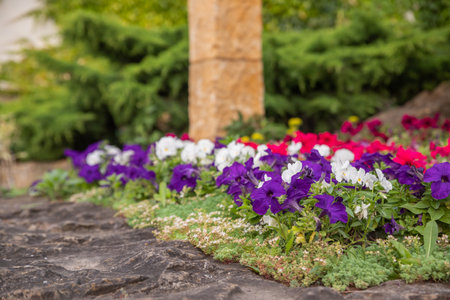
When you step into a traditional English garden, one of the first things to capture your imagination is the beautifully orchestrated border. These iconic borders are much more than simply lines of flowers—they are living tapestries that blend colour, texture, and fragrance in a way that feels both artful and effortless. The quintessential English border often frames lawns or pathways with gentle curves and an abundance of layers, brimming with plants that thrive together in harmony. At the heart of these designs are spring bulbs—daffodils peeping through early morning mist, tulips standing tall like painted soldiers, and hyacinths scenting the air. These bulbs play a starring role by providing vibrant pops of colour when the rest of the garden is just waking up from its winter slumber. Their early blooms set the tone for the entire growing season, inviting children and adults alike to explore nature’s unfolding story together. Companion planting with spring bulbs not only enhances visual delight but also supports healthier, more resilient borders—an approach deeply rooted in British gardening tradition and family-friendly outdoor living.
2. The Art of Companion Planting
Companion planting is a thoughtful gardening practice that draws inspiration from nature’s own patterns, encouraging a harmonious coexistence among plants. In the heart of an English border, this means carefully selecting and positioning spring bulbs alongside perennials, shrubs, and annuals to create both visual delight and ecological balance. The principles behind companion planting revolve around mutual benefit: while some plants offer shelter or support, others might repel pests or enrich the soil. When you introduce spring bulbs—such as daffodils, tulips, or hyacinths—into your borders, they become not just seasonal highlights but also valuable partners for other garden residents.
Timing is crucial. Spring bulbs burst into life early in the season, providing colour when most perennials and shrubs are still waking up from their winter slumber. As the bulbs fade, their foliage can be gently hidden by the emerging leaves of later-flowering companions, keeping your border looking fresh and tidy. Moreover, certain combinations help deter common pests or diseases that can trouble English gardens. For example, alliums planted near roses may discourage aphids, while narcissi (daffodils) can help keep voles and squirrels at bay.
| Spring Bulb | Ideal Companions | Benefits |
|---|---|---|
| Daffodil (Narcissus) | Hostas, Daylilies, Roses | Pest deterrent; bright early colour |
| Tulip | Forget-me-nots, Wallflowers, Hardy Geraniums | Extends bloom time; supports pollinators |
| Allium | Astrantia, Nepeta, Lavender | Aphid deterrent; architectural interest |
| Crocus | Pulmonaria, Primroses, Ferns | Early nectar for bees; groundcover harmony |
The key to success lies in understanding the growth habits and preferences of each plant. Bulbs tend to thrive in well-drained soils with plenty of sunlight early on before trees and shrubs leaf out fully. Perennials and annuals that don’t mind sharing space above dormant bulbs will ensure that your borders remain full and vibrant throughout the seasons. By weaving together these living threads—each with its unique rhythm—you’ll create an iconic English border that flourishes year after year.

3. Top Spring Bulbs for English Gardens
If you stroll through an English garden in spring, you’ll likely be greeted by drifts of cheerful daffodils, elegant tulips, and the delicate blue haze of bluebells. These iconic bulbs have a special place in British horticulture, not just for their beauty, but for how they signal the start of longer, lighter days—a time when families gather outdoors and children delight in spotting the first signs of life after winter’s rest.
Daffodils: The Nation’s Harbinger of Spring
No spring border in England feels complete without daffodils. Their sunny yellow trumpets are often the first to appear, bringing joy to parks, woodlands, and cottage gardens alike. Daffodils are wonderfully resilient and easy to grow, making them perfect companions for both experienced gardeners and little hands eager to help with planting. Whether clustered beneath ancient oaks or lining pathways, their enduring appeal lies in their ability to return year after year—like old friends popping by for a cup of tea.
Tulips: A Touch of Drama and Colour
Tulips add sophistication and flair to English borders, available in a dizzying array of colours and shapes. From deep velvet purples to purest white or vibrant scarlet, there’s a tulip for every taste. Traditionally planted en masse for maximum impact, tulips can be woven between perennials or grouped in pots on patios, where their bold hues brighten even the greyest British morning. They spark curiosity and creativity—children love choosing their favourite shades each autumn as families plan next year’s display together.
Bluebells: The Whisper of Ancient Woodlands
Few sights capture the magic of the English countryside like a bluebell carpet stretching beneath budding trees. Native English bluebells (Hyacinthoides non-scripta) offer a gentle fragrance and a nod to our wild heritage. When planted along borders or at the base of hedgerows, they create dreamy transitions from cultivated spaces to wilder corners of the garden. Their ephemeral bloom encourages us to slow down and savour fleeting moments with our loved ones—reminding us that some wonders are best enjoyed quietly, hand in hand.
The Enduring Allure
These beloved spring bulbs do more than decorate—they connect generations through shared traditions and gentle lessons from nature. By weaving daffodils, tulips, and bluebells into your companion planting scheme, you’re not just creating an iconic English border; you’re nurturing memories that will blossom year after year.
4. Perfect Partners: Plant Combinations for Year-Round Interest
When dreaming up an iconic English border, it’s all about combining spring bulbs with the right companions to keep your garden lively and inviting through every season. Imagine strolling hand-in-hand with your child along a path where crocuses peek out early, followed by daffodils and tulips, all gently supported by clever companions that fill gaps and extend interest well beyond spring. Pairing bulbs with classic British garden favourites not only creates visual drama but also supports pollinators and encourages healthy plant communities—just like friends helping each other thrive!
Classic Companions for Spring Bulbs
Some perennials are simply made for partnering with bulbs in English borders. Here are a few time-honoured matches:
| Spring Bulb | Companion Plant | Benefit |
|---|---|---|
| Daffodil (Narcissus) | Geranium (Cranesbill) | Hides fading bulb foliage; adds summer colour |
| Tulip | Hosta | Lush leaves fill space as tulips finish blooming |
| Crocus | Primrose (Primula) | Early spring cheer; supports pollinators |
Inventive Combinations for Modern Borders
If you fancy something a bit different, try mixing bulbs with more unusual partners. Foxgloves (Digitalis), with their tall spires, can rise up behind clusters of alliums or late-flowering narcissus, creating layers of colour and structure—a real treat for the eyes! Ferns add soft textures among bold tulips, while hardy geraniums weave between everything, offering a naturalistic look straight from an English woodland.
Why These Partnerships Work
The secret lies in choosing plants with complementary growth habits and bloom times. As bulbs retreat underground after flowering, companions like hostas or geraniums unfurl their leaves to cover any untidy patches, keeping borders attractive and weed-free. Plus, this diversity makes your border more resilient to pests and changing weather—a wise lesson from nature for young gardeners to learn.
Creating Your Own Signature Border
Invite your children to help pick out their favourite flower colours and shapes. Use our handy table above as inspiration, then let little hands help tuck bulbs beneath perennials in autumn. By spring, you’ll watch together as your perfect partners emerge—each one telling its own story and bringing delight to your shared garden adventure.
5. Planting Tips for Success
Planting spring bulbs together as a family is a cherished British tradition, turning gardening into a delightful learning experience for children and parents alike. To help your iconic English border flourish, here are some practical tips to ensure your companion planting journey gets off to a flying start.
Choose the Right Time
In the UK, autumn is the perfect season for planting most spring bulbs. Aim for September through November, before the ground freezes but after the sweltering summer heat has faded. This gives bulbs ample time to establish roots before their big spring debut.
Prepare Your Soil
Show your little ones how healthy soil helps plants grow strong! Use a trowel or a small fork to loosen the earth and remove any weeds or stones. Mixing in compost or well-rotted manure makes for nutrient-rich beds where bulbs and their companions can thrive side by side.
Get Planting—Together!
Spacing and Depth
Teach children about each bulb’s cosy underground home: as a rule of thumb, plant bulbs at a depth two to three times their own height, with enough space between them so they don’t feel crowded—usually around 10-15cm apart. Let everyone have a go at digging and placing the bulbs with their pointy end facing up.
Mix and Match
Create charming combinations by mixing different types of bulbs and companion plants in clusters or naturalistic drifts. For example, nestling daffodils amongst forget-me-nots or tulips beside wallflowers not only looks stunning but also teaches children about teamwork in nature.
Water Well and Wait
After planting, give your new border a good drink, especially if it’s dry. Involve your children in regular watering and watch for those first green shoots together—it’s like waiting for magic to happen!
A Family Tradition in Bloom
By rolling up your sleeves as a family and following these simple steps, you’ll create more than just an iconic English border—you’ll nurture memories that will flower year after year.
6. Caring for Your Iconic Border
Once your English border bursts to life with companion-planted spring bulbs, the real joy is in nurturing it together—season after season. Establishing a routine not only keeps your borders blooming brilliantly, but also invites children and adults alike to connect through shared care. Here’s how to maintain that iconic look while fostering a love of sustainable gardening.
Seasonal Routines for Lasting Beauty
Begin each spring by removing faded bulb foliage only once it has yellowed, letting the energy return to the bulbs for next year’s display. Gently weed by hand, making this a fun scavenger hunt for little hands. Mulch borders in late autumn with well-rotted compost or leaf mould to nourish both soil and plants—think of it as tucking them in for winter.
Water Wisely
Spring bulbs generally need little watering, relying on our British rains, but during dry spells, show them some love with a gentle soak at their roots. Encourage youngsters to check soil dampness—an ideal opportunity for hands-on learning and caring observation.
Sustainable Practices for Every Generation
Teach children the wonders of wildlife-friendly gardening by leaving seed heads for birds and beneficial insects. Compost spent stems together, explaining nature’s recycling magic. Rotate bulb placements every few years to prevent disease and keep things fresh—much like changing up the pieces in a family jigsaw puzzle.
Inspiring Shared Stewardship
Caring for borders is more than chores; it’s about fostering patience, responsibility, and wonder. Invite family members young and old to join in deadheading faded blooms or spotting new shoots—a tradition that can become part of your household rhythm each season.
Nurturing your iconic English border isn’t just about vibrant displays; it’s about cultivating lifelong green habits and creating a living legacy together. With every season’s tending, you plant seeds of curiosity, care, and connection—ensuring your shared space remains inspiring for generations to come.