
Embracing the British Spring: Timing Your Sowing
If there’s one thing every seasoned UK gardener knows, it’s that springtime here has a character all its own. The British weather can be famously unpredictable—one minute you’re basking in golden sunshine, the next you’re caught in a brisk shower. Understanding these quirks of the UK climate is key to getting ahead in your vegetable garden. While the calendar might declare the arrival of spring in March, wise gardeners keep a close eye on both temperature and soil conditions rather than just dates. Sowing too early risks seeds rotting in cold, wet soil, while waiting too long can mean missing the best start for vigorous growth. It pays to observe your patch: check if the soil is workable, not waterlogged, and take note of local last frost dates. Remember, patience is a virtue well rewarded in British gardens; sometimes holding off a week or two makes all the difference between a struggling seedling and a thriving plant. By tuning into these rhythms and timing your sowing just right, you’ll set your vegetable patch up for a season of abundance.
Choosing UK-Friendly Veg: Tried-and-True Favourites
When planning your spring sowing in the UK, one of the wisest approaches is to select vegetables that have long proven their worth in our unique climate. The British weather can be unpredictable—one moment its mild and damp, the next a sharp frost sweeps through. Seasoned gardeners will tell you: choose varieties that are robust and time-tested on local plots. Over generations, certain vegetables have earned their place as staples because they thrive in these temperamental conditions.
Traditional British Vegetables for Reliable Yields
Some crops simply belong in a UK vegetable garden. Broad beans, with their sturdy stems and tolerance for chilly springs, are often among the first seeds sown. Leeks, another cherished favourite, stand strong through the autumn mists and even into winter. Runner beans bring vertical beauty and abundant harvests to many an allotment or back garden, thriving in our moderate summers.
Quick Guide: Tried-and-True Veggies for UK Gardens
| Vegetable | Why It’s a Favourite | Sowing Tips from Long-time Gardeners |
|---|---|---|
| Broad Beans | Hardy; tolerates early spring chill | Sow direct from late February; support young plants against wind |
| Leeks | Tolerates cool weather; long harvesting window | Sow indoors or under cover in early spring; transplant when pencil-thick |
| Runner Beans | Loves British summers; climbs easily | Sow undercover in April or direct after last frost; provide tall supports early |
Wisdom from Experienced Hands
If you ask anyone who’s tended a patch for decades, they’ll likely recommend sticking to these traditional options as your backbone while experimenting with a few new varieties on the side. This approach ensures a dependable crop while still leaving room for discovery. Local gardening clubs and neighbours are excellent sources of tips about which varieties perform best in your specific region—don’t hesitate to seek their advice or swap seeds at a community event. Remember, patience and observation go hand-in-hand with every successful British garden.
3. Preparing the Plot: Classic British Allotment Wisdom
Step One: Clearing and Turning the Soil
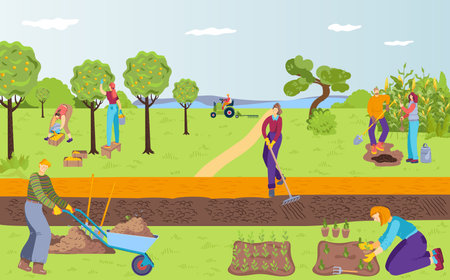
Every seasoned British gardener knows the first task on any allotment come spring: clearing away last year’s remains. Begin by removing weeds, old stalks, and any debris—there’s no shortcut here, just good old-fashioned elbow grease. Next, take your trusty fork or spade and turn the soil thoroughly. This not only aerates it after months of compacting winter rains but also brings hidden pests to the surface for the birds to feast on. My grandad always said, “A well-turned plot is half the battle won.”
Step Two: The Art of Composting
No allotment is complete without a steaming compost heap at the corner. Collect kitchen scraps—vegetable peelings, eggshells, coffee grounds—and mix them with grass clippings and autumn leaves. Layering is key; too much of one thing and you’ll end up with a slimy mess rather than rich compost. Turn your pile every few weeks to keep it aerating nicely. In time, you’ll have what many call “black gold,” ready to nourish your soil in spring.
Step Three: Enriching the Earth
Once your soil is turned and weed-free, it’s time to enrich it. Traditional British practice favours well-rotted manure or homemade compost dug into the top few inches of earth—a job best done on a brisk March morning when the ground is workable but not waterlogged. For particularly hungry crops like brassicas or potatoes, add a sprinkle of fish, blood & bone meal or seaweed extract for that extra boost.
Handy Tips from the Allotment Veterans
Don’t rush—let the soil warm up before sowing seeds, as cold earth can stunt growth. If you’re keen, cover beds with fleece or cloches to encourage earlier warming. And remember, tradition matters: crop rotation is still king on UK allotments. Rotate families each year to prevent disease build-up and keep your yields high.
A Final Word
The rituals of preparing an allotment might seem old-fashioned, but there’s wisdom in these time-honoured steps. With patience and careful attention now, you’re setting yourself up for a fruitful season ahead—just as generations of British gardeners have done before us.
4. The Art of Sowing: Rows, Modules, and Old-School Tricks
If you ask any seasoned British gardener, they’ll tell you: there’s an art to sowing seeds, and it’s as much about tradition as it is about innovation. Spring in the UK is a busy time in the veg patch, but getting your sowing method right is what sets apart a good crop from a cracking one. Let’s delve into the best approaches for different crops, blending tried-and-true wisdom with a few modern twists.
Sowing Directly in Rows
For classic British staples like carrots, parsnips, and beetroot, direct sowing in rows remains the gold standard. The soil needs to be workable—neither too wet nor too cold—and the old timers always say, “If you can sit on the earth with bare buttocks and not shiver, it’s time to sow.” Mark out shallow drills using a cane or even the edge of your wellington boot, space seeds evenly, then cover lightly. Remember to label rows; a bit of string and a stick does just fine—no need for anything fancy.
Quick Reference Table: Crops Suited for Direct Row Sowing
| Crops | Best Sow Time | Row Spacing |
|---|---|---|
| Carrots | March–June | 15cm (6in) |
| Parsnips | February–April | 30cm (12in) |
| Beetroot | March–July | 30cm (12in) |
| Turnips | March–August | 25cm (10in) |
Modules on the Windowsill: A Modern Approach
British weather is famously unpredictable—one minute sunny, next minute hailstones! That’s why many gardeners start tender crops like tomatoes, courgettes, and salads indoors in modules or trays on the windowsill. This gives seedlings a head start while frost still lingers outside. Use seed compost, keep them moist (but not soggy), and once they show true leaves and outdoor conditions improve, harden them off before planting outside.
Seed Starting Indoors: Handy Tips
- Lettuce: Sow thinly in trays; transplant when large enough to handle.
- Tender beans: Start in pots late April; plant out after last frost.
- Tomatoes: Start indoors from late February; pot on as needed.
A Sprinkle of Old-School Lore
You’ll often hear stories down the allotment about tricks that have stood the test of time. From soaking pea seeds overnight in cold tea (“for extra vigour,” as my grandad used to say) to covering newly sown rows with cloches made from upturned milk bottles, these little rituals bring both nostalgia and proven results. And don’t forget companion planting—the classic marigold beside your tomatoes isn’t just for colour; it keeps pests at bay too.
The Bottom Line
No matter if you’re scattering seeds straight into the ground or nurturing them inside away from chilly British winds, remember: patience is key, and a dash of old-fashioned common sense goes a long way. With these sowing strategies under your belt, you’ll be well ahead when summer arrives and the garden bursts into life.
5. Weathering the Elements: Coping with Unpredictable UK Springs
If there’s one thing every seasoned British gardener will tell you, it’s that springtime here rarely follows the script. One day, you might be basking in a gentle sun, and the next, your seedlings are shivering under an unexpected frost or being battered by relentless drizzle. Experience teaches us to expect the unexpected and to have a few trusty tricks up our sleeves for protecting those precious young plants just starting out in the vegetable patch.
Shielding Against Late Frosts
It’s all too easy to be lulled into a false sense of security by a spell of warm weather in April, only for Jack Frost to make a surprise return. Cloches are a traditional favourite—think of them as miniature greenhouses you can pop over your seedlings at dusk. Plastic bottles with the bottoms cut off do the trick nicely too, and they’re just as effective at keeping off a sudden nip. For larger rows, garden fleece is invaluable: just drape it loosely over beds on chilly nights and anchor it with stones or pegs, removing it during the day so your plants don’t overheat.
Battle With Slugs and Snails
Where there’s damp, you can bet slugs and snails aren’t far behind, making quick work of tender shoots overnight. Old hands swear by scattering crushed eggshells or sharp horticultural grit around vulnerable plants—these create uncomfortable terrain for slimy invaders. Beer traps (a shallow dish filled with beer) are another time-tested remedy; slugs can’t resist, but sadly for them, it’s a one-way trip. For those who prefer not to sacrifice their ale, copper tape around pots works wonders by giving slugs a gentle electric shock as they attempt to cross.
Managing the Great British Drizzle
Relentless rain is almost a rite of passage for spring sowings here. While vegetables need moisture, waterlogged soil can spell disaster for roots. Raised beds help immensely with drainage—something I learned after years of soggy allotments. If heavy rain is forecast, use cloches or even an old shower curtain propped up on bamboo canes to temporarily shield especially sensitive seedlings from drowning.
A Few Homemade Remedies Worth Passing On
Old traditions endure because they work. A sprinkling of wood ash from the fireplace around young brassicas deters pests and adds potassium to the soil. Some gardeners swear by garlic spray (simply steep chopped garlic in water overnight) spritzed onto leaves to ward off aphids and mildew brought on by wet springs. And above all, keep an eye on your patch—a quick daily stroll often heads off trouble before it takes hold.
Staying one step ahead of unpredictable spring weather is something we learn through trial, error, and a bit of neighbourly wisdom shared over the garden fence. With these strategies in place, your vegetable garden will be well-prepared to thrive despite whatever twists the British climate throws your way.
6. Making It a Family Affair: Passing Down the Plot
If there’s one thing I’ve learned over my years on the allotment, it’s that gardening isn’t just about growing vegetables—it’s about growing memories and traditions too. As spring sowing gets underway, there’s no better time to invite children and younger relatives to join you among the rows of peas and potatoes. Involving the whole family not only lightens the workload but also sows the seeds of knowledge and appreciation for our British growing heritage.
Sharing Stories While Sowing Seeds
There’s something magical about telling tales of bumper crops and legendary frosts as you show little ones how to plant their first runner beans or carrots. Whether you’re reminiscing about your first taste of freshly dug Jersey Royals or recalling the year slugs nearly wiped out your lettuces, these stories connect generations and make the gardening experience richer. Children are curious by nature—let them get their hands dirty, give them a patch of soil, and watch their pride grow alongside their seedlings.
Learning Together: The Practical Perks
Spring is full of teachable moments: from explaining why we chit potatoes before planting to showing how we rotate crops to keep the soil healthy. These hands-on lessons stick with children far longer than any textbook ever could. Plus, working side by side fosters patience, responsibility, and a respect for nature—qualities we could all use a bit more of in today’s fast-paced world.
Keeping Allotment Traditions Alive
The spirit of community allotments has always thrived on sharing—be it surplus courgettes or handy tips passed over the fence. By bringing younger generations into the fold, we ensure that cherished British gardening customs continue long after we’ve hung up our trowels. Encourage children to take charge of a small section or start a sunflower competition—friendly rivalry is part of allotment life! And don’t forget those end-of-summer gatherings, where everyone can enjoy the fruits (and veg) of their collective labours.
Ultimately, spring sowing is more than just preparing for harvest; it’s about nurturing bonds across ages and ensuring that love for gardening remains rooted in your family for years—and generations—to come.