Understanding the Needs of Families and Pets
When embarking on the journey of designing a small garden for families, especially those with young children or pets, it’s vital to take a step back and think about the unique requirements such households bring. British family gardens are often more than just a patch of grass—they’re an extension of the home, offering space for adventure, learning, and relaxation. Safety should be at the forefront, ensuring little ones and furry friends can roam freely without worry. This means considering secure boundaries, child-friendly plants, and surfaces that won’t lead to slips or grazed knees. At the same time, there must be ample opportunity for play—whether it’s room for a swing set tucked in a corner, or a soft lawn for kicking a ball about. Flexibility is key; as children grow and pets mature, the way you use your garden will naturally evolve. By keeping these needs in mind from the outset, you’ll lay solid foundations for a garden that serves all members of the family for years to come.
2. Creating a Safe Environment
When it comes to designing small gardens for families with children or pets, safety should always be at the forefront of your planning. British weather can bring its fair share of slips and trips, so choosing materials that are both child- and pet-friendly is essential. Avoid sharp-edged stones and opt for smooth, non-slip surfaces such as rubber matting or textured paving slabs. It’s also wise to think about soft lawns or artificial grass that provide a gentle landing for little knees and paws alike.
Suitable Boundaries and Fencing
One of the first considerations is the boundary of your garden. Whether you live in a terrace in Manchester or a semi in Surrey, secure fencing gives peace of mind that children and pets can play freely without wandering off. Traditional wooden panels are common, but make sure they are well-maintained and have no gaps or splinters. For added security, consider fencing at least 1.5 metres high for dogs prone to jumping, and ensure gates have child-proof locks.
Comparing Common Boundary Options
| Boundary Type | Pros | Cons |
|---|---|---|
| Wooden Panel Fencing | Sturdy, classic look, good privacy | Needs regular maintenance, may rot over time |
| Metal Railings | Durable, low maintenance | Not suitable for small pets, less privacy |
| Lattice with Climbing Plants | Aesthetic appeal, supports wildlife | May not be secure for very small children/pets |
Choosing Family-Friendly Surfaces
The right surface underfoot makes all the difference on rainy days when gardens turn slippery. For paths and patios, choose non-slip porcelain tiles or textured concrete slabs that offer grip even when wet. Lawns are great for play but can get muddy; artificial grass is a practical alternative for smaller spaces as it stays green year-round and is easy to clean up after pets.
Surface Comparison Table
| Surface Type | Main Benefits | Potential Drawbacks |
|---|---|---|
| Natural Grass | Softer landings, cool in summer | Muddy in winter, requires upkeep |
| Artificial Grass | No mud, low maintenance | Can get hot in direct sun, initial cost higher |
| Paving Stones (Textured) | Non-slip, long-lasting | Tougher if falls occur, may need weed control between slabs |
By prioritising safe boundaries and thoughtful material choices, you’ll create an outdoor space where everyone – whether two-legged or four-pawed – can enjoy themselves without worry.
3. Choosing Suitable Plants
When it comes to designing small gardens for families with children or pets, selecting the right plants is absolutely crucial. In the unpredictable British climate, youll want to opt for varieties that are not only non-toxic but also robust enough to take a bit of a battering from little feet and paws. After all, theres nothing worse than seeing your carefully tended flowerbeds flattened after a game of tag or an enthusiastic puppy’s dig!
Start by looking for hard-wearing, low-maintenance plants that will thrive year-round. Tough evergreens like box (Buxus sempervirens) or hardy shrubs such as Hebe and Viburnum tinus can provide structure without needing much fuss. Ornamental grasses like Festuca or Carex add texture and bounce back beautifully from accidental trampling.
Safety should always come first, especially when young children or curious pets are involved. Avoid potentially poisonous plants such as foxgloves, yew, and lily of the valley. Instead, choose child- and pet-safe options like lavender, marigolds, sunflowers, and snapdragons—these not only brighten up the garden but are generally safe if touched or nibbled.
For families with very active youngsters or pets, consider planting herbs like mint, thyme, or chives along pathways or near seating areas. Not only do these release a lovely scent when brushed against, they’re also forgiving if stepped on and can be picked for kitchen use—a win-win! And don’t forget about berries: strawberries and raspberries make for delicious snacks straight from the garden (just be sure to supervise to avoid any overeating or unripe fruit).
Ultimately, the key is to balance durability with safety and aesthetics. By choosing resilient, non-toxic plants suited to local conditions, you’ll create a green space where children can play freely and pets can explore safely—a true family haven that everyone can enjoy throughout the seasons.
4. Designing for Play and Relaxation
When planning a small garden for families with children or pets, it’s essential to strike a balance between spaces for active play and tranquil corners for relaxation. A well-designed garden can become the heart of family life, offering areas where little ones can burn off energy while adults unwind with a cuppa. Here are some practical ways to ensure your outdoor space caters to everyone’s needs:
Creating Zones: Playful and Peaceful
Dividing your garden into distinct zones helps keep things organised and ensures each family member has a spot to enjoy. For example, you might allocate one section for energetic activities—think lawns perfect for a kickabout or a sandpit where young children can dig and build. Meanwhile, another corner could be reserved for quieter pursuits like reading, birdwatching, or simply soaking up the sun.
Balancing Features: What Works Best?
| Playful Features | Tranquil Corners |
|---|---|
| Soft lawn area for games | Shaded bench beneath a tree |
| Sandpit with edging (safe for little ones) | Potted lavender or herbs for fragrance |
| Small climbing frame or swing (if space allows) | Trellis with climbing roses or clematis |
| Mud kitchen or water play table | Sheltered nook for morning tea or evening chats |
Tips from Experience: Making It Work in Small Spaces
If you’re short on room, consider dual-purpose features. A sturdy deck can double as both a play stage for children and an alfresco dining area in the evenings. Raised beds not only add structure but also act as informal seating when friends visit. Remember, the aim is to create a garden that feels welcoming and safe for children and pets but also offers moments of calm reflection—something every British family appreciates after a busy day.
5. Maximising Space in Small Gardens
When you’re designing a garden for families with children or pets, it’s essential to make every inch count, especially if your outdoor space is limited. One of the best ways to achieve this is by thinking vertically. Vertical planting allows you to use fences, walls, and even sheds as growing spaces for flowers, herbs, or strawberries—giving you more greenery without sacrificing precious floor space. For example, hanging baskets or wall-mounted planters can provide bursts of colour and fragrance while staying well out of reach from playful paws or little hands.
Clever zoning is another tried-and-tested method. By subtly dividing your garden into different sections using low hedges, raised beds, or even changes in paving, you can create distinct areas for play, relaxation, and planting. This not only helps keep toys and pet paraphernalia contained but also gives each family member their own special spot to enjoy. You might have a patch of artificial grass for the kids to kick a ball about, a shaded nook for reading, and a sturdy sandpit that doubles up as a seating area when covered.
Finally, think about multi-purpose features. Benches with built-in storage are brilliant for hiding away outdoor games or pet leads. Folding tables or stackable chairs can be brought out when needed and tucked away after use. Even planters can double as barriers or seating edges. The key is to choose items that serve more than one function so you’re not cluttering your garden with single-use furniture or fixtures.
With these thoughtful strategies—vertical planting, smart zoning, and multi-functional features—you can transform even the tiniest garden into a welcoming space where both children and pets have room to play and grow. Remember, a small garden needn’t feel cramped; it just needs a bit of careful planning and an understanding of how your family uses the space day-to-day.
6. Encouraging Outdoor Learning and Engagement
One of the greatest joys of having a garden, no matter its size, is the opportunity it gives families to connect with nature and learn together. When designing a small garden for families with children or pets, its well worth incorporating features that nurture curiosity and hands-on learning. Consider setting aside a section for a wildlife-friendly area—perhaps a simple bug hotel tucked into a quiet corner, a bird feeder, or some pollinator-friendly plants such as lavender and foxgloves. These touches not only attract local wildlife but also provide endless fascination for little ones keen to observe insects, birds, and butterflies up close.
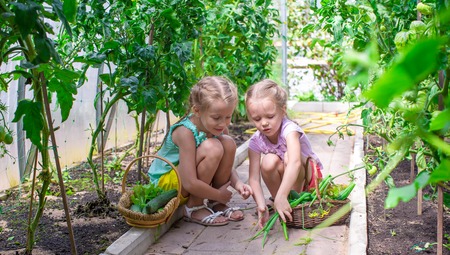
Another wonderful addition is a compact vegetable patch or herb bed. Even if space is limited, raised beds or container gardening can offer children the chance to plant seeds, watch them grow, and enjoy the fruits of their labour. Choose easy-to-grow crops like cherry tomatoes, strawberries, or dwarf beans—these tend to be hardy in British weather and are perfect for little hands. Not only does this encourage healthy eating habits, but it also teaches patience and responsibility as children help water and care for their plants.
For families with pets, consider areas where dogs can safely dig or sniff around without disturbing delicate plants—perhaps a designated digging patch filled with sand or bark chippings. Meanwhile, children may enjoy creating miniature habitats, such as log piles for hedgehogs or shallow dishes for birds to drink from. All these elements invite exploration and discovery while fostering respect for living things.
By weaving learning opportunities into the very fabric of your small family garden, you create a space that’s not just beautiful but also enriching. The memories made—from spotting the first ladybird of spring to harvesting homegrown mint—will last long after the season changes. With thoughtful planning and a dash of imagination, even the cosiest outdoor space can become an inspiring classroom under the open sky.