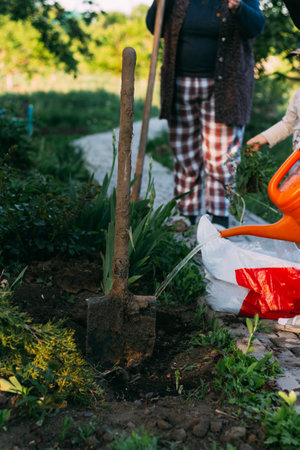
Introduction: Getting to the Root of Cost Decisions
When it comes to nurturing a garden in the UK, every family faces choices that shape not only their outdoor space but also their household budget. Whether youre tending your first plot with your children or looking to breathe new life into an old allotment, deciding between raised beds and traditional ground planting is more than just a matter of taste—it’s about making thoughtful investments that will blossom for years to come. In this quintessentially British setting, where weather can be as unpredictable as a toddler’s questions and space is often at a premium, weighing up the financial aspects of each approach is essential. This article sets out to gently dig into the costs involved, helping home gardeners sow seeds of wisdom alongside their carrots and cabbages. Let’s journey together through the soil and savings, so you can grow a garden that’s both flourishing and financially friendly.
2. Upfront Expenses: What Does It Take to Get Started?
Before we roll up our sleeves and get our hands dirty, let’s pause for a friendly chat about the initial costs of starting your home garden—whether you’re dreaming of neat raised beds or fancy trying your luck on a classic patch of earth. Like choosing between wellies or trainers for an adventure outdoors, each method comes with its own set of needs and expenses, which can shape your gardening journey from day one.
Materials: Comparing the Basics
Raised beds often require a shopping list that includes timber (or recycled sleepers for those who love a bit of British heritage), fixings, corner brackets, and liners. Traditional ground planting, on the other hand, asks for less in terms of structure but may call for tools to help break new ground and improve soil quality. Here’s a quick look at what you might need:
| Item | Raised Beds | Traditional Ground Planting |
|---|---|---|
| Main Materials | Timber boards or kits, screws/nails, liners | None needed if using existing soil; possibly compost/topsoil |
| Tools | Saw, drill, spirit level, hammer | Spade, fork, rake, hoe |
| Soil/Compost | Purchased soil and compost to fill beds | Compost/manure to enrich native soil |
The Set-Up: Labour and Time Costs
Building raised beds is a bit like assembling flat-pack furniture—there’s some time and effort involved before you can enjoy the finished result. You’ll need a few hours (and perhaps a cup of tea or two) to assemble the frame and fill it with good-quality compost. Preparing traditional ground is more about elbow grease: digging over turf, removing weeds, and working in organic matter. It’s hard work but rewarding in its own earthy way.
Sample Upfront Cost Comparison (Estimated)
| Expense Category | Raised Beds (per 1.2m x 2.4m bed) | Ground Planting (per similar area) |
|---|---|---|
| Lumber & Fixings | £60–£120 | N/A |
| Liner/Weed Membrane | £10–£20 | N/A |
| Purchased Soil/Compost | £40–£80 | £15–£25 (for soil improvement) |
| Basic Tools | £30–£50 (if not already owned) | £30–£50 (if not already owned) |
A Family-Friendly Tip:
If you’re gardening as a family, don’t forget that building raised beds can be a wonderful weekend project with little ones—measuring, building, and filling together brings everyone closer to nature from the very start!
3. Ongoing Costs: Tending Your Patch Over Time
Once the initial excitement of setting up your garden has settled, the real journey begins: nurturing your green space through the seasons. Whether you’re working with raised beds or traditional ground planting, ongoing costs will gently shape your gardening experience, much like how a parent quietly supports their child’s growth from the sidelines.
Compost and Soil Amendments
Raised beds often require regular top-ups of compost and soil amendments, as nutrients can leach away more quickly in contained spaces. Many British gardeners find themselves popping down to the local garden centre for bags of peat-free compost or well-rotted manure every spring—an expense that adds up over time. In contrast, ground planting allows for larger-scale composting at home and lets the earth’s natural cycle replenish itself, meaning fewer purchased amendments are needed if you’re patient and let nature do her work.
Water Usage
Watering is an essential part of any gardener’s routine, but it can impact your utility bill differently depending on your chosen method. Raised beds tend to dry out faster—especially in those rare but delightful British heatwaves—so they often demand more frequent watering. Savvy gardeners might invest in water butts to collect rainwater off their sheds, keeping both costs and environmental impact low. Traditional ground plots hold moisture longer, reducing the need for daily dousing, which is a boon during hosepipe bans or when juggling a busy family schedule.
General Maintenance
Ongoing maintenance is another area where differences emerge. Raised beds offer easier access for weeding and tidying (a real back-saver for parents who are often bending over to help little ones plant seeds), but their timber frames may eventually need treating or replacing—a hidden long-term cost. Meanwhile, traditional ground beds require persistent weeding and may be more susceptible to pests, but they involve fewer structural repairs. Either way, tending your patch becomes a shared family ritual—whether you’re mending a wobbly bed edge together or spending a Saturday pulling up dandelions before tea.
Ultimately, ongoing costs are less about pounds and pence and more about commitment: choosing the right method for your family’s lifestyle ensures your garden continues to flourish—and so do those special moments spent outdoors together.
4. Value for Money: Yield, Health, and Happiness
When it comes to home gardening in the UK, getting the best value for your investment is about more than just pounds and pence—it’s about what you harvest, how well your plants thrive, and the simple joy that gardening brings to your family. Let’s take a closer look at raised beds versus traditional ground planting through these three lenses, focusing on familiar British plants and local gardening experiences.
Productivity: Comparing Harvests
Raised beds often provide a boost in productivity thanks to improved soil conditions and better drainage. For instance, when growing classic British vegetables like runner beans, carrots, or potatoes, raised beds can lead to higher yields as the soil warms up quicker in spring and can be enriched easily with compost. Ground planting, on the other hand, is entirely dependent on the quality of your garden soil—sometimes heavy clay or stony ground common in many parts of Britain can limit growth.
| Plant | Raised Bed Yield | Ground Planting Yield |
|---|---|---|
| Runner Beans | High (more pods per plant) | Moderate (subject to soil) |
| Carrots | Straight & plentiful | Often forked/stunted |
| Peppermint | Lush & easy to manage | Can spread invasively |
Plant Health: Strong Roots, Fewer Pests
With raised beds, you’re more likely to avoid issues with waterlogging—a common challenge during rainy British springs—and reduce soil-borne diseases. This means strawberries grown in a raised bed are less prone to slug damage or mould, while herbs such as thyme or rosemary enjoy drier conditions at their roots. Traditional ground planting may require more effort to amend soil and manage pests.
A Parent-Child Perspective:
Imagine exploring the garden together after school—children delight in pulling up perfectly formed carrots or finding juicy strawberries untouched by slugs. Raised beds make these joyful discoveries more frequent and less frustrating for little hands.
The Joy of Gardening: Family Fun and Wellbeing
Beyond the practicalities, both methods offer opportunities for togetherness and learning. Raised beds tend to be easier for young children or those with mobility concerns—they can reach plants without treading on the soil. Plus, there’s something magical about watching sunflowers grow tall against a fence or plucking fresh peas straight from the pod during a sunny afternoon.
Local Inspiration:
Many British families cherish memories of harvesting rhubarb from an allotment plot or tending to tomatoes in patio planters. Whether you choose raised beds or traditional planting depends on your space and needs—but both can yield not only delicious crops but also laughter, shared stories, and a lifelong love of nature.
5. Long-Term Considerations: Sustainability and Durability
When weighing up the costs of raised beds versus traditional ground planting, it’s wise to consider how each option will stand the test of time here in the UK. Our ever-changing weather—think relentless rain, occasional frosts, and spells of summer heat—can impact both the lifespan and performance of your chosen garden setup. Raised beds, particularly those crafted from treated timber or robust materials like stone or recycled plastic, often boast a lifespan of 10–15 years or more with proper care. However, wooden frames may eventually succumb to rot or wood-boring insects, especially in wetter regions from Cornwall to Cumbria. Regular maintenance, such as treating timber with eco-friendly preservatives and checking for signs of decay, is crucial to extend their life.
In contrast, traditional ground planting has fewer structural components to degrade over time but can present its own challenges. Soil compaction and nutrient depletion are common issues, particularly if you’re gardening on heavy clay or exposed sites typical in many parts of Britain. While there are no frames to replace, ongoing investment in soil improvement—like mulching, composting, and crop rotation—is necessary to keep your plot productive year after year.
Pest control is another consideration. Raised beds can offer a natural barrier against some ground-dwelling pests such as slugs and snails (though let’s be honest, they do seem rather determined in British gardens!). Traditional beds might be more susceptible unless you employ companion planting or physical barriers.
From a sustainability perspective, it’s worth thinking about the source and end-of-life options for materials used in raised beds. Opting for FSC-certified timber or reclaimed materials can reduce environmental impact. Meanwhile, traditional ground beds have a minimal carbon footprint but may require more effort to keep the soil healthy long-term.
Ultimately, both approaches can thrive under British skies with careful planning and attention to upkeep. Whether you choose raised beds for their tidiness and accessibility or prefer working directly with the earth like generations before us, considering how your choice will fare over seasons—and even decades—will help ensure your garden remains a flourishing family project for years to come.
6. Conclusion: Helping Your Family Sow the Seeds of Wise Investment
As we gather up our gardening tools and reflect on the cost analysis between raised beds and traditional ground planting, it’s clear that each method has its own set of advantages and challenges for British families. Raised beds can require a larger upfront investment in materials and soil, but they often repay you with easier maintenance, improved drainage, and greater accessibility—especially if your garden soil is heavy clay or chalk. On the other hand, traditional ground planting keeps initial costs low and can be ideal for those with fertile soil and ample space, but may demand more time spent on weeding, pest control, and soil improvement over the years.
For families weighing up their options, consider both your budget and your family’s needs. If you’re just starting out or gardening with young children, a small raised bed might be worth the investment for its ease of management and learning opportunities. Alternatively, if you enjoy getting your hands dirty and have plenty of time to spare, traditional ground beds allow for larger crops at a lower cost.
Remember the wisdom passed down through generations of British gardeners: “Look after the pennies and the pounds will look after themselves.” Start small, use recycled materials where possible, and don’t be afraid to mix both methods as your garden grows alongside your family. Whatever you choose, nurturing a garden together sows far more than seeds—it cultivates life skills, patience, and cherished memories. Happy gardening!