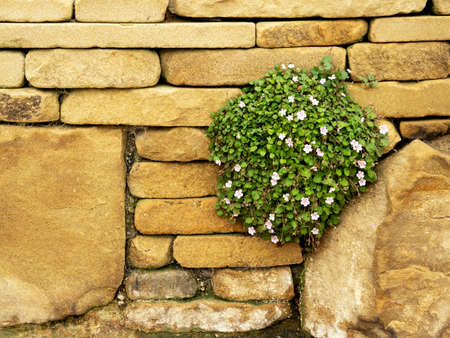
Introduction to Dry Stone Walling in the UK
Dry stone walling is a centuries-old craft that remains a defining feature of the British landscape. Seen zigzagging across rolling hills, enclosing farm fields, and edging country lanes, these walls are constructed without mortar—just skilfully stacked stones, fitted together with care and experience passed down through generations. Their origins in Britain date back thousands of years, with evidence of their use as early as the Neolithic period. Throughout history, dry stone walls have served practical purposes: marking boundaries, managing livestock, and protecting crops from wind. Yet their significance stretches beyond mere function. These walls tell stories of local geology, rural traditions, and the enduring relationship between people and land. Whether standing firm in remote highland moors or weaving quietly through suburban gardens, dry stone walls shape both rural and urban environments, providing not only structure but also a sense of heritage that connects the present to a rich and resilient past.
Traditional Dry Stone Walling Techniques
Dry stone walling is a centuries-old craft in the UK, deeply embedded in rural life and the shaping of the landscape. Unlike modern construction, dry stone walls use no mortar; instead, they rely on the careful placement of stones to create enduring boundaries. At its core, the technique involves selecting stones of varying sizes and shapes, laying them with their longest edge facing into the wall, and ensuring each stone interlocks tightly with its neighbours. This method not only provides strength but also flexibility, allowing the wall to withstand seasonal shifts and ground movement.
Across different regions of the UK, variations in local geology have given rise to distinctive building styles. For example, Cotswold walls are known for their flat limestone pieces laid in level courses, while in Cumbria and Yorkshire, harder stones such as slate or granite are often stacked more irregularly. Builders must adapt their approach according to the available stone and local weather conditions, making experience and an understanding of local materials invaluable.
| Region | Typical Stone Used | Style Characteristics |
|---|---|---|
| Cotswolds | Limestone | Flat, layered courses with vertical coping stones |
| Yorkshire Dales | Sandstone or Limestone | Tall walls with irregularly shaped stones |
| Cumbria | Slate or Granite | Mosaic-like patterns with uneven stones and turf topping |
| Scottish Highlands | Granite or Fieldstone | Thick walls using rounded boulders for stability |
The skill required goes beyond simple stacking; a true dry stone waller knows how to select foundation stones that anchor the structure and how to “heart” the wall—filling gaps inside with smaller pieces for added strength. Sourcing the right stone is vital. Using locally quarried or field-gathered material not only preserves authenticity but also ensures compatibility with the environment, both visually and structurally. In essence, mastering these traditional techniques is as much about respecting local heritage as it is about practical craftsmanship.

3. Heritage and Cultural Importance
Dry stone walling is more than just a practical solution for edging or enclosing land; it is woven deeply into the fabric of the UK’s cultural heritage. These walls, found criss-crossing the countryside from the Cotswolds to Cumbria, tell stories that stretch back hundreds—sometimes thousands—of years. Their very presence is a reflection of how generations have shaped and managed the land, defining boundaries not only between fields but also between communities.
For many rural areas, dry stone walls are as iconic as rolling hills and patchwork meadows. They mark ancient parish lines, enclose livestock, and even serve as windbreaks in exposed landscapes. The skill of building these walls has been passed down through families, often with each region developing its own distinctive style based on local stone and tradition.
The cultural importance of dry stone walling goes beyond their immediate function. They embody a sense of place—a testament to resourcefulness, endurance, and community spirit. In many ways, they are living monuments, quietly chronicling centuries of agricultural practice and social history. Walking along a well-built wall, you can almost hear echoes of past generations who laboured over each carefully chosen stone.
Today, maintaining these structures is about preserving more than just the landscape; it’s about safeguarding a way of life. Programmes to teach traditional dry stone walling skills are thriving in many parts of the UK, helping ensure that this unique craft continues for future generations. Local festivals, competitions, and conservation efforts all highlight just how cherished these walls are within their communities.
In essence, dry stone walling stands as a symbol of continuity—linking present-day Britain with its rural past. Whether serving as edging in gardens or winding through wild moorland, these walls remind us that our connection to the land is both practical and profoundly cultural.
4. Benefits of Using Dry Stone Walls as Edging
Dry stone walling as edging in gardens and along pathways is not just a nod to British tradition—it comes with practical advantages that suit both rural and urban settings. Here’s a closer look at why so many seasoned gardeners and landscape designers in the UK favour this timeless method.
Durability That Stands the Test of Time
Unlike modern alternatives such as timber or plastic, dry stone walls are renowned for their resilience. Properly constructed, they can last for decades—if not centuries—without significant deterioration. Their flexible structure allows them to withstand ground movement and harsh weather without crumbling, a true benefit in our often unpredictable British climate.
A Haven for Wildlife
One of the most charming aspects of dry stone walls is their value to local wildlife. The gaps and crevices provide safe havens for insects, amphibians, small mammals, and even birds. In effect, your garden edging becomes a living ecosystem, contributing positively to the UK’s rich biodiversity.
Low Maintenance Appeal
The beauty of dry stone wall edging lies in its minimal upkeep. Unlike hedges that require regular trimming or wooden borders prone to rot, these walls demand little attention once built. Occasional checks for loose stones usually suffice, making them perfect for those who appreciate a tidy look without constant fuss.
Comparison Table: Dry Stone Wall Edging vs Other Common Edging Materials
| Aspect | Dry Stone Wall | Timber | Plastic |
|---|---|---|---|
| Durability | High (decades/centuries) | Moderate (5-10 years) | Low (can become brittle) |
| Maintenance | Very Low | Medium (needs treatment/replacement) | Low (but may need replacing often) |
| Wildlife Friendly | Excellent | Poor | Poor |
| Aesthetic Value | Traditional/Natural | Rustic/Varies | Synthetic/Functional |
| Sustainability | Very High (natural & local materials) | Variable (treated wood often imported) | Poor (petroleum-based) |
A True Fit for British Gardens and Paths
There’s something quintessentially British about wandering past an old stone boundary on a misty morning. Beyond nostalgia, though, dry stone walling is a practical solution that blends seamlessly with the landscape. Whether edging winding paths through cottage gardens or demarcating formal beds in more contemporary spaces, these walls offer enduring value with minimal intervention—just as our forebears intended.
5. Modern Applications and Conservation
While dry stone walling is steeped in history, its relevance in modern Britain remains as strong as ever. Today, these ancient techniques are being revived not only for their aesthetic appeal but also for their practical benefits in landscaping and conservation. Across the UK, you’ll find new dry stone walls edging gardens, parks, and even urban spaces—offering a nod to heritage while serving contemporary needs. This resurgence is fuelled by a growing appreciation for sustainable materials and traditional craftsmanship, values that have long been cherished in British culture.
Heritage Meets Modern Landscaping
Dry stone walling has found new life as a method of edging flower beds, defining pathways, and creating boundaries within both public and private landscapes. Designers and gardeners now choose these walls not just for their rustic charm but for their ecological advantages—allowing wildlife passage and supporting local flora. Many local authorities encourage the use of dry stone walling in community projects to blend new developments with historic surroundings, maintaining that quintessentially British look.
Conservation Initiatives
The tradition of dry stone walling is actively safeguarded by numerous conservation groups. Organisations such as the Dry Stone Walling Association (DSWA) play a crucial role in promoting best practices, offering advice on repair and maintenance, and setting standards to ensure quality workmanship. National Trust properties across England, Wales, and Scotland frequently incorporate dry stone walls into restoration projects, recognising their cultural significance and environmental value.
Training the Next Generation
Keeping the craft alive depends on passing skills from one generation to the next. The DSWA runs accredited training schemes open to all ages—from school leavers keen on rural trades to older folk looking to reconnect with hands-on heritage skills. These courses cover everything from basic construction to advanced techniques for complex features like curves or steps. In some regions, apprenticeships and community workshops provide practical experience under the guidance of seasoned wallers—a true testament to the “learning by doing” approach favoured in British tradition.
Supporting Local Economies
By investing in training and conservation, communities help sustain local economies. Skilled wallers are in demand not only for restoration work but also for new builds that require a touch of authenticity. Whether it’s a garden border or a boundary along a country lane, employing traditional methods supports rural employment and preserves the unique character of Britain’s landscapes.
In sum, modern applications of dry stone walling as edging seamlessly weave together heritage and innovation. With robust support from dedicated organisations and enthusiastic learners alike, this venerable craft continues to shape the UK’s scenery—bridging past wisdom with present needs.
6. Tips and Considerations for DIY Dry Stone Edging
Building your own dry stone edging is both a rewarding and demanding task, tying you to centuries of British tradition while enhancing your garden’s charm. Before you don your gloves, it’s wise to reflect on a few essential tips and considerations that can make all the difference between a lasting feature and a quickly crumbling wall.
Choosing the Right Stone
Your project’s success starts with selecting suitable stones. Traditionally, local stone is preferred—not just for authenticity, but because it blends best with the surrounding landscape. In the Cotswolds, honey-coloured limestone is common, while slate prevails in Wales and granite in Cornwall. Visit a local quarry or reputable supplier to source material that echoes the heritage of your region.
Learning the Craft
If you’re new to dry stone walling, consider joining a course run by organisations like The Dry Stone Walling Association (DSWA) or attending community workshops often hosted across the UK. These sessions are invaluable for learning not only technique but also about reading the ‘personality’ of each stone—an art passed down through generations. Don’t underestimate the value of watching experienced hands at work; there’s wisdom in observing how others tackle tricky corners and uneven ground.
Safety First
Dry stone work can be surprisingly physical. Always wear sturdy boots and gloves, and use goggles when splitting or shaping stones. If lifting heavy stones, mind your back—bend your knees, not your waist—and never hesitate to ask for help if a stone looks too hefty to handle alone. Remember that uneven surfaces can be hazardous; take extra care during wet weather when footing may be slippery.
Maintenance Matters
A well-built dry stone edge should last decades with minimal attention, but it pays to walk your boundary once or twice a year. Look for any signs of movement or gaps caused by frost heave or burrowing wildlife. Often, minor repairs can be made by simply repositioning dislodged stones—no mortar means flexibility and ease of maintenance.
Further Resources
For those eager to deepen their knowledge, the DSWA offers books, videos, and even certification schemes. Local heritage centres and National Trust properties frequently have demonstration sites where you can study historic examples up close. Above all, remember: patience and respect for tradition are as vital as skill when working with dry stone in any British garden.