Defining the Formal English Garden
The formal English garden is a timeless symbol of elegance and order. Rooted in centuries-old traditions, these gardens first gained prominence in the grand estates of Britain during the 17th and 18th centuries. Inspired by classical ideals from ancient Rome and Renaissance Italy, they were designed to reflect harmony, balance, and control over nature. Geometric layouts, symmetrical planting beds, and neatly clipped hedges are all hallmarks of this style. Pathways often radiate from central points, guiding visitors through carefully curated vistas. The use of focal points—such as statues, urns, or water features—adds visual interest and anchors the space. Above all, the formal English garden is characterised by its structure; every element is intentional, contributing to a sense of calm and refinement that has come to define British garden design.
2. The Role of Hedges and Topiary
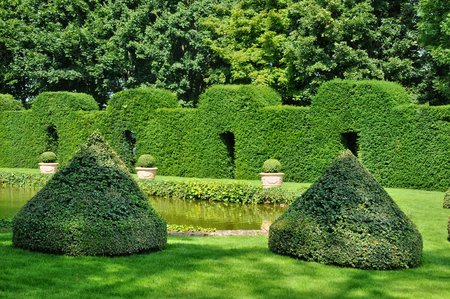
In the formal English garden, clipped hedges and sculpted topiary are essential tools for creating structure and definition. These living architectural elements help organise outdoor spaces, acting as natural walls and borders that guide movement and frame views. Whether forming crisp lines along pathways or enclosing tranquil garden rooms, hedges provide a sense of order and enclosure. Topiary, on the other hand, introduces an element of artistry—shapes like spheres, cones, and even animal forms bring a playful yet disciplined character to the landscape.
Outlining Spaces
Hedges are commonly used to outline distinct areas within the garden. By marking boundaries, they separate different zones for relaxation, entertaining, or contemplation while maintaining visual harmony. This clear structure is a hallmark of British formal gardens, where every space has its purpose.
Creating Symmetry
Symmetry is at the heart of formal English garden design. Paired hedges and matching topiary shapes placed on either side of walkways or entrances reinforce balance and order. This approach draws the eye naturally along central axes, enhancing the sense of grandeur and calm.
Living Architectural Elements
Both hedges and topiary serve as more than mere decoration; they are integral components of the garden’s architecture. Their evergreen foliage ensures year-round interest and permanence, echoing the stonework and structures often found in traditional British gardens.
Key Functions of Hedges and Topiary
| Feature | Main Purpose | Common Plants Used |
|---|---|---|
| Clipped Hedges | Create boundaries, define paths, enclose rooms | Yew (Taxus baccata), Box (Buxus sempervirens) |
| Sculpted Topiary | Add focal points, introduce symmetry, provide visual interest | Box (Buxus), Holly (Ilex), Privet (Ligustrum) |
This structured use of plants is what distinguishes the formal English garden from more relaxed styles, lending it elegance and timeless appeal.
3. Pathways and Walkways
In the formal English garden, pathways and walkways play a vital role in creating both structure and elegance. Traditionally, these paths are carefully planned to guide visitors through the space, encouraging a sense of discovery while maintaining order. The materials used—such as gravel, brick, stone, or compacted earth—are chosen not only for their practicality but also for their aesthetic harmony with the surrounding landscape. Straight or gently curving paths often lead the eye towards focal points like fountains, statues, or well-clipped hedges, reinforcing symmetry and balance. Edged with low box hedging or bricks laid in herringbone patterns, the walkways define different garden areas and invite exploration without disrupting the overall design. In this way, English garden paths are more than mere routes; they create rhythm, emphasise geometry, and help shape the character of the entire garden.
4. Garden Rooms and Boundaries
One of the defining features of a formal English garden is the use of boundaries to create a sense of order, intimacy, and discovery. The concept of garden rooms is central to this approach. By dividing outdoor spaces into distinct sections using walls, hedges, and borders, each area takes on its own character and purpose while contributing to the overall unity of the garden.
Creating Distinct Garden Rooms
Garden rooms allow you to organise different functions within your garden—such as entertaining, relaxing, or growing herbs—while maintaining a cohesive design. Traditional materials like brick walls or yew hedges are often used in English gardens to subtly separate these spaces without losing their connection. Each room can be tailored with unique planting schemes or focal points, such as a sundial or bench, to invite exploration and enjoyment.
Common Elements for Boundaries
| Boundary Type | Materials | Typical Use in English Gardens |
|---|---|---|
| Walls | Brick, stone, flint | Create privacy, support climbing plants, define structure |
| Hedges | Yew, boxwood, hornbeam | Soft boundaries, evergreen structure, wildlife habitat |
| Borders | Mixed perennial beds, lavender edges | Add colour and texture while guiding movement through spaces |
Design Tips for Effective Garden Rooms
- Layering: Use taller boundaries for privacy and shorter ones for gentle separation.
- Entrances: Arched gateways or openings between rooms add a sense of invitation and anticipation.
- Cohesion: Maintain consistency in materials or planting styles for harmony across different rooms.
- Pacing: Arrange rooms so that each new space offers a fresh perspective or experience.
The artful use of garden rooms and boundaries brings both practicality and beauty to the formal English garden. This structured layout not only maximises usable space but also encourages a slower, more thoughtful journey through the landscape.
5. Focal Points and Ornamentation
In the formal English garden, the strategic placement of focal points and ornamental features is essential to creating a sense of order and delight. Statues, urns, fountains, and architectural follies are not simply decorative—they serve as visual anchors that draw the eye through structured spaces and add rhythm to the landscape. The positioning of a classical statue at the end of an avenue or path provides a sense of destination, while a well-chosen urn placed at a crossing point brings elegance and clarity to the geometry of intersecting walkways.
Fountains are particularly cherished in English gardens for their calming sound and ability to reflect light, often forming the heart of a parterre or courtyard. Their symmetrical placement reinforces balance, while their movement introduces a dynamic contrast to clipped hedges and orderly lawns. Architectural follies—such as miniature temples, obelisks, or gothic arches—offer moments of surprise and whimsy within a disciplined setting, encouraging exploration and curiosity.
Each ornamental element should be selected with care, complementing both the scale of the garden and the architectural style of the home. The use of materials like weathered stone or lead ensures these pieces blend naturally into their surroundings, acquiring character over time. Thoughtfully curated ornamentation in a formal English garden does more than embellish; it creates punctuation marks in the landscape, guiding visitors on a journey and highlighting the artistry behind each carefully planned vista.
6. Planting Schemes for Structure
Structured Plantings: The Backbone of Formality
In the formal English garden, planting schemes are carefully chosen to emphasise structure and maintain a sense of order throughout the year. Hedges, clipped shrubs, and evergreen topiary provide a strong framework, ensuring that the garden retains its character even during the winter months. Yew, box (Buxus), and holly are classic choices for creating crisp lines and geometric forms, which reinforce the formal layout of paths and parterres.
Seasonal Displays for Continuous Interest
To keep the garden engaging through every season, structured planting beds are often underplanted with seasonal displays. In spring, bulbs such as tulips and daffodils bring bursts of colour among evergreen shapes. Summer borders might feature lavender, alliums, or neatly arranged annuals, complementing the formality of the permanent planting. In autumn and winter, evergreen foliage and ornamental grasses maintain interest while respecting the overall structure.
Layering for Depth and Texture
Formal gardens achieve richness by layering plants in height and texture. Taller evergreens act as screens or focal points, while mid-height perennials add softness without disrupting the underlying geometry. Low-growing ground covers or clipped herbs like thyme fill gaps neatly along pathways or within knot gardens, providing a tidy appearance that supports the formal design ethos.
Balancing Repetition and Variety
Repetition is key in formal planting schemes—using the same plant species or shapes at intervals creates visual harmony and rhythm. However, a limited palette does not mean monotony; subtle variations in leaf colour, flower type, or growth habit can be introduced to add depth while maintaining discipline. This careful balance ensures that the garden remains both structured and visually appealing throughout the year.