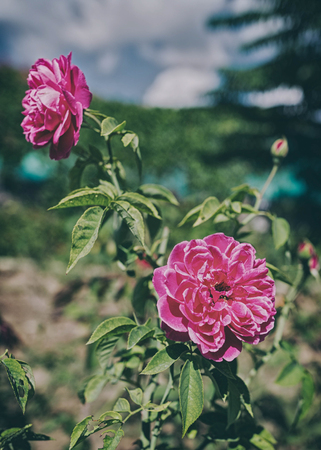
Introduction to Organic Rose Gardening in the British Isles
The art of rose gardening has long been cherished across the British Isles, where gardens burst into life each summer with the scent and colour of countless blooms. Yet, amidst the gentle rains and occasional mists, cultivating roses can be both a delight and a challenge. Here, choosing organic and eco-friendly methods is not just a modern trend—it’s a way to honour the unique climate, rich soils, and deep-rooted gardening traditions of Britain. Embracing these natural approaches helps protect local wildlife, nurtures healthy soil for future generations, and ensures that our cherished roses thrive without harsh chemicals. As families gather to tend their gardens, passing down stories and skills from one generation to the next, organic rose cultivation becomes a shared journey—one inspired by nature and grounded in respect for the land. By weaving together tradition and sustainability, we can nurture gardens that are as good for the earth as they are beautiful for the soul.
2. Selecting the Right Rose Varieties for Local Conditions
Choosing the ideal rose varieties is a delightful first step in cultivating a thriving, organic garden here in the British Isles. Our unpredictable weather, unique soil types, and cherished garden traditions all play a part in finding roses that will flourish without excessive intervention. Whether you’re planting with your children or tending beds together as a family, selecting roses adapted to our environment ensures success while honouring classic English rose heritage.
Understanding British Weather and Its Impact
The British climate—characterised by mild summers, damp winters, and frequent rain—demands robust rose varieties. Look for disease-resistant cultivars that can tolerate wet foliage and variable temperatures. Old English roses, shrub roses, and modern David Austin varieties are well-regarded for their resilience and romantic blooms.
Matching Rose Varieties to Soil Types
Soil health is at the heart of organic gardening. Roses prefer well-drained loam but many can adapt with care. Here’s a simple guide to help you match popular rose types to your local soil:
| Soil Type | Suitable Rose Varieties | Notes |
|---|---|---|
| Clay | Rugosa, Hybrid Musk | Add organic matter; excellent moisture retention |
| Loam | Most English Roses, Floribunda | Ideal for most roses; easy maintenance |
| Sandy | Species Roses (e.g., Rosa pimpinellifolia) | Improve with compost; drought-tolerant choices |
| Chalky/Alkaline | Alba, Gallica, Damask | Select lime-tolerant varieties; mulch annually |
Considering Garden Settings and Heritage Choices
Think about where your roses will grow best: sunny borders, against walls, or in containers? Classic English climbing roses like ‘Gertrude Jekyll’ or shrub roses such as ‘Queen of Sweden’ are perfect for cottage gardens or formal settings. For family gardens where little hands may explore, opt for thornless or less prickly varieties like ‘Zephirine Drouhin’. Each choice connects us to centuries of British gardening tradition while encouraging eco-friendly stewardship.
3. Soil Preparation and Natural Amendments
If you want your roses to thrive in the gentle climate of the British Isles, it all begins beneath your feet—with healthy, living soil. Much like nurturing a curious child, creating a fertile home for your roses requires patience, care, and a bit of know-how. Let’s explore some cherished organic and eco-friendly techniques beloved by UK gardeners.
Composting: Nature’s Recycling System
Start with homemade compost—a staple in British gardens. Composting kitchen scraps, grass clippings, and autumn leaves transforms waste into a nutrient-rich feast for your rose roots. Encourage your little ones to help collect peelings or turn the heap; it’s a hands-on way to teach both environmental awareness and the magic of transformation. Mature compost not only feeds your plants but also attracts helpful earthworms, who become garden friends working quietly underground.
Mulching: A Cosy Blanket for Your Roses
Mulching is like tucking your roses in with a snug blanket. Spread well-rotted manure, leaf mould, or chipped bark around your bushes each spring. This helps retain precious moisture during dry spells—a true British concern—and keeps weeds at bay without resorting to harsh chemicals. Mulching also gently enriches the soil as it breaks down, offering slow-release nutrients and encouraging beneficial soil life.
Natural Fertilisers: Gentle Boosts for British Blooms
Skip synthetic fertilisers in favour of natural alternatives that have stood the test of time in UK gardens. Fish, blood and bone meal is a classic choice, providing balanced nourishment for strong growth and vibrant blooms. For an eco-friendly boost mid-season, try comfrey tea or nettle tea—both are rich in potassium and easy to brew at home (though you may want to warn youngsters about the pungent aroma!). These gentle feeds encourage abundant flowering while respecting local wildlife and waterways.
Tip from the Allotment
If you’re gardening with children, let them help sprinkle compost or spread mulch—it’s messy fun with lasting rewards! Watching worms wriggle through rich soil can spark curiosity about nature’s hidden helpers.
Embracing the Organic Way
Nurturing healthy soil organically not only grows robust roses but also teaches our families to care for the land we call home. By embracing these time-honoured methods, you’ll be cultivating more than flowers—you’ll be sowing seeds of stewardship for generations to come.
4. Eco-Friendly Pest and Disease Management
When tending to your beloved roses in the British Isles, it’s only natural to want to protect them without resorting to harsh chemicals that can harm local wildlife or curious little hands. Fortunately, there are plenty of organic and eco-friendly ways to keep pests and diseases at bay, allowing your family and nature to thrive side by side.
Natural Predators: Inviting Garden Friends
One of the most enchanting ways to manage pests is by inviting helpful creatures into your garden. Ladybirds (ladybugs), lacewings, and birds love feasting on aphids and other rose-munching insects. Encourage these friendly predators by planting wildflowers nearby or providing small bug hotels for shelter. Children will delight in spotting these tiny allies at work!
Physical Barriers: Gentle Protection
If you’re keen to prevent damage before it starts, simple barriers can be very effective. Use fine mesh netting over young rose plants during peak pest seasons or place copper tape around pots to deter slugs and snails. Mulching with straw or wood chips not only conserves moisture but also makes it trickier for crawling pests to reach your roses’ tender stems.
Homemade Remedies: Kitchen Cupboard Solutions
You might be surprised at how many pest problems can be solved with ingredients found right in your kitchen. Here’s a handy table of common issues and gentle homemade treatments you can try as a family project:
| Pest/Disease | Natural Remedy |
|---|---|
| Aphids | Mild soapy water spray (1 tsp mild liquid soap per litre of water) |
| Black Spot | Baking soda solution (1 tbsp baking soda, 1 tsp oil, 1 tsp soap in 1 litre water) |
| Powdery Mildew | Milk spray (mix 1 part milk with 2 parts water, spray weekly) |
| Slugs & Snails | Coffee grounds sprinkled at base of plant or crushed eggshell barrier |
Mindful Monitoring: Prevention is Key
The best way to manage rose health is regular inspection. Show your children how to look under leaves for signs of trouble and remove affected foliage promptly. By catching problems early, you’ll reduce the need for intervention later.
Embracing Patience and Balance
A few nibbled leaves are a sign that your garden is part of a wider ecosystem. By working with nature and involving the whole family in gentle pest management, you nurture both your roses and a lifelong respect for the living world around you.
5. Watering and Conserving Resources
In the ever-changing weather of the British Isles, ensuring roses receive just the right amount of water can feel like a delicate dance—one that invites both parent and child to listen closely to nature’s cues. Embracing organic and eco-friendly practices, we can nurture our rose gardens while being mindful of precious resources.
Practical Watering for Britain’s Climate
The British climate, with its unpredictable showers and dry spells, calls for thoughtful watering routines. Instead of daily drenching, encourage your little gardeners to check the soil with their fingers: if it feels dry a couple of inches down, it’s time to water. Early mornings or late afternoons are best, reducing evaporation and allowing roots to soak up moisture. Consider using a watering can rather than a hose—it’s gentler on the blooms and teaches children about careful water use.
Rainwater Harvesting: A Timeless Tradition
Collecting rainwater is both eco-friendly and rooted in British gardening tradition. Installing a water butt beneath your downpipe captures rainfall that would otherwise run away. Let children help with this simple system—they’ll delight in seeing how much water nature provides for free! Rainwater is softer and kinder to roses than tap water, especially in areas where hard water is common.
Mulching for Moisture Retention
Organic mulches such as well-rotted compost, leaf mould, or even grass clippings help keep precious moisture in the soil while suppressing weeds. Together with your young helpers, spread mulch around the base of each rose bush, leaving a little space at the stem to prevent rot. Not only does this conserve water, but it also improves soil health over time—a gentle lesson from the garden on working with nature, not against it.
By adopting these simple practices—harvesting rainwater, mulching generously, and watering mindfully—we teach our children respect for natural resources. In return, our roses reward us with vibrant blooms, thriving as part of an ecosystem that values every drop.
6. Encouraging Wildlife and Biodiversity
One of the greatest joys of nurturing roses organically in the British Isles is welcoming the gentle hum of bees, the fluttering wings of butterflies, and the cheerful song of garden birds. By encouraging wildlife and fostering biodiversity, you’re not only supporting a thriving ecosystem but also inviting nature’s helpers to keep your rose garden healthy and resilient.
Inviting Beneficial Insects
Ladybirds, lacewings, and hoverflies are natural allies against aphids and other pests. Consider planting nectar-rich companion flowers like lavender, marigold, or foxglove near your roses. These blooms attract beneficial insects who will feast on unwanted pests while pollinating your roses. Avoid using pesticides, as even organic sprays can disrupt this delicate balance.
Welcoming Bees and Butterflies
The British countryside is famous for its buzzing bees and vibrant butterflies—both essential pollinators for roses. To draw them in, choose single-flowered rose varieties with open centres that make it easier for pollinators to access nectar and pollen. Let some wildflowers grow nearby or sow native species such as oxeye daisies, cowslips, or red clover at the borders of your rose beds to create a colourful buffet throughout the growing season.
Attracting Birds to Your Garden
Birds play a vital role in managing garden pests while adding lively energy to your outdoor space. Encourage them by providing nesting boxes tucked away in hedges or trees and keeping bird feeders stocked with seeds, nuts, and suet balls year-round. A shallow birdbath offers a welcome drink and bath for feathered visitors after their busy rounds amongst the roses.
Creating Habitats for Diversity
Leave small piles of logs or stones in quiet corners to offer shelter for beetles, hedgehogs, and frogs—all valuable contributors to organic pest control. Even a modest pond can become home to dragonflies and amphibians who will reward you by preying on garden pests. Remember, a tidy garden isn’t always best; a little wildness encourages nature’s wonders to flourish.
Family Activities: Nature Spotting Together
Turn wildlife encouragement into an interactive family adventure! Make a weekly list of visiting insects or birds spotted among your roses. Create bug hotels from bamboo tubes or recycled materials together with your children. These simple acts not only deepen your connection to the garden but also nurture respect for every creature that calls your rose patch home.
By championing biodiversity through organic and eco-friendly gardening methods, you’re weaving your rose garden into the living tapestry of the British Isles—a space where plants, people, and wildlife grow together in harmony.
7. The Joys of Sustainable Rose Gardening
There’s something truly magical about gathering as a family in the garden, hands nestled in the earth, surrounded by the gentle fragrance of English roses. In the British Isles, sustainable rose gardening is more than a method—it’s a cherished tradition that connects generations. Passing down tips for making your own compost or sharing stories of beloved rose varieties nurtures a sense of belonging and continuity. As parents and children work side by side, observing ladybirds dance among leaves or listening to blackbirds sing at dusk, these simple pleasures become treasured memories.
The eco-friendly approach not only safeguards our local wildlife and precious soils, but also deepens our connection to the landscape. Choosing organic feeds and natural pest controls allows us to care for both our plants and the environment, ensuring our gardens are safe havens for bees, butterflies, and hedgehogs alike. There’s a quiet satisfaction in knowing each bloom has been grown with respect for nature’s balance—a feeling as warming as a cup of tea on a rainy afternoon.
Cultivating roses the sustainable way invites us to slow down and savour the small wonders: the first unfurling bud after winter’s chill, or the burst of colour after a summer shower. It encourages mindfulness and togetherness, teaching little ones patience and resilience through every season. Ultimately, organic rose gardening in Britain isn’t just about beautiful flowers; it’s about nurturing roots—both botanical and familial—that will flourish for generations to come.